
Eye health is becoming a top concern in 2026 as more people in Ontario spend hours on screens and the population gets older. The clinic optical landscape is changing, with new technologies and shifting patient expectations shaping how care is delivered. As choices expand, it is essential to have reliable, current guidance when deciding on clinic optical services and understanding what is available. This article will cover clinic optical essentials, regulatory updates, technology trends, service offerings, and expert insights for both patients and providers in Ontario.
Understanding Optical Clinics in 2026: Roles and Services
The role of a clinic optical in Ontario continues to expand, meeting the evolving needs of residents in Oshawa and across the province. Today’s clinics offer a wide range of services that go beyond vision correction, focusing on eye health, preventative care, and patient comfort.
Definition and Scope of Optical Clinics
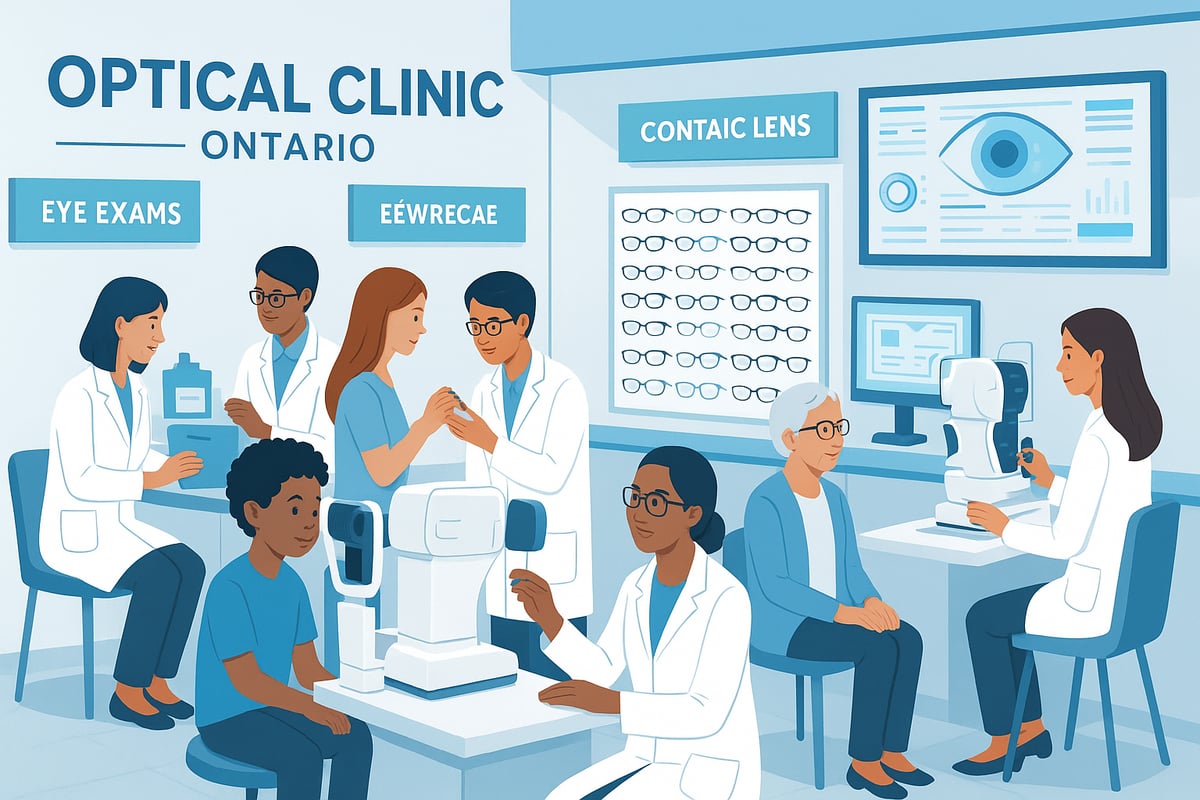
A clinic optical in Ontario is a regulated healthcare facility providing a spectrum of vision care services. These facilities may be run by optometrists, ophthalmologists, or licensed opticians, each with distinct scopes of practice.
Optometry clinics focus on eye exams, vision correction, and primary eye health management. Ophthalmology practices handle medical and surgical treatment of eye diseases. Optical dispensaries specialize in eyewear dispensing and adjustments. Most modern clinic optical locations offer integrated care, combining these roles under one roof.
Services typically include comprehensive eye exams, contact lens fittings, eyewear sales, and management of common eye conditions.
Comprehensive Eye Exams: What to Expect
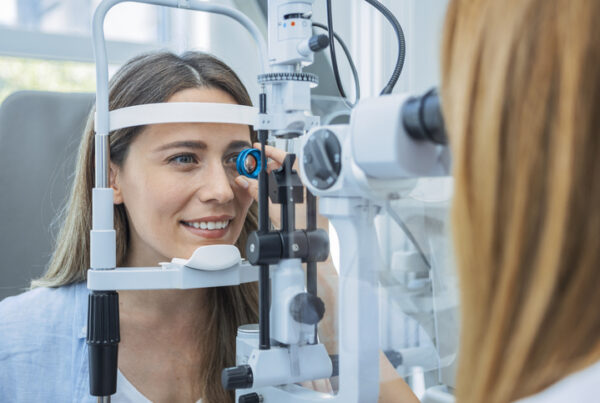
At a clinic optical, comprehensive eye exams form the foundation of patient care. Adults and children undergo step-by-step assessments tailored to their age and health needs.
During an exam, you may experience vision screening, refraction for glasses or contacts, and ocular health evaluations. Tools like the autorefractor measure how light changes as it enters your eye, while the tonometer checks eye pressure. Many clinics also use digital retinal imaging for detailed health checks.
Regular exams are vital for detecting conditions early. For a detailed walkthrough, see What to Expect in a Comprehensive Eye Exam.
Contact Lens Services and Fittings
Clinic optical services in 2026 include a diverse range of contact lens options, such as daily disposables, toric lenses for astigmatism, and specialty lenses for complex prescriptions.
The fitting process is thorough. Patients first try lenses under supervision to ensure comfort and vision clarity. Education on lens care and hygiene is standard, as Health Canada regulations require clinics to provide safety information.
Clinic optical professionals assess corneal health and ensure lenses are suitable for each individual. Proper fitting reduces the risk of complications and enhances daily wear.
Eyewear Solutions: Frames and Lenses
Eyewear selection at a clinic optical is both a health and lifestyle decision. Patients can choose from a variety of frames, including lightweight materials or hypoallergenic options.
Lens choices include blue light filtering, progressive lenses for multifocal needs, and adaptive lenses that adjust to light conditions. Trends in 2026 highlight both functional and fashionable eyewear.
To assist different age groups, clinic optical staff recommend frames and lenses based on face shape, prescription, and visual demands. Guidance ensures patients find solutions that meet both comfort and style preferences.
Specialized Services: Myopia Control, Dry Eye Management, and More
Many clinic optical locations now offer specialized care beyond routine exams. Myopia management, using interventions like MiYOSMART lenses, helps slow the progression of nearsightedness in children.
Dry eye assessments employ tear film analysis and targeted treatments, including in-office therapies and prescription drops. Visual field testing is available for patients requiring certification for driving or certain occupations.
By providing a broad range of services, a clinic optical supports the ongoing eye health of all community members, from children to seniors.
Regulatory and Insurance Considerations in Ontario
Navigating the regulatory and insurance environment for clinic optical services in Ontario is essential for both patients and providers. Understanding the legal framework, coverage options, privacy protections, and accessibility standards sets the foundation for trust and quality care. Each factor plays a critical role in the delivery of eye care across Oshawa and the wider Durham region.
Health Canada and Ontario Regulatory Framework
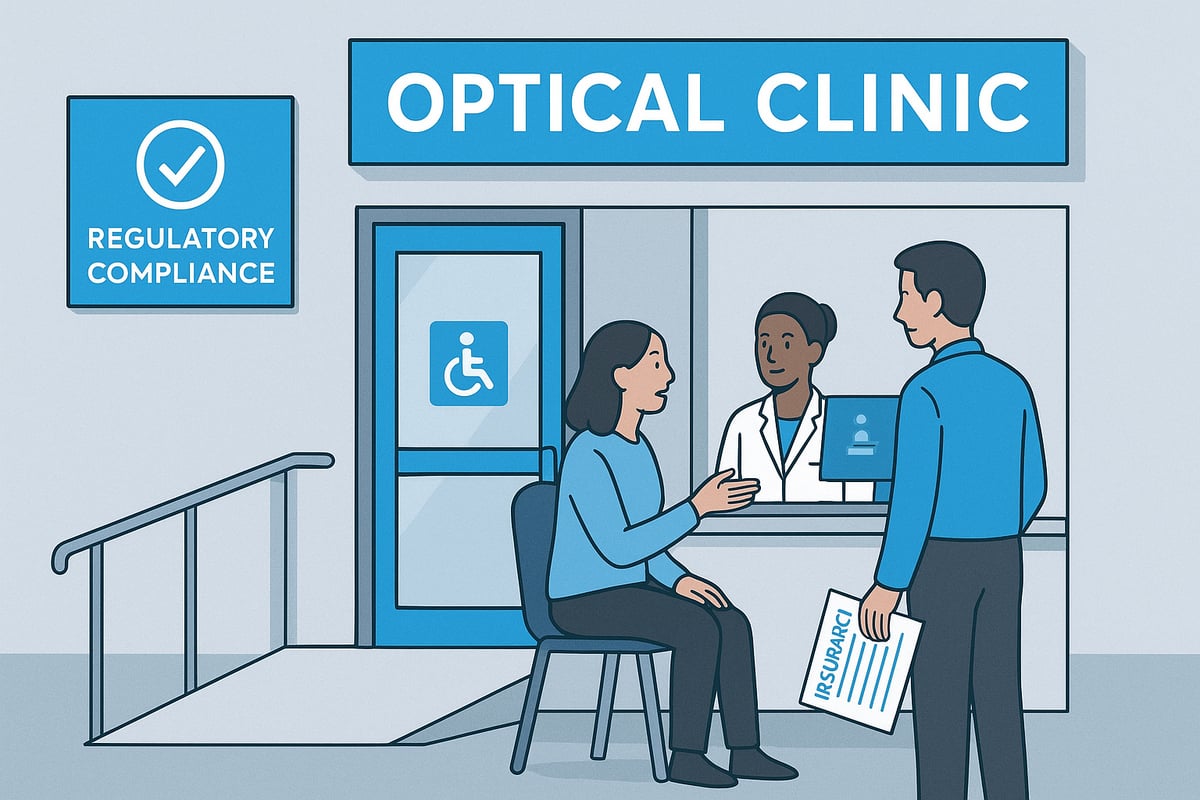
Clinic optical establishments in Ontario operate within a strict regulatory framework. Health Canada oversees the approval of medical devices and ensures that all diagnostic tools used in clinics meet national safety standards. Additionally, the College of Optometrists of Ontario licenses optometrists and sets professional standards for practice.
Optometry clinics, ophthalmology practices, and optical dispensaries each follow specific provincial guidelines. Licensing ensures that every clinic optical location employs qualified professionals and maintains up-to-date protocols for patient safety. Regular inspections and adherence to the Regulated Health Professions Act further support a high standard of care.
OHIP Coverage: What Patients Need to Know
Understanding insurance coverage is key when accessing clinic optical services. The Ontario Health Insurance Plan (OHIP) covers annual eye exams for children (0-19 years), seniors (65+), and adults with certain medical conditions such as diabetes or glaucoma. Other adults may require private insurance or pay out-of-pocket for routine exams.
The table below summarizes OHIP coverage for eye exams:
| Age Group | OHIP Coverage |
|---|---|
| 0-19 years | Covered annually |
| 20-64 years | Covered for specific conditions |
| 65+ years | Covered annually |
For a detailed guide, visit OHIP Coverage for Eye Exams. Patients should check with their clinic optical provider about direct billing and additional vision insurance options.
Privacy, Data Protection, and Patient Rights
Privacy is a cornerstone of clinic optical care in Ontario. Clinics must comply with the Personal Health Information Protection Act (PHIPA), which governs the collection, use, and disclosure of patient information. Patients have the right to access their records, request corrections, and understand how their data is used.
Consent is required before collecting health information, and clinics must store all records securely. Staff receive training on privacy protocols to maintain the confidentiality of every clinic optical visit. Transparent communication about privacy helps build trust between patients and providers.
Accessibility and Inclusivity in Eye Care
Clinic optical environments in Ontario must meet accessibility standards under the Accessibility for Ontarians with Disabilities Act (AODA). This includes:
- Step-free entrances and ramps for mobility devices
- Accessible washrooms and exam rooms
- Clear signage and wayfinding for low-vision patients
Many clinics offer services in multiple languages and provide culturally sensitive care to serve a diverse community. Pediatric-friendly spaces and supports for seniors ensure that everyone can access quality eye care. These efforts reflect the commitment of the clinic optical field to inclusivity and equitable service for all.
Technology and Innovation in Optical Clinics
Technology is reshaping every clinic optical experience in Ontario. From advanced diagnostic tools to digital conveniences, innovation is at the heart of modern eye care. Each new development supports both patients and providers, making it crucial to understand how these changes impact the way clinics deliver care.
Diagnostic Advancements: Imaging and Screening
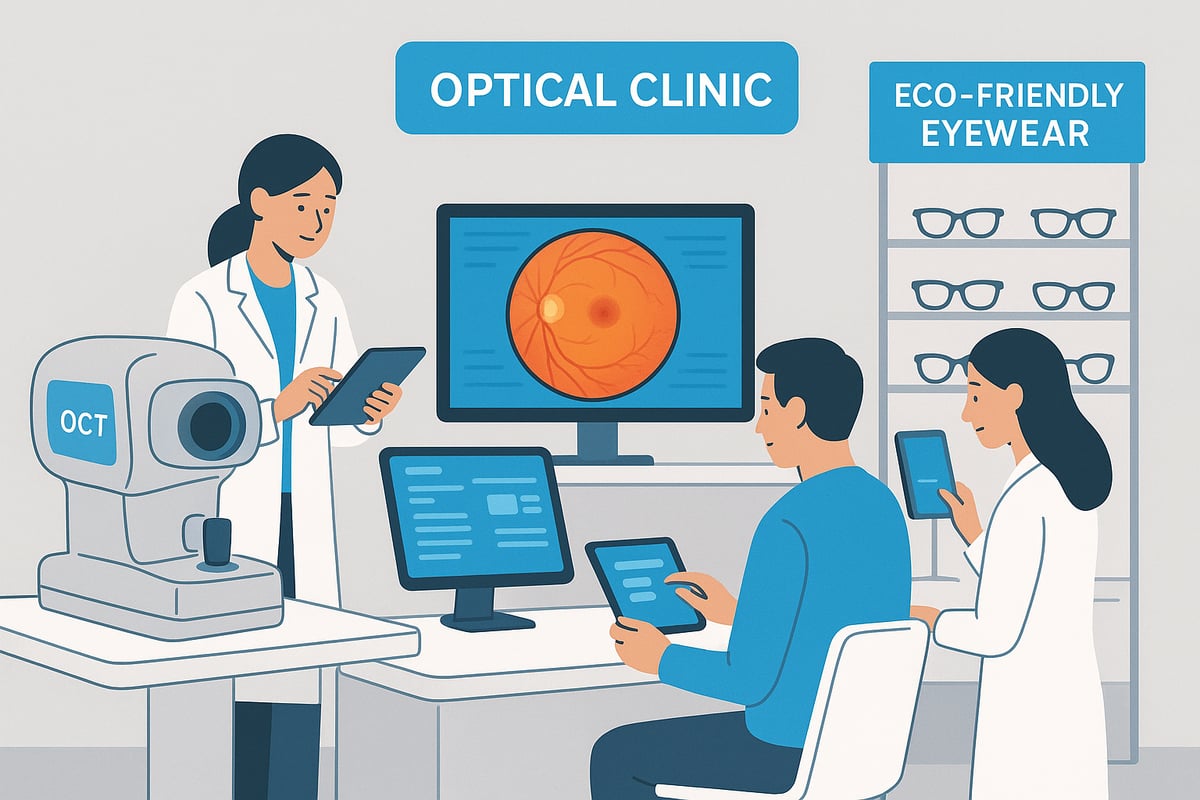
One of the most significant innovations in clinic optical settings is the use of high-resolution imaging. Tools such as Optical Coherence Tomography (OCT) and retinal cameras now allow clinicians to visualize the retina and optic nerve in remarkable detail. These devices help detect early signs of glaucoma, macular degeneration, and diabetic retinopathy.
Ontario clinics increasingly rely on OCT scans for comprehensive assessments. For a deeper look at how this technology is integrated into daily practice, see How OCT Has Transformed Eye Care.
The clinic optical environment benefits from these advancements by supporting early intervention and more precise monitoring. Patients can expect a more thorough and comfortable diagnostic process during their visit.
Digital Patient Experience: Booking, Records, and Communication
Digital transformation has streamlined many aspects of the clinic optical journey. Online booking systems let patients schedule appointments quickly, reducing wait times and administrative burden. Secure digital health records mean that patient history and exam results are accessible to both providers and patients at any time.
Clinic optical staff also use encrypted messaging platforms to share updates or reminders, supporting clear and confidential communication. These innovations help clinics run efficiently while enhancing the overall experience for families and individuals.
Advances in Lenses and Eyewear Materials
Materials used in clinic optical settings have evolved rapidly. Lightweight, impact-resistant lenses and flexible frame designs are now standard. Blue light filtering technology is widely available to help manage digital eye strain, which is increasingly relevant due to screen exposure.
Clinic optical professionals offer adaptive lenses that adjust to lighting conditions and progressive lenses for multifocal needs. Patients can explore options that meet both their visual and fashion preferences, with guidance on what suits their lifestyle and age group.
Tele-optometry and Remote Consultations
Tele-optometry is making eye care more accessible, especially in rural and remote communities. Patients can connect with a clinic optical provider through secure video platforms for some consultations, prescription renewals, and follow-ups.
While not all assessments can be completed remotely, tele-optometry helps bridge gaps in service. Ontario regulations require that remote services maintain the same privacy and quality standards as in-person visits, ensuring patient safety at every step.
Sustainability and Eco-friendly Practices
Many clinic optical locations are prioritizing sustainability. Eco-conscious eyewear, such as frames made from recycled plastics or biodegradable materials, are becoming more common. Clinics are also adopting greener practices, like digital paperwork and energy-efficient lighting, to reduce their environmental footprint.
Patients are encouraged to ask about sustainable options when visiting a clinic optical provider. These initiatives reflect a growing commitment to both community health and environmental responsibility.
Patient-Centric Care: What to Look for in a Clinic
When selecting a clinic optical provider in Ontario, focusing on patient-centric care ensures that every individual receives services tailored to their needs. A patient-centered approach means clinics prioritize your comfort, communication, and overall experience. The following sections outline key elements to consider when choosing a clinic optical practice for yourself or your family.
Personalized Eye Care and Family Services
A reputable clinic optical practice emphasizes personalized care. This involves developing individualized treatment plans that address unique vision needs for every age group. Pediatric services focus on early detection and management of visual issues, while geriatric care targets conditions common in older adults, such as cataracts and age-related macular degeneration.
Family-focused clinics offer comprehensive services under one roof, including eye exams, eyewear selection, and specialty care. By choosing a clinic optical provider that accommodates all family members, you benefit from continuity of care and streamlined records.
Education and Preventative Eye Health
Education is a cornerstone of patient-centric clinic optical services. Clinics should proactively inform patients about eye health, risks, and preventative strategies for common conditions. Preventative care can help manage issues before they progress, which is especially important considering vision and eye problems are increasing in both children and seniors.
Look for clinics that provide resources, workshops, or digital materials to help you understand topics like screen time management, UV protection, and nutrition for eye health. Informed patients are empowered to make better decisions about their vision care.
Comfort, Convenience, and Accessibility
Your experience at a clinic optical location should prioritize comfort and convenience. Consider clinics with accessible locations, extended hours, and flexible appointment options to accommodate busy schedules. Physical accessibility is essential, so look for features like ramps, wide doorways, and accessible washrooms.
A patient-friendly environment includes comfortable waiting areas, clear signage, and minimal wait times. These factors contribute to a positive clinic optical visit and support ongoing engagement with your eye health provider.
Multilingual and Culturally Sensitive Services
Ontario’s diverse population benefits from clinic optical providers that offer multilingual and culturally competent care. Clinics should have staff who can communicate in multiple languages and understand cultural differences that may affect eye care preferences or needs.
Some clinics provide translated materials, interpreter services, or cultural sensitivity training for their teams. This ensures all patients, regardless of background, feel respected and fully informed during their clinic optical experience.
Durham Vision Care: Comprehensive Eye Care in Oshawa
Durham Vision Care delivers a broad range of clinic optical services to Oshawa and Durham residents. Patients can access comprehensive exams, contact lens fittings, myopia management, dry eye assessments, and a wide selection of eyewear.
The clinic optical team emphasizes early detection and individualized care, using advanced diagnostic tools like OCT scans. Direct insurance billing and online appointment booking add convenience, while the focus on patient education supports proactive eye health management for all ages.
Expert Insights: Trends and Recommendations for 2026
The landscape for clinic optical services in Ontario is shifting rapidly as technology, patient needs, and regulatory frameworks evolve. Staying informed about these trends helps both patients and providers navigate changes confidently. This section explores key developments shaping clinic optical care in 2026, offering insights into expectations, collaboration, education, challenges, and practical guidance.
Evolving Patient Expectations and Demands
Clinic optical providers are witnessing a shift in what patients expect. In 2026, more people seek digital convenience, such as online appointment scheduling and virtual consultations. Many patients now prefer communicating with their clinic optical team through secure messaging or apps.
There is also a growing emphasis on preventative eye health, with patients asking about early detection and lifestyle factors affecting vision. The expansion of telemedicine in ophthalmology supports broader access, especially for those in rural or remote Ontario communities. As expectations continue to change, clinics adapt by offering more flexible, technology-driven solutions.
The Role of Interdisciplinary Collaboration
Interdisciplinary collaboration is becoming essential in clinic optical care. Eye health is often linked to general health, making teamwork between optometrists, ophthalmologists, and primary care providers vital. Clinic optical teams coordinate care for chronic conditions like diabetes, where regular eye exams help monitor complications.
Shared digital records and communication platforms streamline referrals and follow-up. By working together, professionals in a clinic optical setting can manage a wider range of issues, ensuring patients receive comprehensive care. Collaboration also helps clinics stay aligned with Ontario’s evolving healthcare standards.
Workforce Development and Continuing Education
Workforce development is a priority for every clinic optical provider in Ontario. With rapid advancements in diagnostic technology, clinicians must pursue ongoing education. For instance, the integration of artificial intelligence into diagnostic tools, such as AI in optical coherence tomography, is transforming how eye diseases are detected and managed.
Continuing education ensures staff are well-versed in both new protocols and patient safety. Clinics invest in training programs, workshops, and certifications, equipping their teams to deliver current and effective clinic optical services to all age groups.
Future Challenges: Aging Population and Pediatric Myopia
Ontario’s aging population and rising pediatric myopia rates present ongoing challenges for clinic optical care. Age-related eye diseases, such as cataracts and glaucoma, require regular monitoring and tailored management plans. At the same time, more children need early intervention and specialized services to address myopia progression.
Clinic optical providers respond by expanding their service offerings, including advanced screenings, myopia control options, and accessible education for families. Meeting these challenges requires flexibility, updated resources, and a strong commitment to community health.
Recommendations for Patients and Providers
To navigate clinic optical care in 2026, patients and providers should prioritize a proactive approach. Patients can:
- Schedule regular comprehensive eye exams
- Ask their clinic optical team about digital tools and telehealth options
- Review insurance coverage and regulatory updates
Providers are encouraged to:
- Invest in staff education and new technology
- Foster interdisciplinary collaboration
- Expand access for diverse populations
By staying informed and engaged, both patients and providers can ensure clinic optical services meet evolving needs and deliver high-quality eye care throughout Ontario.
Step-by-Step Guide: Navigating Your Clinic Optical Visit in 2026
Planning a clinic optical visit in 2026 requires a clear understanding of each step involved. Whether you are a new patient or returning for ongoing care, being prepared ensures you receive the most from your appointment. This guide will walk you through the essential phases, from choosing a provider to maintaining long-term eye health.
Step 1: Research and Select a Clinic
Begin your clinic optical journey by evaluating the services offered by clinics in your area. Consider factors like clinic location, accessibility for mobility-impaired patients, and the range of available technology. Ontario clinics must comply with regulations set by Health Canada and the College of Optometrists of Ontario.
Check that the clinic optical team holds proper credentials and that the facility meets licensing standards. Look for clinics providing comprehensive services, such as eye exams, eyewear, and specialized care. Use online resources to compare features and confirm the clinic's status with professional bodies.
Step 2: Prepare for Your Appointment
Once you have chosen your clinic optical provider, gather relevant documents. Bring your Ontario health card, a list of current medications, and previous eyewear prescriptions. If you have insurance, include your plan details to streamline billing.
Prepare a list of questions about services, coverage, and follow-up. Consider asking about OHIP eligibility if you fall within the 0-19 or 65+ age ranges, or if you have a qualifying medical condition. Being organized allows your clinic optical visit to proceed smoothly and ensures you get the answers you need.
Step 3: Undergo Assessment and Discuss Options
During your clinic optical assessment, expect a combination of history-taking, vision testing, and diagnostic imaging. The optometrist will use instruments such as an autorefractor or tonometer to check for refractive errors and eye pressure. You may also discuss options for eyewear or contact lenses.
If specialized services are needed, such as myopia management, your provider may recommend solutions like Myopia Control with MiYOSMART Lenses. Collaborative decision-making is encouraged, allowing you to weigh the benefits and considerations of each option.
Step 4: Follow-Up and Ongoing Care
After your initial clinic optical visit, schedule regular check-ups as recommended. Eye health can change over time, especially in children and seniors, so ongoing care is vital. Understand your aftercare instructions, prescription updates, and how to contact the clinic for questions.
Many clinics offer digital reminders for appointments and secure communication tools, making it easier to stay engaged in your eye health journey. Consistent follow-up supports early detection and effective management of any vision concerns.
As we look toward 2026, staying proactive about your eye health is more important than ever. With increasing screen time and new advances in vision care, choosing the right clinic can make all the difference for you and your family. At Durham Vision Care, you benefit from comprehensive exams, advanced diagnostic technology, and a truly personalized approach to every stage of your eye care journey. If you’re ready to prioritize your vision and experience patient-centered service in Oshawa, I encourage you to take the next step.
Book an Appointment
and see the difference expert guidance can make.







Recent Comments