
Awareness of visual processing challenges is steadily increasing in Ontario. Many individuals experience difficulties that affect their ability to learn, work, and manage daily activities. Understanding visual processing optometry is essential, as these issues are more prevalent than often realized.
This article offers a detailed 2026 roadmap for navigating visual processing optometry in Ontario. You will discover what visual processing means, how assessments are conducted, available treatment options, and the regulatory landscape including coverage and actionable steps for families and individuals.
By highlighting key data, practical relevance, and the benefits of early intervention, this guide empowers you to take informed action. Continue reading to find clear, step-by-step guidance tailored to your needs.
Understanding Visual Processing in Optometry
Visual processing optometry addresses how the brain interprets and organizes information received from the eyes. Unlike visual acuity, which measures how clearly one sees objects at various distances, visual processing involves the brain’s ability to make sense of what is seen. This process is essential for understanding shapes, recognizing patterns, and coordinating actions based on visual input.
The brain plays a central role in visual processing optometry. After the eyes capture an image, signals travel along the optic nerves to the visual cortex. Here, the brain analyzes details such as color, movement, and spatial orientation. This complex system enables individuals to read, navigate environments, and interact with objects around them.
Visual processing optometry identifies several types of disorders that can disrupt this pathway. Common conditions include visual discrimination difficulties, where distinguishing between similar shapes or letters is challenging. Visual memory problems may cause trouble recalling information seen moments before. Issues with visual-motor integration affect hand-eye coordination, making tasks like writing or catching a ball more demanding.
Recognizing the signs of visual processing disorders is crucial. Symptoms often appear as:
- Difficulty reading or comprehending text
- Poor hand-eye coordination
- Struggles with spatial awareness
- Frequent headaches or eyestrain
- Avoidance of visually demanding tasks
In Ontario, recent findings from the Ontario Association of Optometrists and Health Canada indicate that visual processing challenges affect a significant number of children and adults. Estimates suggest that up to 20 percent of school-aged children may experience some form of visual processing difficulty. Adults, especially those in visually intensive professions, also face increased risks as they age.
The impact of visual processing optometry extends beyond vision alone. Children with unaddressed visual processing issues may fall behind academically, showing frustration with reading or math. In the workplace, adults might experience reduced productivity, frequent errors, or difficulty adapting to new visual tasks. Everyday activities like driving, cooking, or navigating busy spaces can also become more complicated.
Early detection is a key factor in managing visual processing optometry concerns. Routine eye exams help identify issues before they escalate, allowing for timely intervention. As highlighted in Why regular eye exams matter, consistent check-ups are foundational for maintaining both eye health and effective visual processing.
Consider a child who struggles to keep pace with classmates during reading lessons. While their eyesight may test as normal, subtle visual processing challenges could be the cause. Similarly, an adult who finds it hard to track information on multiple computer screens may be facing undiagnosed processing difficulties. In both cases, targeted assessment and support through visual processing optometry can help individuals overcome these barriers and achieve greater success in daily life.

The Visual Processing Assessment Journey
Understanding the assessment journey is a crucial step in visual processing optometry. Whether for a child or adult, knowing what to expect can make the process more approachable and less overwhelming. Assessments are designed to pinpoint specific visual processing challenges, guiding families and individuals toward effective management strategies.

What to Expect During an Assessment
A visual processing optometry assessment in Ontario begins with a thorough intake. The optometrist reviews medical history and listens to concerns from the patient or caregivers. This initial discussion helps tailor the assessment to each individual’s unique needs.
Testing covers a range of visual processing skills. Commonly used tests include:
- Visual-motor integration tasks, such as copying shapes or drawing patterns
- Visual memory challenges, like recalling a sequence of images
- Sequencing assessments that check for correct order recall
- Figure-ground perception exercises, where the individual identifies an object within a busy background
Standardized assessment tools are used alongside careful observation. Optometrists look for how easily the patient completes tasks, noting any signs of frustration or avoidance. Vision therapists may also participate, especially if therapy is anticipated.
Assessments are typically one to two hours. Clinics strive to make the environment comfortable, especially for children who may feel anxious. For adults, assessments are adapted to reflect workplace or daily life visual needs.
Throughout the process, the focus remains on identifying where visual processing optometry can help manage or treat specific difficulties. Regular communication ensures patients and families understand each step, supporting a positive experience.
Interpreting Assessment Results
After testing, the optometrist analyzes all results from the visual processing optometry assessment. Key metrics include accuracy, response time, and consistency across different tasks. These findings are compared to age-appropriate norms and clinical guidelines.
It is important to distinguish between normal variations and clinical concerns. Some individuals may have minor differences that do not significantly impact daily life. Others show patterns indicating a visual processing disorder that may affect school, work, or routine activities.
The assessment results form the basis for an individualized care plan. This plan outlines specific areas of difficulty, recommended interventions, and strategies for support. For example, a child with weak visual-motor integration might benefit from targeted exercises, while an adult with figure-ground perception issues could receive workplace accommodations.
The optometrist and, if involved, the vision therapist discuss the results and next steps with the patient or family. This collaborative approach in visual processing optometry ensures that all recommendations are clear, actionable, and tailored to the person’s needs.
When to Seek an Assessment
Knowing when to pursue a visual processing optometry assessment can make a significant difference in outcomes. Red flags that may prompt an assessment include:
| Red Flag | Recommended Action |
|---|---|
| Academic struggles | Consult optometrist |
| Frequent headaches | Schedule assessment |
| Avoidance of visual tasks | Observe and refer |
| Difficulty with reading or writing | Request school screening |
| Poor hand-eye coordination | Discuss with family doctor |
Educators and parents play a vital role in recognizing these signs. Early identification allows for timely intervention, especially for children whose academic progress may be affected.
In Ontario, the Ontario Health Insurance Plan (OHIP) covers annual eye exams for children (ages 0-19) and seniors (65+). This coverage enables families to access assessment services without financial barriers. For younger patients, learn more about children’s eye exams in Ontario, which can serve as an entry point for further visual processing evaluation.
Referral pathways include school recommendations, family doctor referrals, and direct appointments with an optometrist. Adults experiencing workplace difficulties or persistent symptoms should also consider assessment, as visual processing optometry offers valuable support across all ages.
Evidence-Based Treatment and Management Strategies
Navigating treatment for visual processing optometry in Ontario involves a blend of targeted therapies, supportive environments, and specialized tools. Evidence-based interventions are essential for managing visual processing challenges, with options tailored to the unique needs of each individual.
Vision Therapy and Rehabilitation
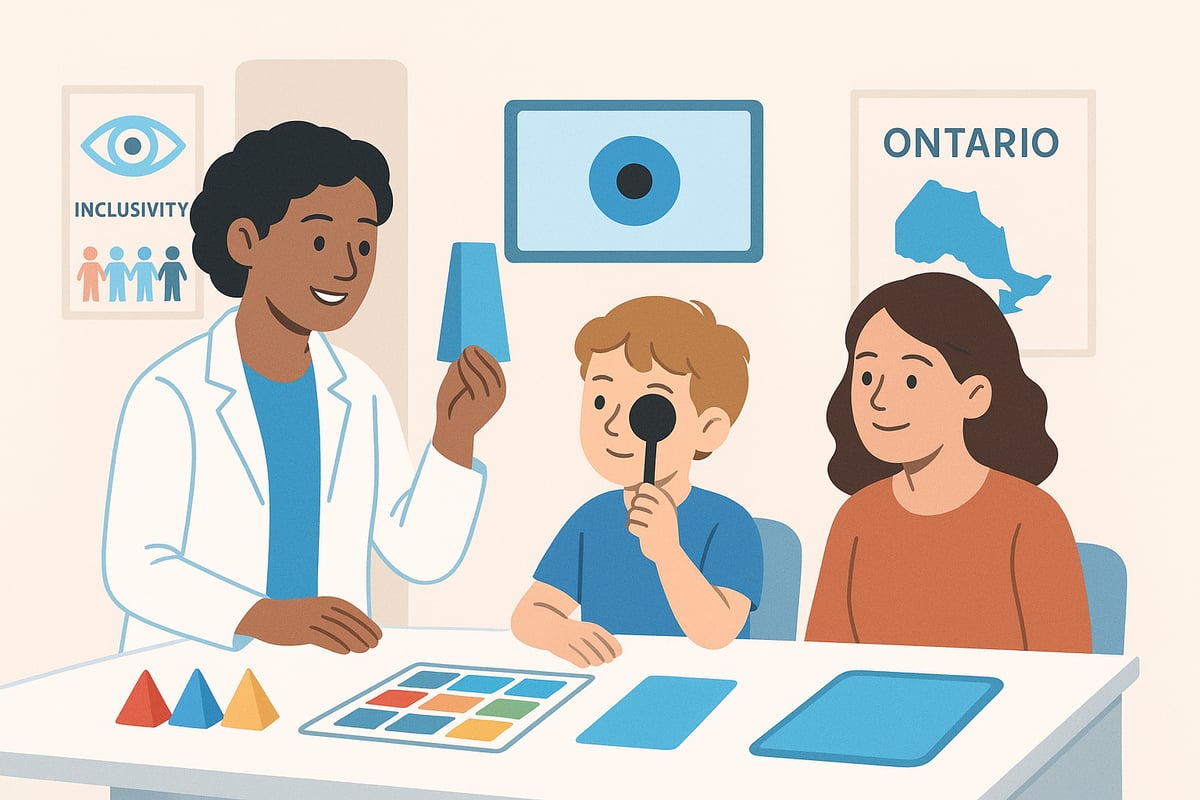
Vision therapy is a structured program within visual processing optometry that aims to enhance the brain's ability to interpret visual information. Unlike general eye exercises, this therapy is tailored to address specific processing difficulties, such as visual discrimination or visual-motor integration.
Sessions often include activities like tracking moving objects, matching shapes, and practicing hand-eye coordination. These exercises are designed to be engaging, especially for children, and are adapted to each person’s progress. Sessions may occur weekly, with each lasting 30 to 60 minutes, and the duration of therapy varies based on individual needs.
Professional oversight is crucial in visual processing optometry, as optometrists and vision therapists adjust plans based on ongoing assessment. Published studies highlight improvements in reading skills, attention, and daily functioning after consistent participation. In Ontario, families frequently ask about coverage, and it is important to note that OHIP coverage for vision therapy is limited, primarily supporting children and seniors for assessments, while therapy itself may require private insurance or out-of-pocket payment.
Integrative Approaches: Home, School, and Workplace
A comprehensive approach to visual processing optometry extends beyond the clinic. Environmental modifications and collaboration with educators or employers play a key role in supporting individuals with visual processing disorders.
At home, families can use coloured overlays for reading, organize cluttered spaces, and schedule regular visual breaks. In schools, teachers can adjust seating, provide extra time for tasks, and use large-print materials. Workplaces may implement adjustable lighting, minimize distractions, and offer flexible deadlines.
Collaboration is central to successful visual processing optometry management. Optometrists often work closely with teachers, occupational therapists, and employers to ensure strategies are consistent across environments. Examples include using checklists in the classroom, or ergonomic workstations for adults. These integrative approaches help reduce frustration and enhance learning or job performance for those navigating visual processing challenges.
Tools, Technologies, and Assistive Devices
Modern visual processing optometry incorporates a range of tools and assistive technologies to support individuals with processing difficulties. Commonly used items include prisms, specialized lenses, and computer-based programs that train visual skills through interactive exercises.
Adaptive devices, such as magnifiers or electronic readers, can address specific needs. For instance, a student with visual memory issues may benefit from apps that reinforce sequencing skills, while an adult with visual-motor challenges might use software that improves hand-eye coordination.
Professional guidance is essential when selecting tools for visual processing optometry. Optometrists assess each individual's profile to recommend the most appropriate solutions and monitor their effectiveness over time. As technology evolves, new devices continue to emerge, but the focus remains on matching interventions to the person’s unique requirements. A multidisciplinary approach ensures that tools are integrated smoothly into daily activities, maximizing independence and confidence.
Regulatory Guidelines and Coverage in Ontario
Navigating regulatory guidelines and coverage is essential for anyone seeking visual processing optometry services in Ontario. Understanding who qualifies for public funding, what private insurance covers, and how to access support ensures a smoother experience for families and individuals.

OHIP Coverage for Visual Processing Optometry
In Ontario, the Ontario Health Insurance Plan (OHIP) covers routine eye exams for children aged 0-19 and seniors aged 65 and over. For these groups, assessments related to visual processing optometry are often included as part of the standard comprehensive eye exam. This means that for school-aged children and older adults, much of the initial screening and detection of visual processing concerns can occur without out-of-pocket expenses.
However, for adults aged 20-64, OHIP does not typically cover routine eye exams or specialized visual processing optometry assessments unless there are qualifying medical conditions. As a result, many working-age adults may need to rely on private insurance or pay directly for these services.
| Age Group | OHIP Coverage | Notes |
|---|---|---|
| 0-19 | Yes | Annual exams & assessments included |
| 20-64 | No (except medical need) | Private insurance/out-of-pocket required |
| 65+ | Yes | Annual exams & assessments included |
Private Insurance and Coverage Limitations
For those not eligible for OHIP-funded visual processing optometry, private health insurance may provide partial or full reimbursement for assessments and therapy. Policies vary widely, so it is important to review coverage details and annual limits. Some plans require a physician’s referral or pre-authorization before services begin.
Adults aged 20-64 should check with their benefits provider to determine if visual processing optometry is included, as coverage for vision therapy or advanced testing is not universal. When insurance is unavailable, clinics can provide estimates for assessment and treatment costs.
Documentation for Accommodations
Proper documentation is crucial for accessing school or workplace accommodations related to visual processing optometry. Optometrists provide detailed reports outlining assessment findings, diagnoses, and recommended strategies. These reports support applications for Individual Education Plans (IEPs) in schools or workplace modifications under Ontario’s accessibility laws.
Common documentation requirements include:
- Comprehensive assessment summary
- Diagnosis and impact statement
- Recommended interventions or accommodations
- Follow-up plan
Schools and employers may request updates as part of ongoing support, so maintaining communication with your visual processing optometry provider is recommended.
Regulatory Guidelines, Scope of Practice, and Access
Optometrists in Ontario must follow guidelines set by the Ontario Association of Optometrists (OAO) and regulatory standards from the College of Optometrists of Ontario. These guidelines define the scope of practice, which includes assessment, diagnosis, and non-surgical management of visual processing disorders. For more details on permitted acts and responsibilities, see the Scope of practice for Ontario optometrists.
When visual processing optometry identifies complex needs or conditions outside the optometrist’s scope, referrals may be made to ophthalmologists, occupational therapists, or other specialists. Recent updates for 2026 focus on clearer pathways for interdisciplinary collaboration and expanded resources for families.
To access visual processing optometry services, start with a comprehensive eye exam at an OHIP-approved clinic or through a referral from your primary care provider. Bring any previous documentation and be prepared to discuss symptoms and challenges in detail. Understanding these regulatory and coverage guidelines is the foundation for effective visual processing support in Ontario.
Building a Personalized Visual Processing Success Roadmap
A clear roadmap can empower individuals and families to navigate visual processing optometry in Ontario. By breaking the journey into actionable steps, you can better understand, access, and manage the support needed for success.
Step 1: Recognize the Signs and Take Action
Early recognition is vital in visual processing optometry. Watch for these common indicators in children and adults:
- Difficulty with reading, writing, or copying from the board
- Frequent headaches or eye strain during visual tasks
- Poor hand-eye coordination or trouble with sports
- Avoidance of homework or visually demanding activities
If you notice any of these signs, respond promptly. Timely attention can help prevent academic, social, and workplace challenges linked to visual processing optometry.
Step 2: Schedule a Comprehensive Eye Exam
Routine optometric exams are the foundation of visual processing optometry. Choose a clinic equipped to assess both visual acuity and processing skills. In Ontario, children (0-19) and seniors (65+) may qualify for coverage under OHIP for annual exams.
When searching for a qualified professional, the Optometrist in Ontario guide can help you find clinics with expertise in visual processing optometry. For families, understanding Are eye exams covered by OHIP? ensures you access available benefits.
Step 3: Collaborate with Professionals
Visual processing optometry often involves a multidisciplinary approach. Building a team ensures comprehensive care. Consider involving:
- Optometrists for assessment and diagnosis
- Vision therapists for targeted interventions
- Educators for classroom accommodations
- Employers for workplace modifications
Effective collaboration helps align strategies and fosters consistent support across settings. Open communication with each professional ensures your visual processing optometry plan remains effective and responsive.
Step 4: Implement and Monitor a Tailored Plan
An individualized plan is central to managing visual processing optometry. Your care team may recommend:
- Vision therapy exercises and home-based activities
- Environmental adjustments, such as improved lighting or visual aids
- Regular progress reviews and adjustments as needed
Monitor outcomes closely. Keep a log of changes in academic, work, or daily life performance. As needs evolve, update your visual processing optometry strategies to maintain progress.
Step 5: Advocate and Access Resources
Advocacy plays a crucial role in visual processing optometry success. Leverage support from Ontario-based organizations and resources such as:
- Ontario Association of Optometrists (OAO)
- Local school boards’ special education services
- Community resource centers and parent support groups
Communicate proactively with schools and workplaces to request accommodations or share assessment findings. Staying informed about rights, coverage options, and available services ensures you maximize the benefits of visual processing optometry for yourself or your family.
Frequently Asked Questions: Visual Processing Optometry in 2026
Navigating visual processing optometry in Ontario can raise many questions. Below you will find concise answers to the most common concerns, supporting you in making informed decisions.
What is the difference between visual processing and visual acuity?
Visual acuity measures how clearly you see details at a distance or up close. Visual processing, on the other hand, refers to how the brain interprets and organizes visual information from the eyes. Someone can have perfect acuity yet still struggle with visual processing optometry challenges, such as difficulties with reading, remembering visual details, or hand-eye coordination.
How often should visual processing be assessed?
Routine eye exams are recommended every 1-2 years, especially for children and older adults. If specific concerns arise, such as academic or work-related struggles, a visual processing optometry assessment may be warranted sooner. Early detection supports effective management and better outcomes.
What are the costs and coverage options in Ontario?
Coverage for visual processing optometry assessments varies by age:
| Age Group | Assessment Coverage | Therapy Coverage |
|---|---|---|
| 0-19 | OHIP (annual) | Private Insurance |
| 20-64 | Private Insurance | Private Insurance |
| 65+ | OHIP (annual) | Private Insurance |
OHIP covers annual assessments for children (0-19) and seniors (65+). Therapy and additional tests are often covered by private insurance. Documentation is required for reimbursement.
Can adults benefit from visual processing interventions?
Yes, adults experiencing persistent symptoms such as headaches, work difficulties, or spatial awareness issues can benefit from visual processing optometry interventions. Proper assessment helps identify challenges and tailor strategies for daily and workplace tasks.
Are school accommodations available for children with visual processing issues?
Ontario schools may provide accommodations for students with documented visual processing optometry needs. These can include extra time, assistive technology, or modified materials. Understanding how vision issues can mimic behavioral problems is essential, as highlighted in Vision issues mimicking behavioral problems.
How do I find a qualified optometrist or vision therapist?
Search the Ontario Association of Optometrists (OAO) website for practitioners specializing in visual processing optometry. Ask your family doctor or school for referrals. Confirm the clinic offers comprehensive visual processing assessments and collaborates with vision therapists.
What are the most common misconceptions about visual processing disorders?
A frequent misconception is that all vision problems relate to clarity. In reality, many issues stem from the brain's processing, not eyesight itself. Another myth is that only children are affected. Adults can also face challenges. Recent data on the prevalence of visual impairment in Canada highlights the need for awareness across all ages.
If you have more questions about visual processing optometry, consult a qualified Ontario optometrist or vision therapist for personalized support.
As you’ve discovered, understanding visual processing is key to supporting success at school, work, and in everyday life. Taking that first step—recognizing the signs and seeking expert guidance—can make all the difference. At Durham Vision Care, we’re here to help you navigate every stage, from comprehensive assessments to tailored treatment plans for both children and adults. If you’re ready to prioritize your visual health and set a clear path forward, we invite you to Book an Appointment with our dedicated team. Your journey toward better vision and lasting results starts here.









Recent Comments