
Eye health is becoming increasingly important for people of all ages in Ontario, especially as we move into 2026. Many residents face challenges with early detection and ongoing management of vision problems, highlighting the need for accessible and up-to-date information.
Understanding insight vision care optometry helps individuals and families make informed decisions about their eye health. By learning about available services, new technologies, and preventive strategies, you can take proactive steps to protect your vision.
This handbook provides a comprehensive overview, including current optometry practices, essential services, regulatory updates, technology trends, and guidance on choosing an optometrist. Explore topics such as:
- Understanding optometry in 2026
- Essential vision care services
- Pediatric and senior care
- Regulatory coverage and access
- Technology advancements
- Practical steps for maintaining eye health
Understanding Optometry in 2026: Scope and Importance
Eye health is a crucial part of overall wellness, and insight vision care optometry is central to supporting Ontario residents in 2026. With increased awareness about the value of preventive eye care, understanding the scope and importance of optometry is more relevant than ever.
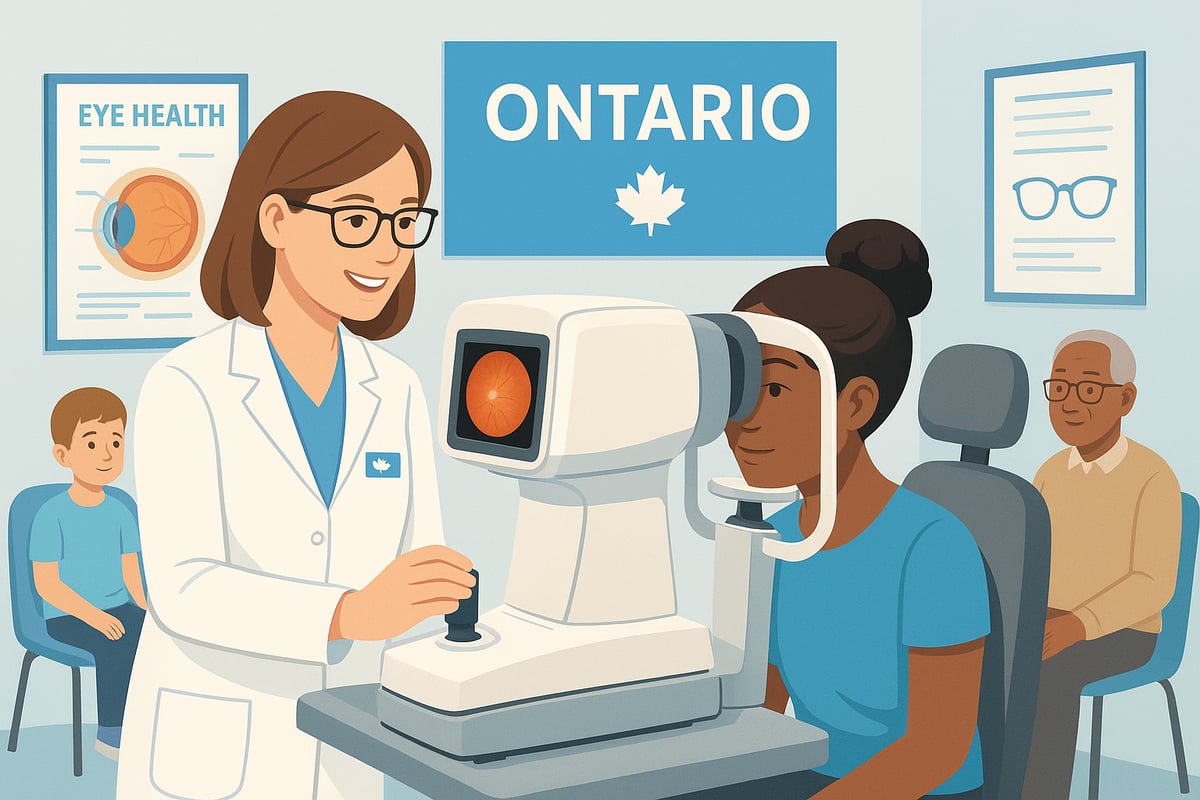
The Role of Optometrists in Eye Health
Optometry in Ontario is a regulated health profession that focuses on vision assessment, ocular health evaluation, and the management of many eye conditions. Optometrists are trained to detect refractive errors, prescribe corrective lenses, and monitor for eye diseases.
Unlike ophthalmologists, who are medical doctors performing surgeries, or opticians, who fit and dispense eyewear, optometrists provide primary eye care. Regular eye exams are vital for early detection of issues, as recommended by Health Canada and the Ontario Association of Optometrists (OAO). For example, annual exams can help identify changes before symptoms emerge. In Ontario, nearly 1 in 4 adults experience some form of vision impairment, highlighting the value of routine insight vision care optometry.
Key Trends Shaping Optometry in Ontario
There is a noticeable growth in demand for comprehensive insight vision care optometry services. The trend is shifting toward preventive and holistic care, with more people recognizing the impact of digital eye strain.
Advanced diagnostic tools, such as retinal imaging, are now commonly integrated into routine assessments. According to OAO reports, service utilization has increased as awareness spreads. Optometrists are adapting their approaches to address the evolving needs of Ontario's population, ensuring access to modern vision care.
The Impact of Vision Health on Daily Life
Vision health directly influences quality of life, learning, and work productivity. Unaddressed eye conditions can affect independence and safety, especially in children and seniors. Myopia progression in children is one example, potentially impacting academic performance.
Statistics show that vision loss costs Ontario's economy millions annually, due to reduced workforce participation and increased healthcare needs. Insight vision care optometry plays an essential role in supporting individuals to maintain their independence and actively participate in daily life.
Common Eye Conditions Managed by Optometrists
Optometrists manage a range of vision problems, including refractive errors like myopia, hyperopia, and astigmatism. They also assess and help manage diseases such as glaucoma, cataracts, and age-related macular degeneration (AMD).
Dry eye syndrome and digital eye strain are increasingly common, especially among those using screens for prolonged periods. Insight vision care optometry also includes the management of diabetic retinopathy, a leading cause of vision loss. Prevalence rates in Ontario highlight the importance of early identification and ongoing monitoring.
The Value of Early Detection and Ongoing Care
Routine eye exams offer significant benefits for all age groups. Early intervention in children and seniors can help manage or slow the progression of vision problems. Regular follow-ups and ongoing monitoring are key aspects of effective insight vision care optometry.
For instance, school screenings and senior checkups are recommended by the OAO to catch issues early. To understand why consistent exams matter, see Why Regular Eye Exams Matter, which outlines the role of preventive care in lifelong vision health.
Essential Vision Care Services: What to Expect
Insight vision care optometry offers a full spectrum of services designed to support eye health at every stage of life. Patients in Ontario can expect a patient-centered approach that emphasizes prevention, early detection, and personalized solutions for optimal vision.
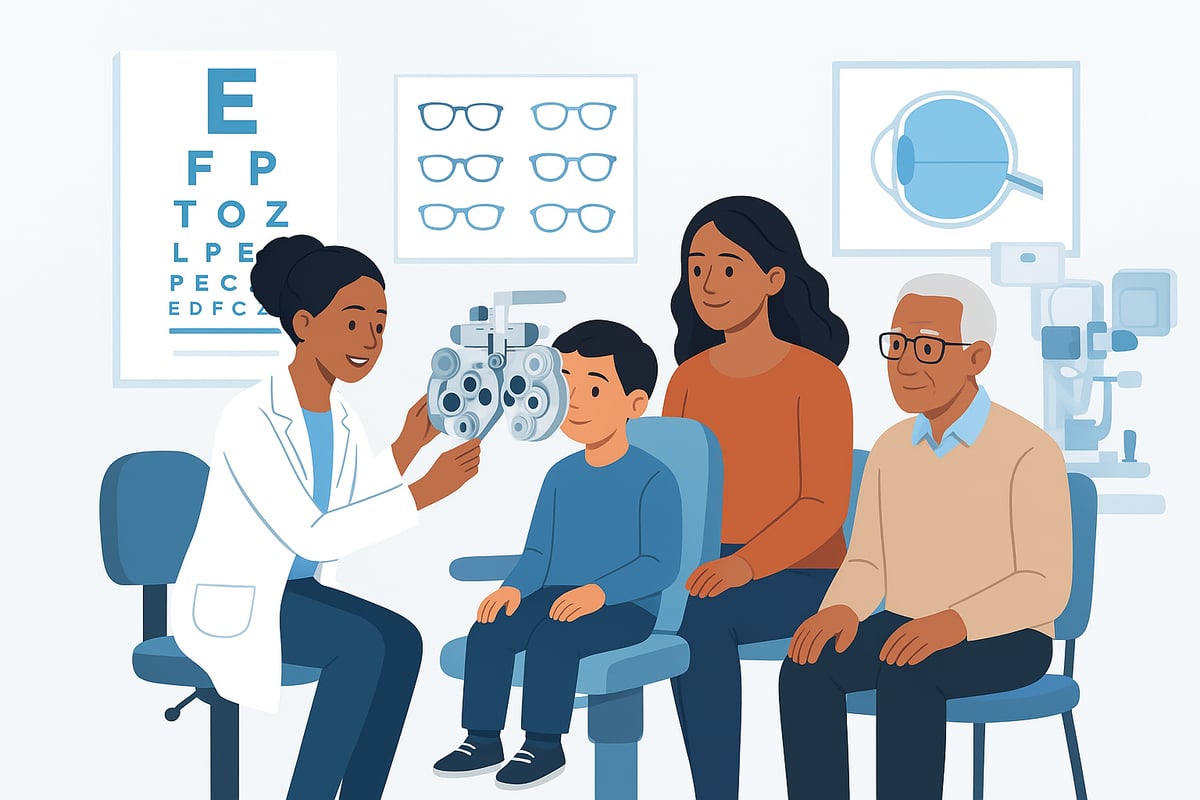
Comprehensive Eye Exams for All Ages
Comprehensive eye exams are the foundation of insight vision care optometry. Each exam includes a detailed health history, visual acuity testing, refraction, and ocular health assessment. According to Health Canada and the Ontario Health Insurance Plan (OHIP), children aged 0 to 19 and seniors 65 and older are eligible for an annual insured eye exam. Adults between 20 and 64 may require private insurance or out-of-pocket payment. Utilization rates indicate that regular exams help with early detection and management of refractive errors, eye diseases, and systemic health conditions. For more details on prevalent eye conditions and their management, see Common Eye Conditions in Oshawa.
Pediatric Eye Care and Myopia Management
Early vision screening is vital for children, as many vision problems can impact learning and development. Insight vision care optometry clinics assess for amblyopia, strabismus, and the rising prevalence of myopia. Myopia control strategies, such as MiYOSMART® lenses and tailored lifestyle recommendations, are available to help manage the progression of nearsightedness. School-based screenings and regular checkups ensure that vision issues are detected early, supporting children's educational success and quality of life.
Adult and Senior Eye Health Services
Adults and seniors benefit from targeted eye care services to manage age-related changes and systemic health risks. Insight vision care optometry includes screening for presbyopia, cataracts, age-related macular degeneration, and diabetic eye disease. Regular assessments also support workplace visual requirements, such as visual fields testing for driving or employment. Trends in Ontario show an increasing need for ongoing care in these populations, emphasizing the importance of routine eye exams and timely intervention.
Contact Lens Fitting and Advanced Solutions
Contact lens services are an integral part of insight vision care optometry. Patients can choose from soft, rigid, and specialty lenses designed for astigmatism, presbyopia, or myopia control. The fitting process involves corneal measurements, trial lenses, and patient education for safe use. Advanced options like daily disposables or multifocal lenses address diverse vision needs. The Ontario Association of Optometrists (OAO) provides guidance to ensure healthy lens wear and minimize complications.
Eyewear Selection and Optical Services
Eyewear selection is personalized to each patient's vision and lifestyle requirements. Insight vision care optometry clinics offer single vision, bifocal, and progressive lenses, with specialized coatings for blue light filtering and UV protection. Frame selection considers comfort, style, and occupational needs, including safety eyewear for workplace compliance. Trends show growing interest in both functional and fashionable eyewear choices, reflecting the importance of vision and appearance.
Specialized Testing and Referrals
Specialized diagnostic testing is available for patients with complex needs or licensing requirements. Visual fields testing supports driver’s license or employment qualifications, while Optical Coherence Tomography (OCT) allows for detailed retinal assessment. Clinics also provide referrals for LASIK consultations and co-management with ophthalmologists when indicated. The OAO sets protocols for timely referrals and follow-up care, ensuring every patient receives appropriate attention.
Durham Vision Care: Comprehensive Eye Care Provider in Oshawa
Durham Vision Care delivers insight vision care optometry to the Oshawa community with a comprehensive suite of services. The clinic offers exams for all ages, advanced contact lens fittings, and a broad range of eyewear. Utilizing diagnostic tools like OCT, Durham Vision Care supports early detection and management of conditions such as dry eye and myopia. Their focus on patient education empowers individuals and families to take charge of their vision health. Online booking and direct billing make services accessible and convenient for everyone in the Durham region.
Pediatric and Senior Vision Care: Special Considerations
Maintaining healthy vision across all ages is essential for quality of life in Ontario. The insight vision care optometry approach recognizes that both pediatric and senior populations require tailored strategies to address their unique needs. This section explores how early detection, proactive management, and family involvement can help protect vision at every stage.
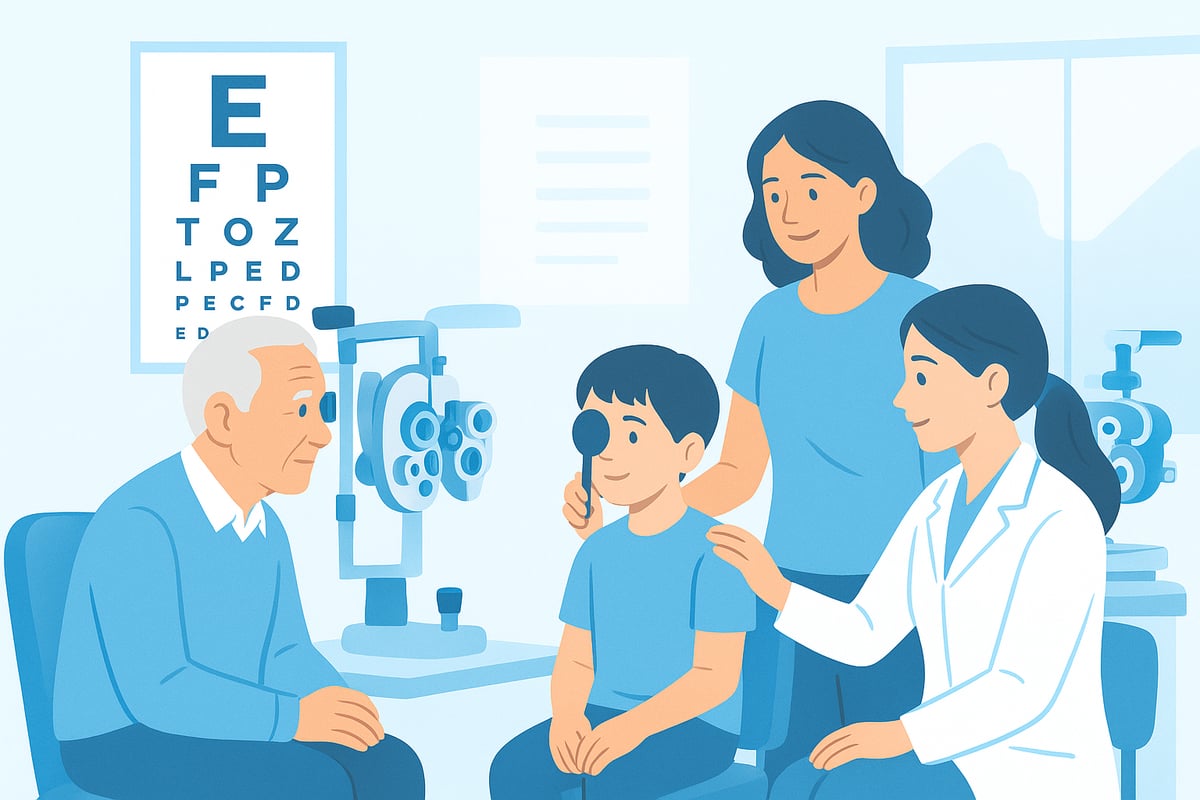
Pediatric Eye Health: Early Detection and Intervention
Early childhood eye exams are a cornerstone of insight vision care optometry in Ontario. Detecting vision problems in infants and young children can prevent developmental delays and learning challenges. Common pediatric conditions include:
- Amblyopia (lazy eye)
- Strabismus (eye turn)
- Myopia (nearsightedness)
School-based screening programs help identify these issues, but comprehensive exams in an optometry clinic remain essential. The Ontario Association of Optometrists (OAO) recommends the first eye exam at six months, again at age three, and annually thereafter. Early intervention, such as patching for amblyopia, can significantly improve outcomes.
Despite these recommendations, Ontario eye health survey results show that many families do not prioritize regular eye exams for children. Raising awareness about the value of early detection is critical for lifelong vision health.
Myopia Control in Children
Myopia rates are rising among Ontario’s youth, making myopia management a growing focus of insight vision care optometry. Factors such as increased screen time and reduced outdoor activity contribute to this trend. Regular monitoring enables optometrists to:
- Track myopia progression
- Recommend lifestyle changes (more time outdoors)
- Prescribe specialty lenses, like MiYOSMART®
Parental involvement is vital. Families can support children by encouraging healthy visual habits and following up on optometrist recommendations. Studies indicate a significant increase in childhood myopia, highlighting the importance of early intervention and ongoing care.
Senior Eye Health: Managing Age-Related Conditions
Seniors often face age-related eye diseases such as cataracts, age-related macular degeneration (AMD), and glaucoma. Insight vision care optometry emphasizes the importance of routine eye exams for early detection and management of these conditions. In Ontario, seniors aged 65 and over are eligible for annual OHIP-covered exams.
Managing comorbidities like diabetes and hypertension is also crucial, as these can impact vision. Annual assessments help monitor changes and adjust care plans. Statistics from the OAO indicate that vision impairment is more common in seniors, underlining the need for consistent eye care.
Vision Loss Prevention and Support Resources
Preventing or slowing the progression of eye diseases is a central goal of insight vision care optometry. Strategies include:
- Regular monitoring of chronic eye conditions
- Use of low vision aids (magnifiers, specialized glasses)
- Referral to rehabilitation services
Community organizations, like the Canadian National Institute for the Blind (CNIB), offer valuable resources for those experiencing vision loss. Data shows that low vision services are increasingly utilized, reflecting the growing needs of Ontario’s aging population. Access to these supports can help individuals maintain independence and quality of life.
Family and Caregiver Education
Family and caregiver involvement is essential in the insight vision care optometry model. Educating families about warning signs, such as squinting or sudden vision changes, can prompt timely intervention. Key strategies include:
- Adhering to treatment and follow-up schedules
- Utilizing available resources for pediatric and senior support
- Participating in educational initiatives from organizations like the OAO
When families actively participate in care, outcomes improve across all age groups. The collaborative approach ensures that both children and seniors receive the attention and support needed for optimal vision health.
Regulatory Coverage and Access to Optometry Services in Ontario
Understanding regulatory coverage and access is essential for making informed decisions about insight vision care optometry in Ontario. Whether you are seeking routine exams, specialty services, or support for vision health, knowing your rights and available resources can help you navigate the system confidently.
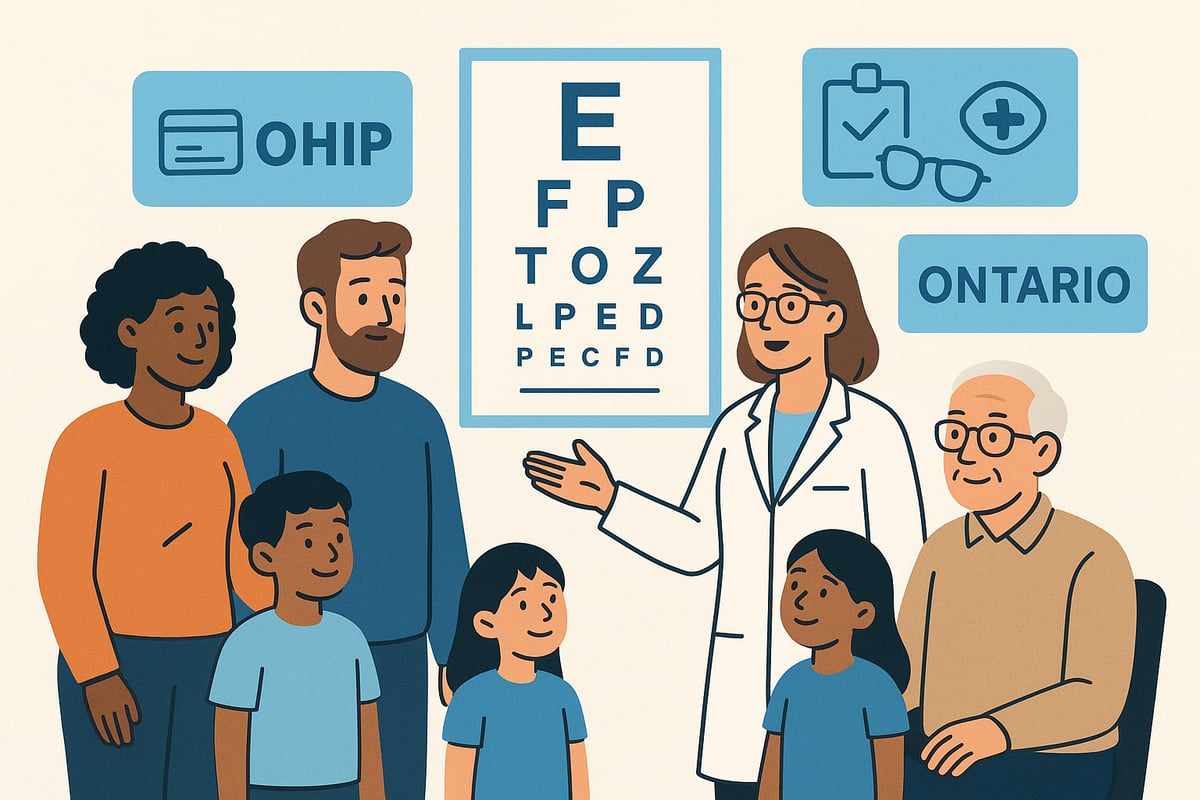
OHIP Coverage for Eye Care: Eligibility and Limitations
Ontario’s Health Insurance Plan (OHIP) plays a central role in insight vision care optometry by covering routine eye exams for specific populations. Children aged 0 to 19 and seniors 65 and older are eligible for one comprehensive eye exam annually, plus any required follow-up assessments for certain medical conditions. Adults with specific health concerns, such as diabetes or glaucoma, may also qualify for covered exams.
For full details on eligibility, frequency, and service scope, refer to the OHIP coverage for eye exams. Understanding these provisions ensures families and individuals can access preventive care without unnecessary financial barriers.
Private Insurance and Out-of-Pocket Costs
For many adults between 20 and 64, insight vision care optometry services are not fully covered by OHIP. Instead, private insurance plans often provide reimbursement for eye exams, contact lenses, and prescription eyewear. Coverage varies by provider and plan, so it is important to review your benefits before booking appointments.
Out-of-pocket costs remain a consideration, especially for specialized services or eyewear upgrades. Many clinics offer direct billing, which simplifies the payment process and helps patients manage expenses efficiently.
Accessibility and Wait Times
Access to insight vision care optometry clinics is generally strong in urban centers like Oshawa and the Durham region. However, rural areas may experience longer wait times due to fewer providers. Clinic availability, appointment scheduling, and the adoption of tele-optometry services are improving access across Ontario.
Efforts to reduce wait times include expanding clinic hours and implementing virtual consultations for follow-up care. These changes help meet the growing demand for timely vision care, especially in underserved communities.
Choosing an Optometrist: Credentials and Clinic Selection
Selecting a qualified provider is a key step in your insight vision care optometry journey. In Ontario, optometrists must be licensed by the College of Optometrists of Ontario and participate in ongoing professional development. When choosing a clinic, consider factors like location, range of services, and use of advanced diagnostic technology.
Look for clinics with proper accreditation and membership in professional associations such as the Ontario Association of Optometrists. These credentials help ensure your care meets provincial standards.
Patient Rights and Informed Consent
Patients have the right to understand and consent to all aspects of their insight vision care optometry experience. This includes receiving clear information about exam procedures, privacy protections, and access to personal health records. Informed consent is especially important for pediatric exams, where guardians must approve care decisions.
Ontario’s privacy legislation safeguards your medical information, giving you control over how your data is used and shared. If you have questions about your rights, do not hesitate to ask your provider for clarification.
Technology and Innovation in Vision Care
Advancements in technology continue to transform insight vision care optometry in Ontario. Modern tools and digital innovations are enhancing the way optometrists assess, monitor, and help manage eye health for patients of all ages. This section explores the key developments shaping vision care for 2026, from advanced diagnostics to tele-optometry.
Diagnostic Tools and Imaging Advances
Diagnostic advancements are central to insight vision care optometry. Tools like retinal imaging, Optical Coherence Tomography (OCT), and corneal topography allow for a detailed assessment of ocular structures. These technologies support early detection and ongoing monitoring of conditions like glaucoma, diabetic retinopathy, and macular degeneration.
OCT, in particular, offers high-resolution cross-sectional images of the retina, helping optometrists identify subtle changes over time. According to the Ontario Association of Optometrists, integrating these devices into routine practice enhances accuracy and supports preventive care. For a deeper look at how OCT is transforming clinics, see Innovations in Eye Care Technology.
Short, non-invasive tests make these tools suitable for all ages, and results can be shared digitally with other healthcare providers. This approach ensures comprehensive insight vision care optometry services.
Digital Eye Strain and Blue Light Protection
With the rise of digital devices, digital eye strain is a growing concern in insight vision care optometry. Symptoms can include dry eyes, headaches, and blurred vision, especially for those spending long hours in front of screens. The Ontario Association of Optometrists notes that both students and remote workers are increasingly affected.
Preventive strategies include following the 20-20-20 rule, using proper lighting, and adjusting screen settings. Many optometrists now recommend blue light filtering lenses as part of routine care. These lenses help manage exposure to blue light emitted from devices, supporting eye comfort and health.
Educating patients on device use and regular screen breaks is a key part of insight vision care optometry, especially for children and adults working from home.
Innovations in Eyewear and Contact Lenses
Insight vision care optometry in Ontario is seeing steady growth in eyewear and contact lens technology. New lens materials improve comfort and durability, while advanced coatings offer protection against glare, UV rays, and scratches. Specialty lenses, such as those for myopia control or presbyopia, are now widely available.
Transition lenses that adapt to changing light conditions and blue light filters are popular choices for many patients. Optometrists also consider lifestyle and occupational needs when recommending eyewear, ensuring solutions fit each individual.
Contact lens options have expanded, with daily disposables, toric lenses for astigmatism, and multifocal lenses for presbyopia providing tailored choices. These innovations make insight vision care optometry more adaptable than ever.
Tele-Optometry and Remote Care
Tele-optometry is an emerging area in insight vision care optometry, offering virtual consultations and remote monitoring for select patients. This model increases access, especially in rural or underserved areas of Ontario.
Benefits include timely follow-ups, medication management, and support for stable chronic conditions. While some assessments still require in-person visits, tele-optometry can complement traditional care by making services more convenient.
Integration with digital records allows optometrists to track changes and share data securely. As adoption rates grow, insight vision care optometry continues to evolve, blending in-person expertise with digital convenience for comprehensive patient support.
Step-by-Step Guide to Maintaining Optimal Vision Health in 2026
Keeping your eyes healthy requires a proactive approach and regular attention. This step-by-step guide will help you navigate insight vision care optometry in Ontario, ensuring you and your family maintain optimal vision in 2026.
Step 1: Schedule Regular Eye Exams
Routine eye exams are fundamental for maintaining vision health at every age. In Ontario, children (0-19) and seniors (65+) receive yearly eye exam coverage under OHIP, while adults may require private insurance or pay out-of-pocket.
Booking appointments is easy, with many clinics offering online scheduling. When selecting a provider, consider reviewing resources like How to Choose the Right Optometrist to ensure you receive thorough insight vision care optometry. Regular checkups help with early detection and ongoing management.
Step 2: Practice Daily Eye Care Habits
Incorporating healthy routines is essential for long-term vision. Always wash your hands before touching your eyes or contact lenses. Follow the 20-20-20 rule by looking away from screens every 20 minutes for 20 seconds at something 20 feet away.
Eat nutrient-rich foods like leafy greens, carrots, and fish to support eye function. Proper hydration also contributes to eye comfort. These habits are core to the insight vision care optometry approach for daily maintenance.
Step 3: Protect Eyes from Environmental Risks
Safeguard your eyes from harm by wearing sunglasses with UV protection outdoors and using safety eyewear during sports or work activities. This minimizes risk from sunlight, dust, or debris.
Limit exposure to allergens and use protective gear when gardening or cleaning. By making protection a priority within your insight vision care optometry routine, you help prevent avoidable injuries and long-term issues.
Step 4: Recognize Warning Signs and Seek Prompt Care
Pay attention to symptoms such as sudden vision changes, flashes of light, or persistent eye pain. These can signal underlying problems that require immediate attention from an optometrist.
Early recognition and timely response are key principles in insight vision care optometry. Never ignore discomfort or changes in your vision—prompt action can make a significant difference in managing eye health.
Step 5: Utilize Community and Professional Resources
Ontario offers a range of resources for vision support, including government programs, community workshops, and non-profit organizations. Staying informed about services and coverage, such as those detailed in OHIP-insured optometry services changes, ensures you make the most of available benefits.
Engage with local clinics, educational events, and support groups to reinforce your insight vision care optometry plan. Access to these tools helps you stay proactive and informed.
As you’ve discovered throughout this guide, taking charge of your vision health in 2026 means staying informed about the latest advances in optometry, prioritizing preventive care, and choosing a trusted provider who puts your needs first. Whether you want a thorough eye exam, need advice on managing digital eye strain, or are considering new eyewear, you don’t have to navigate these decisions alone. At Durham Vision Care, you’ll find a dedicated team ready to support you and your family at every stage. Ready to take the next step for your eyes?
Book an Appointment





Recent Comments