
Vision health is central to daily quality of life, yet in 2026, the demand for a complete eye care center continues to grow as digital device use and changing environments affect people of all ages. Increased screen time and exposure to environmental stressors can impact the eyes, making prevention and early detection crucial. A complete eye care center delivers essential services for managing, assessing, and helping prevent vision issues. This guide explores how to choose the right center in Ontario, what services and technologies to expect, and practical steps for maintaining lifelong eye health. Learn what you need for optimal vision in 2026.
Understanding Eye Care Centers: Services and Specializations
A complete eye care center in Ontario delivers a diverse range of services, ensuring every aspect of your vision health is addressed. From regular exams to advanced treatments, these centers focus on prevention, early detection, and ongoing management for patients of all ages. Understanding what a complete eye care center provides helps you make informed decisions about your eye health journey.
Comprehensive Eye Exams for All Ages
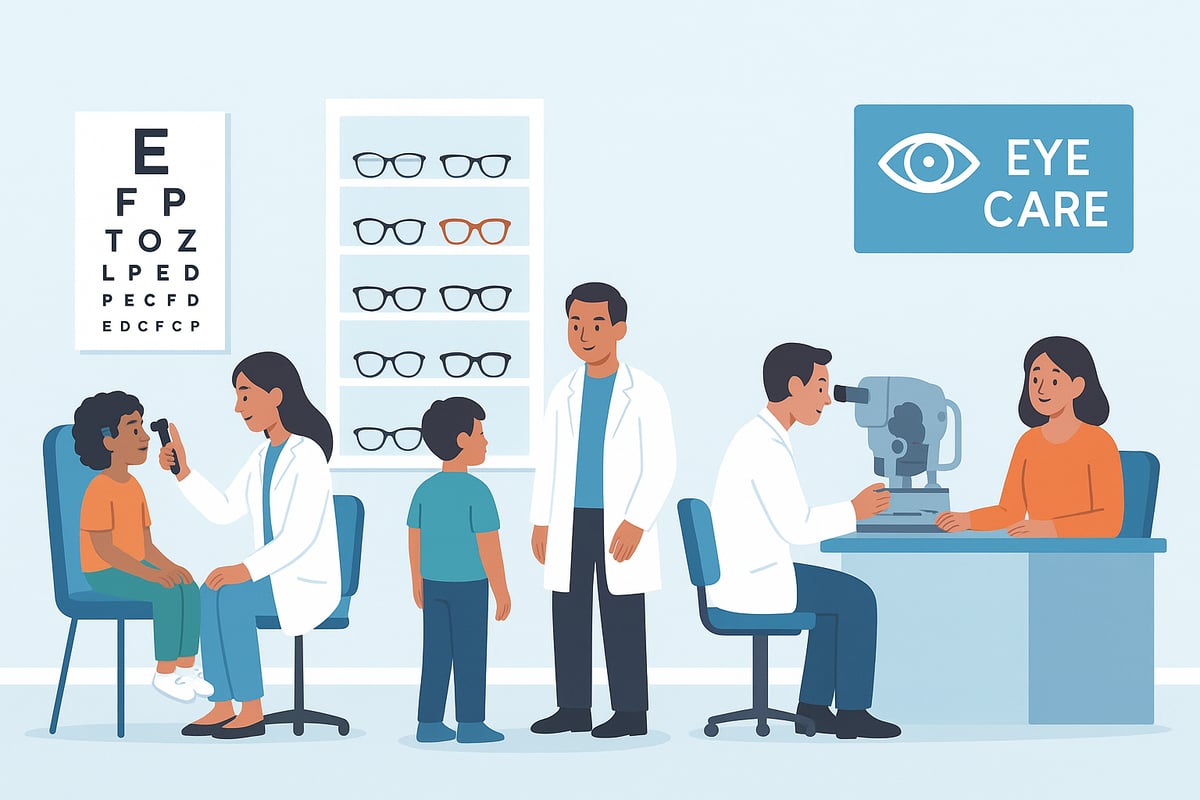
At a complete eye care center, comprehensive eye exams are tailored for both adults and children. These exams include visual acuity testing, eye health assessments, and screenings for conditions like myopia, hyperopia, and astigmatism.
Early detection is crucial for managing common eye conditions and preventing long-term vision problems. The Ontario Association of Optometrists recommends regular exams based on age and risk factors. Children (0-19) and seniors (65+) benefit from OHIP coverage for annual eye exams, while adults may require exams every one to two years.
Specialized screenings for diabetes, glaucoma, and cataracts are often integrated into the exam process. For a detailed overview of what to expect during a comprehensive exam, visit Comprehensive Eye Exam Services.
Contact Lens Solutions and Eyewear Options
A complete eye care center offers advanced contact lens fittings for a variety of vision needs, including astigmatism, presbyopia, and myopia control. Patients can choose from a selection of prescription glasses, safety eyewear, and blue light filtering lenses to match both their lifestyle and vision requirements.
Trends in eyewear design emphasize lightweight, durable materials and stylish frames. Professional fitting and adjustment services are available to ensure comfort and optimal vision correction. Whether you are new to contacts or looking to update your glasses, a complete eye care center provides tailored solutions for every patient.
Management of Eye Conditions
Managing eye health involves more than just vision correction. A complete eye care center assesses and treats chronic dry eye, using evidence-based approaches for relief. Children with myopia benefit from interventions that help slow progression, while adults with age-related macular degeneration or diabetic retinopathy receive ongoing monitoring and support.
Visual field testing is an important component, especially for those in occupations requiring precise vision or those at higher risk of eye disease. These services help ensure that patients’ needs are addressed at every stage of their eye health journey.
Vision Therapy and Pediatric Eye Health
Vision therapy is a specialized service at a complete eye care center, designed to help individuals with visual processing issues, eye teaming problems, or developmental delays. Children are closely monitored for vision milestones, and school readiness assessments help identify potential challenges early.
Myopia progression in youth is managed through lifestyle guidance and targeted interventions. Early intervention is essential for pediatric vision issues, supporting academic success and overall development. A complete eye care center works closely with families to provide the right support at the right time.
Urgent and Specialized Eye Care
When sudden eye emergencies arise, such as foreign bodies, infections, or sudden vision loss, a complete eye care center offers urgent assessment and treatment. Specialized referrals may be arranged for LASIK co-management or low vision services, ensuring continuity of care.
Advanced diagnostic imaging, including OCT scans, is used to evaluate complex cases and monitor disease progression. Knowing when to seek urgent care versus routine assessment is key to protecting your vision. A complete eye care center provides guidance and access to specialized services for all critical eye health needs.
Choosing the Right Eye Care Center in Ontario
Selecting the right complete eye care center in Ontario is an important decision for your vision health. Understanding what to look for in terms of professional standards, technology, accessibility, and patient care can help you make an informed choice. Let us break down the most important considerations in this process.
Accreditation, Qualifications, and Regulatory Compliance
When evaluating a complete eye care center, start by confirming the qualifications of the optometrists and staff. In Ontario, optometrists must be licensed by the College of Optometrists of Ontario. This regulatory body ensures practitioners meet strict educational and ethical standards.
Look for centers that display professional credentials. Compliance with Health Canada and Ontario Association of Optometrists (OAO) guidelines is essential. Certified staff and up-to-date training signal a commitment to safe, evidence-based care.
Choosing a complete eye care center that meets these regulatory requirements helps protect your health and ensures access to appropriate vision services.
Evaluating Technology and Diagnostic Capabilities
Modern diagnostic technology is a key feature of a complete eye care center. Tools such as Optical Coherence Tomography (OCT), digital retinal imaging, and visual field analyzers support early detection and management of eye conditions.
Before booking, ask about the diagnostic equipment available. Inquire how technology supports assessments for glaucoma, macular degeneration, and diabetic retinopathy. For a deeper understanding of how advanced tools are used, you can read more in Advanced Diagnostic Technology in Eye Care.
A complete eye care center that invests in reliable diagnostic tools demonstrates a commitment to comprehensive, up-to-date care.
Accessibility, Insurance, and Patient Support
Accessibility is vital when choosing a complete eye care center. Consider the location, hours, parking, and public transit options. Centers with online booking, extended hours, and language support can make visits easier for all patients.
Insurance and OHIP coverage also play a major role. In Ontario, children and seniors often receive coverage for routine exams, while private insurance may cover additional services. Direct billing can simplify your experience.
Patient education, follow-up care, and support for children or individuals with disabilities are strong indicators of a patient-centered complete eye care center.
Durham Vision Care: Comprehensive Eye Care in Oshawa
Durham Vision Care stands out as an example of a complete eye care center in Oshawa. Their approach focuses on comprehensive eye exams, contact lenses, dry eye management, and myopia control for all ages.
The clinic uses advanced diagnostic technology and offers a wide selection of eyewear. Patients benefit from early detection and prevention strategies that address holistic eye health.
Conveniently located in central Oshawa, Durham Vision Care provides online booking, direct insurance billing, and a welcoming environment for families and individuals seeking a complete eye care center.
Essential Steps for Your Eye Care Journey
Embarking on your vision health journey with a complete eye care center involves several essential steps. Each stage ensures you receive thorough, personalized care and achieve the best possible outcomes for your eyes. Here is a practical guide to help you navigate each phase with confidence.
Step 1: Scheduling and Preparing for Your Eye Exam
The first step at any complete eye care center is booking your appointment. You can typically schedule online, by phone, or occasionally as a walk-in, depending on the clinic's policies.
To ensure a smooth visit, bring your provincial health card, current glasses or contact lenses, and a list of medications. Some centers may ask you to avoid wearing contact lenses for a set period beforehand, especially if a contact lens fitting is not required.
Be ready to complete forms regarding your health history and consent. Preparing these items in advance helps your complete eye care center team deliver precise and efficient service.
Step 2: Undergoing a Comprehensive Eye Assessment
During your visit to a complete eye care center, you will undergo a detailed eye assessment. The process typically starts with a review of your medical and vision history, followed by visual acuity testing and an eye health evaluation.
Advanced diagnostic tools, such as retinal imaging and visual field testing, may be used to gather thorough data on your eye health. Your optometrist will explain the findings in clear terms and outline any recommended next steps.
Most comprehensive assessments are comfortable and last between 30 to 60 minutes. This step ensures your complete eye care center identifies issues early and supports your long-term vision needs.
Step 3: Exploring Treatment and Correction Options
After your assessment, your complete eye care center will discuss suitable treatment and correction options. Choices include prescription eyeglasses, contact lenses for specific conditions, or specialty lenses designed for your lifestyle and vision requirements.
If needed, your optometrist may explain the potential benefits of vision therapy, myopia management, or dry eye treatments. The team will guide you through the eyewear fitting and adjustment process, ensuring comfort and clarity.
In some cases, referrals for surgical or specialized care are provided. This collaborative approach ensures your complete eye care center supports every aspect of your vision health.
Step 4: Understanding Your Coverage and Costs
Navigating insurance and coverage is a key part of your experience with a complete eye care center. In Ontario, OHIP covers routine eye exams for children (0-19), seniors (65+), and individuals with specific medical conditions. Private insurance may help with costs for exams, eyewear, and treatments.
You can review OHIP eye exam coverage details to clarify eligibility and services not included. Always confirm out-of-pocket expenses and billing procedures with your provider before proceeding.
Understanding your benefits ensures you make informed choices at your complete eye care center.
Step 5: Ongoing Eye Health Maintenance
Maintaining your vision requires regular follow-ups at your complete eye care center. Your optometrist will recommend check-up intervals based on your age, risk factors, and medical history.
At home, manage your eye health by limiting screen time, practicing good hygiene, and wearing sunglasses outdoors. Be alert for warning signs like sudden vision changes or persistent discomfort.
Routine visits and healthy habits help your complete eye care center team monitor and manage any chronic conditions, supporting lasting eye health.
Step 6: Supporting Children’s Vision and School Readiness
A complete eye care center plays a crucial role in supporting children's vision, especially before school entry. Schedule pediatric eye exams to detect issues early and ensure your child is ready for learning.
Watch for symptoms such as squinting, frequent eye rubbing, or difficulty focusing. Implement myopia control strategies and limit screen time as advised by your optometrist.
Collaboration between parents, teachers, and your complete eye care center helps children achieve their full visual potential and academic success.
Innovations and Trends in Eye Care for 2026
Staying informed about innovations is essential for anyone choosing a complete eye care center in Ontario. As we move through 2026, emerging technologies and new approaches are transforming the way vision health is assessed, managed, and supported. The following trends illustrate how a modern complete eye care center adapts to Ontario’s changing needs.
Advances in Diagnostic Imaging and Digital Tools
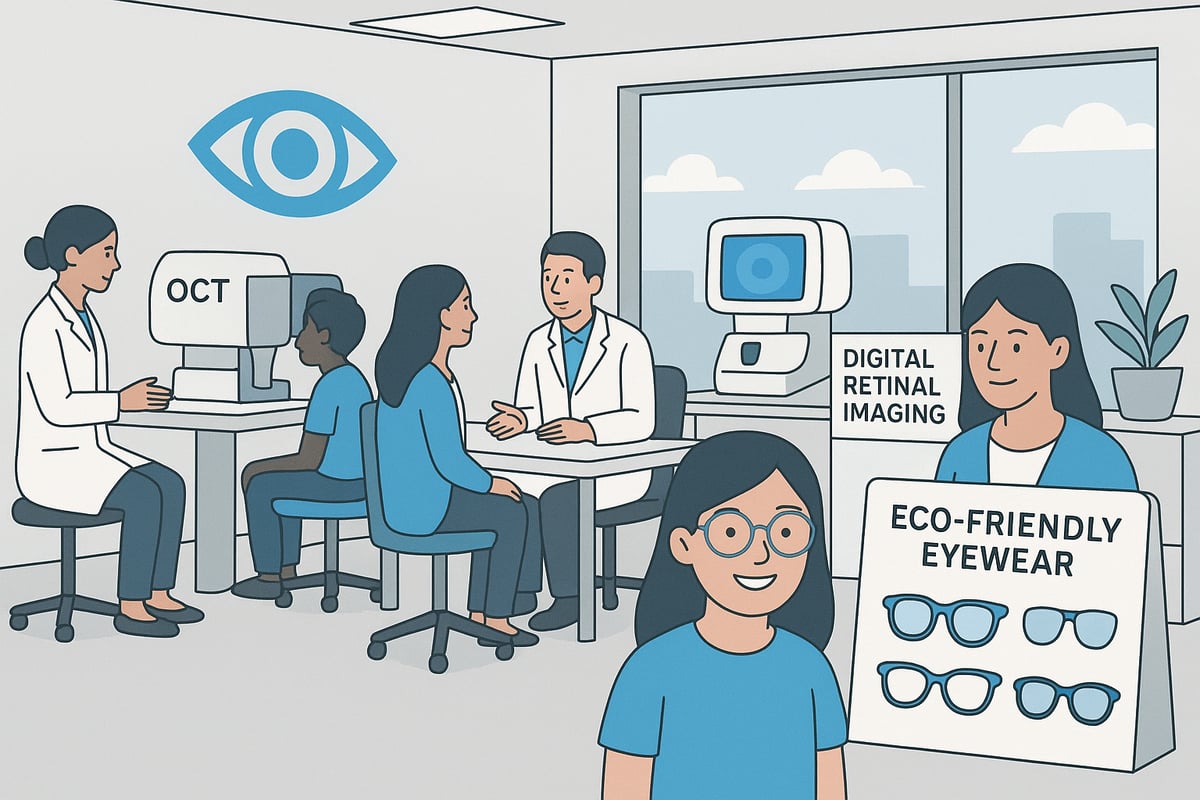
A complete eye care center in Ontario now utilizes diagnostic imaging such as Optical Coherence Tomography (OCT) and high-resolution digital retinal photography. These tools help optometrists assess subtle changes in eye health, supporting early detection of conditions like glaucoma and diabetic retinopathy.
Digital innovations also include tele-optometry, which enables remote consultations and follow-ups. Patients can share images and discuss symptoms from home, expanding access and convenience. While these technologies offer new opportunities, in-person assessments remain important for accurate diagnosis.
Tables and digital record-keeping streamline care, making it easier for a complete eye care center to monitor changes over time and coordinate with other health providers. This integrated approach supports comprehensive vision management for all ages.
Myopia Control and Pediatric Eye Health Innovations
Myopia is increasing among children in Ontario, and a complete eye care center addresses this through evidence-based management strategies. Interventions like MiYOSMART® spectacle lenses, multifocal contact lenses, and lifestyle counseling are becoming standard options for slowing myopia progression.
Research highlights the influence of outdoor activity and reduced screen time on children’s vision. Many centers participate in school-based screening and community education. For more information on myopia management and pediatric vision care, visit Myopia Control and Pediatric Eye Health.
By integrating these innovations, a complete eye care center supports early intervention and provides families with practical guidance to help manage childhood myopia.
Blue Light Exposure and Eye Strain Solutions
With increased digital device use, a complete eye care center is addressing concerns related to blue light exposure and digital eye strain. Blue light filtering lenses are available for both prescription and non-prescription eyewear, helping to reduce symptoms like fatigue and dryness.
Workplace adaptations, such as ergonomic assessments and screen positioning, are recommended to minimize discomfort. Many centers offer education on the 20-20-20 rule, encouraging regular breaks to protect vision.
Ontario-specific data shows that both adults and children are experiencing more visual fatigue, making it important for a complete eye care center to provide tailored solutions for digital lifestyles.
Sustainable and Fashionable Eyewear Trends
Sustainability is a growing focus for the complete eye care center. Eyewear manufacturers are introducing frames made from recycled materials, bioplastics, and responsibly sourced metals. These options appeal to environmentally conscious patients and align with broader health goals.
Trends in eyewear design prioritize comfort, durability, and personalization. Digital try-on tools help patients select frames that fit their style and prescription needs. Market research in Canada indicates a rising preference for eco-friendly and customizable eyewear, reflecting the values of Ontario communities.
Expanded Access and Community Eye Health Initiatives
A complete eye care center is increasingly engaged in community outreach, offering mobile clinics and public education campaigns. These initiatives help reach underserved populations and raise awareness about the importance of regular eye exams.
Government and non-profit programs support vision screening and subsidized care for children and seniors. Ontario statistics reveal ongoing gaps in access, so these efforts are vital for early detection and prevention of vision loss.
By staying current with these trends, a complete eye care center ensures that all residents benefit from modern, inclusive, and effective eye health services.
Practical Tips for Maintaining Lifelong Vision Health
Maintaining vision health requires consistent habits and informed decisions. A complete eye care center can guide you in developing daily routines, managing digital strain, and recognizing when to seek professional help. Here are practical steps to support your eyesight at every stage of life.
Daily Eye Care Habits and Lifestyle Choices
Good eye health starts with simple routines. Clean your glasses and contact lenses daily using appropriate solutions. Wash your hands before touching your eyes to reduce infection risk. A balanced diet rich in vitamin A, C, and omega-3 fatty acids supports vision. Drink enough water to keep eyes hydrated, especially in dry indoor environments.
Manage allergens by keeping living spaces dust-free and using air filters. Adjust lighting to prevent glare or strain. If you smoke, consider quitting, as smoking increases the risk of age-related vision problems. Regular visits to a complete eye care center help tailor these habits to your personal needs.
Screen Time Management and Workplace Ergonomics
Digital screens are part of daily life, but prolonged use can strain your eyes. Follow the 20-20-20 rule: every 20 minutes, look at something 20 feet away for 20 seconds. Set up your workstation with your screen at eye level and an arm’s length away. Use adjustable chairs and position lighting to minimize reflections.
Encourage children and adults to take breaks from screens, especially after school or work. Canadian guidelines recommend limiting recreational screen time for children and balancing activities with outdoor play. A complete eye care center can provide advice on ergonomic adjustments and blue light protection for your workspace.
Sun Protection and Outdoor Eye Safety
Exposure to ultraviolet (UV) rays can damage your eyes over time. Wear sunglasses labeled with 100% UVA and UVB protection when outside, even on cloudy days. Wide-brimmed hats offer added shade. For outdoor work or sports, select protective eyewear that meets Canadian safety standards.
Teach children to wear sunglasses during recess or sports. If you spend extended periods outdoors, remember that UV intensity is higher near water or snow. A complete eye care center will offer guidance on selecting sunglasses and protective gear suitable for your lifestyle and activities.
Recognizing When to Seek Professional Eye Care
Be alert to symptoms like sudden vision changes, pain, flashes, or floaters. These may indicate urgent issues that need immediate attention. For emergencies, contact your optometrist or use Urgent and Emergency Eye Care services for prompt assessment.
Schedule regular eye exams based on your age and risk factors. The CAO eye exam frequency guidelines recommend specific intervals for children, adults, and seniors. A complete eye care center will help you recognize when to seek care and ensure timely intervention for chronic or acute concerns.
As you think about your vision needs in 2026, it’s clear that proactive eye care is more important than ever—especially with our increasing screen time and changing environments. At Durham Vision Care, you’ll find expert support for every aspect of your eye health, from thorough exams for all ages to advanced solutions for dry eyes and myopia. If you’re ready to take the next step toward clearer, healthier vision, you don’t have to wait. You can easily Book an Appointment and start your journey toward lifelong eye wellness today.






Recent Comments