
As 2026 approaches, the importance of protecting your eye health in an increasingly digital world continues to grow. The landscape of optometry is evolving, making it essential for Ontario residents to understand clarity vision optometry and its role in supporting lifelong vision wellness. Staying informed about new eye care options, technologies, and regulatory changes can help individuals and families make better choices for their vision health. This guide is designed to provide a comprehensive, actionable overview of clarity vision optometry for 2026. You will discover definitions, services, technological developments, regulatory updates, provider selection tips, and future trends.
Understanding Clarity Vision Optometry: Definition and Scope
What is Clarity Vision Optometry?
Clarity vision optometry represents a modern approach to eye care in Ontario, Canada. This model emphasizes precise vision correction, aiming for optimal clarity in daily life. The focus is not only on prescribing glasses or contact lenses but also on integrating thorough clinical assessments and patient education into every visit.
This approach ensures that individuals understand their unique eye health status and the solutions available. By combining advanced diagnostic methods with clear explanations, clarity vision optometry empowers patients to make informed decisions about their vision care.
The Role of Optometrists in Ontario
In Ontario, optometrists are primary eye care providers regulated by the College of Optometrists of Ontario and supported by the Ontario Association of Optometrists. Their scope includes comprehensive eye exams, diagnosing vision disorders, and managing ocular health.
It is important to distinguish optometrists from ophthalmologists, who are medical doctors specializing in surgical eye care, and opticians, who focus on fitting eyewear. Clarity vision optometry relies on regulated professionals to maintain high standards of practice and safeguard patient health across the province.
Core Principles of Clarity Vision
The foundation of clarity vision optometry lies in patient-centered care. Optometrists conduct comprehensive assessments, considering the whole person and not just vision symptoms. Early detection is a priority, as many eye conditions develop without warning signs.
Prevention is another guiding principle, with education and regular monitoring forming part of every care plan. Ethical practice and adherence to Ontario’s regulatory standards underpin every aspect of clarity vision optometry, ensuring trust and safety for all patients.
Who Needs Clarity Vision Optometry?
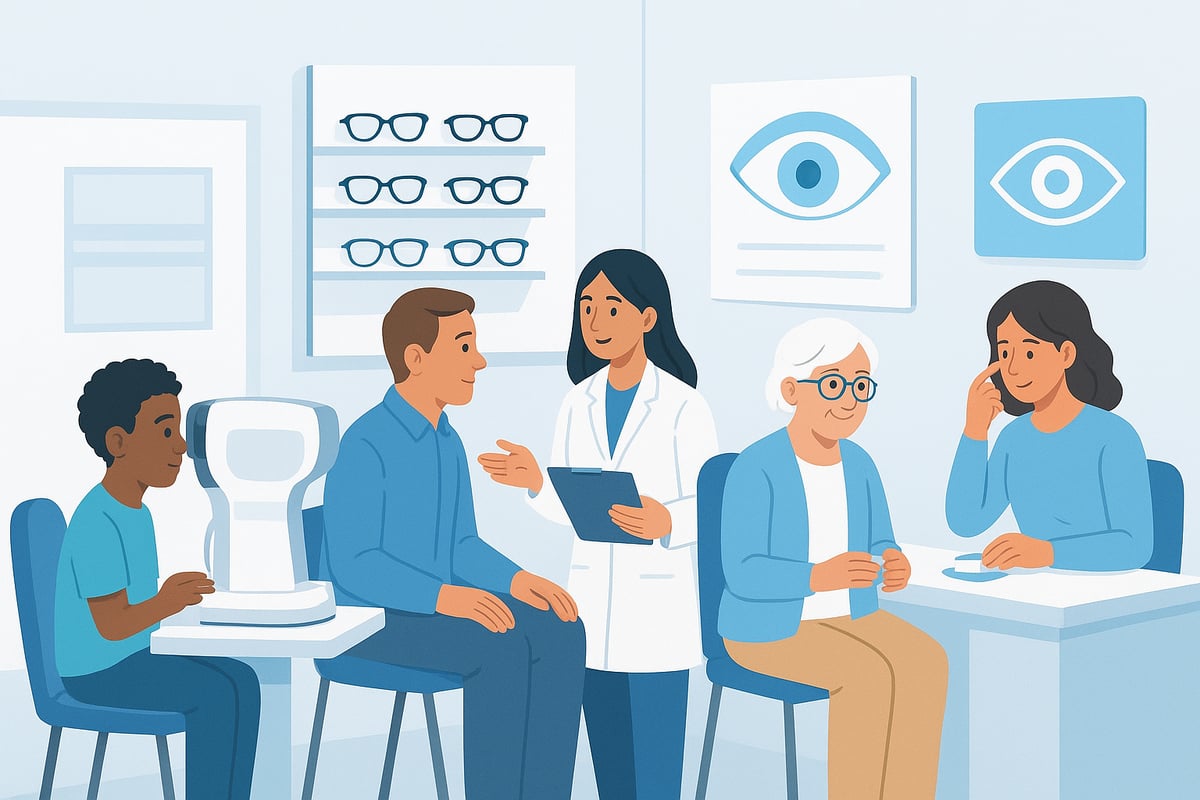
Clarity vision optometry serves a broad range of individuals. Children benefit from early screenings to detect issues like myopia, while adults require regular monitoring for refractive errors and workplace vision demands. Seniors face increased risk of age-related eye diseases, making routine assessments essential.
At-risk groups, such as those with diabetes or a family history of eye disease, also require specialized attention. According to eye health statistics from CAO, millions of Canadians experience vision problems, highlighting the ongoing need for accessible, professional eye care services.
Essential Services in Clarity Vision Optometry for 2026
Staying informed about essential services in clarity vision optometry is key to maintaining healthy vision in Ontario. As technology and clinical standards evolve, understanding these services helps individuals and families make informed decisions about their eye care needs.
Comprehensive Eye Exams
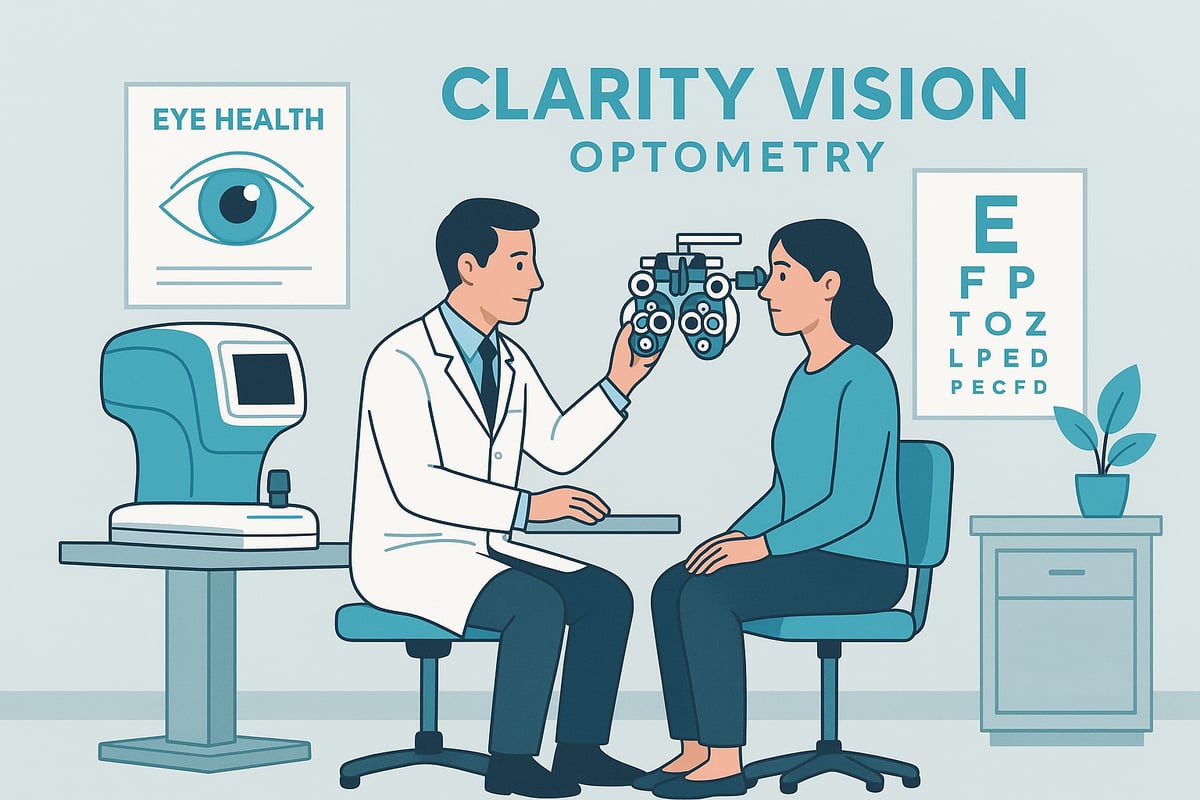
Comprehensive eye exams are a cornerstone of clarity vision optometry. These exams involve more than just checking your prescription. They assess eye health, visual acuity, binocular vision, and screen for conditions like glaucoma or diabetic retinopathy.
Each age group has specific recommendations. Children should have their first exam before age three, then annually during school years. Adults typically require exams every one to two years, while seniors benefit from annual visits due to increased risk of age-related changes. In Ontario, OHIP covers annual eye exams for those aged 0 to 19 and 65 and older.
A modern eye exam may include digital retinal imaging, intraocular pressure measurement, and visual field testing. For more details on what to expect, see the Comprehensive Eye Exams Guide.
Myopia Management and Control
Myopia, or nearsightedness, is becoming more common in children and adolescents. Clarity vision optometry addresses this trend by offering management strategies that help slow progression and protect long-term vision.
Management options include:
- MiYOSMART® spectacle lenses
- Low-dose atropine eye drops
- Multifocal contact lenses
- Lifestyle modifications, such as increased outdoor time
Canadian data show childhood myopia rates are increasing, making regular monitoring essential. Early intervention in clarity vision optometry can help manage risks associated with high myopia, such as retinal detachment or glaucoma.
Dry Eye Assessment and Treatment
Dry eye is a frequent concern, particularly in Ontario's climate and among those using screens for extended periods. Symptoms include burning, redness, blurry vision, and a sensation of grittiness. Clarity vision optometry provides thorough assessments to identify underlying causes.
Assessment methods include:
- Tear film analysis
- Meibomian gland imaging
- Evaluation of blink rates
Treatment is personalized, ranging from lubricating drops to in-office therapies and recommendations on environmental adjustments. Clinics in Ontario also educate patients about prevention and lifestyle changes to support ocular comfort.
Contact Lens Fitting and Solutions
Contact lens services are an integral part of clarity vision optometry. The fitting process starts with detailed measurements of the eye's shape and tear quality, ensuring lenses are safe and comfortable.
Types of contact lenses available:
- Daily disposable
- Monthly replacement
- Toric for astigmatism
- Specialty lenses for keratoconus or high prescriptions
Professional fitting reduces the risk of complications like infections or corneal damage. Patients receive guidance on hygiene, wear schedules, and follow-up care, supporting safe and effective contact lens use.
Advanced Diagnostic Technology
Clarity vision optometry uses advanced diagnostic tools to enhance early detection and management of eye diseases. Technologies like Optical Coherence Tomography (OCT) provide cross-sectional images of the retina, helping to identify conditions such as glaucoma, macular degeneration, and diabetic retinopathy.
Visual fields testing evaluates peripheral vision, crucial for detecting glaucoma progression. Many Ontario clinics have adopted these technologies, making comprehensive monitoring accessible and efficient.
Digital records and imaging also allow for better tracking of changes over time, supporting proactive care decisions.
Eyewear Selection and Vision Correction Options
Eyewear selection is a personalized process in clarity vision optometry. Prescription glasses come with a variety of lens materials, coatings to reduce glare or blue light exposure, and frame styles to suit different face shapes and preferences.
Patients can choose eyewear tailored to their workplace needs or active lifestyles. Clinics provide advice on durability, comfort, and aesthetics, ensuring each individual finds a vision correction solution that fits their daily routine.
Innovations and Technology Shaping Optometry in 2026
As Ontario moves toward 2026, innovations in clarity vision optometry are transforming the way eye care is delivered. Advancements in diagnostics, digital tools, and sustainable practices are helping clinics meet the needs of patients in a rapidly changing digital world. Understanding these technological shifts is essential for anyone seeking comprehensive vision care.

Digital Eye Strain and Blue Light Solutions
With digital devices now part of daily routines, digital eye strain has become a major concern in clarity vision optometry. Symptoms like eye fatigue, dryness, and blurred vision often affect both children and adults. Blue light filtering lenses and screen time management are recommended strategies to help manage discomfort. The Canadian Association of Optometrists emphasizes adjusting screen habits, regular breaks, and proper lighting. For a deeper dive into practical strategies, see Understanding Digital Eye Strain. These measures help protect vision and support eye health in a connected world.
Artificial Intelligence in Eye Care
Artificial intelligence is increasingly integrated into clarity vision optometry for diagnostic imaging and patient triage. AI tools can assist optometrists by analyzing retinal scans, identifying early signs of glaucoma, diabetic retinopathy, and macular degeneration. In Ontario, regulatory bodies oversee the ethical use of AI, ensuring patient data privacy and clinical accuracy. Clinics are adopting AI-powered platforms to streamline workflow, support clinical decision-making, and provide consistent monitoring. By incorporating AI, clarity vision optometry aims to enhance early detection, personalize care, and maintain high standards of patient safety in line with provincial guidelines.
Teleoptometry and Remote Consultations
Teleoptometry has expanded access to clarity vision optometry, especially for patients in rural and remote regions of Ontario. Using secure video platforms, optometrists can conduct preliminary assessments, monitor chronic conditions, and offer follow-up consultations. This approach helps reduce travel barriers and supports timely care. Privacy and security regulations, including PHIPA, guide the use of telehealth technologies to protect patient information. Clinics are training staff and updating protocols to ensure quality and compliance. Teleoptometry complements in-person care, making clarity vision optometry more accessible and convenient for all Ontarians.
Smart Eyewear and Connected Devices
Smart eyewear and connected devices are gaining popularity within clarity vision optometry. These technologies offer features such as real-time health tracking, activity reminders, and integration with smartphones or health apps. Patients can benefit from eyewear that monitors UV exposure or adjusts tint automatically. In Ontario, availability is growing as manufacturers focus on usability and compatibility. Clinics help patients select devices that fit their lifestyle and needs. By embracing smart eyewear, clarity vision optometry connects traditional eye care with digital innovation, offering new tools for proactive vision management.
Sustainability and Eco-Friendly Practices
Sustainability is shaping the future of clarity vision optometry as clinics and manufacturers adopt eco-friendly approaches. Practices include offering biodegradable contact lenses, recyclable frames, and packaging made from renewable materials. Many Ontario clinics participate in recycling programs and educate patients about responsible disposal. Eco-conscious manufacturing supports a healthier environment and aligns with community values. By prioritizing sustainability, clarity vision optometry responds to patient demand for ethical choices and helps reduce the environmental impact of vision care services.
Regulatory Landscape and Health Coverage in Ontario
Navigating the regulatory landscape and health coverage is essential for anyone considering clarity vision optometry in Ontario. Understanding professional standards, insurance options, and patient rights helps ensure that individuals and families receive safe, effective, and transparent care. The following sections outline the framework that supports clarity vision optometry in the province.

Licensing and Professional Standards
Optometrists practicing clarity vision optometry in Ontario must meet strict licensure and competency standards. The College of Optometrists of Ontario oversees licensing, ensuring that practitioners hold a recognized Doctor of Optometry degree and pass national and provincial exams.
Ongoing professional development is mandatory. Optometrists regularly complete continuing education to stay current with clinical guidelines and emerging technologies. The Ontario Association of Optometrists (OAO) provides resources and advocates for ethical, patient-centered care within clarity vision optometry.
Adhering to these professional standards protects the public and upholds the integrity of clarity vision optometry services.
OHIP and Private Insurance Coverage
Accessing clarity vision optometry often involves navigating public and private health coverage. The Ontario Health Insurance Plan (OHIP) covers annual comprehensive eye exams for children (ages 0 to 19) and seniors (65+), as well as adults with specific medical conditions like diabetes or glaucoma.
For those outside these groups, private insurance plans may reimburse for exams, glasses, or contact lenses. Coverage details vary, so it is crucial to confirm eligibility before booking services. For a deeper look at coverage options and what to expect, see this OHIP Coverage for Eye Exams guide.
Understanding your benefits ensures you make informed decisions about clarity vision optometry for your family.
Health Canada and Provincial Guidelines
Clarity vision optometry in Ontario is shaped by both federal and provincial regulations. Health Canada is responsible for approving diagnostic devices, contact lenses, and pharmaceuticals used in eye care. This oversight ensures safety and effectiveness in clinical practice.
Provincial guidelines dictate how optometry clinics operate, from infection control to prescribing authority. The College of Optometrists of Ontario enforces these rules, which align with clarity vision optometry’s commitment to safe, regulated care.
These combined standards help maintain consistency and quality across all clarity vision optometry providers in Ontario.
Data Privacy and Patient Rights
Protecting patient information is a cornerstone of clarity vision optometry. Ontario’s Personal Health Information Protection Act (PHIPA) sets out strict rules for collecting, storing, and sharing health data. Patients must provide informed consent before their records are accessed or disclosed.
Clinics must have clear privacy policies and allow individuals to review or correct their information. Secure electronic records are standard, and staff receive training on confidentiality protocols.
By following PHIPA requirements, clarity vision optometry practices ensure transparency and respect for patient rights at every stage of care.
How to Choose the Right Clarity Vision Optometry Provider
Selecting a clarity vision optometry provider in Ontario means weighing several important factors. Your choice affects not only your immediate eye care but also your long-term vision health. The following guide breaks down key criteria to help you make an informed decision for yourself or your family.
Assessing Credentials and Clinic Reputation
When considering clarity vision optometry, always verify that the optometrist is licensed by the College of Optometrists of Ontario. Ask about membership in professional organizations, such as the Ontario Association of Optometrists’ role in eye care, which signals a commitment to ongoing education and ethical standards.
Transparency is another indicator of a trustworthy clinic. Look for clear information about the clinic’s team, their qualifications, and affiliations. Reputable clarity vision optometry providers will display credentials and outline their approach to care, supporting your confidence in their services.
Evaluating Service Offerings and Technology
A strong clarity vision optometry clinic should offer a comprehensive range of services. These may include detailed eye exams, myopia management, dry eye treatment, and specialized contact lens fittings. Advanced diagnostic technology, such as Optical Coherence Tomography (OCT), is valuable for early detection of eye conditions.
Ask about the tools and procedures used for assessments. Clinics that invest in up-to-date equipment can better manage diverse vision needs. This ensures your care plan is based on accurate, detailed information and aligns with Ontario’s regulatory standards.
Accessibility, Location, and Appointment Flexibility
Convenience plays a key role in choosing clarity vision optometry. Consider clinics located near your home, work, or accessible by public transit. Many providers in Ontario now offer online appointment booking, making scheduling easier for busy families.
Accessibility features are essential, especially for seniors and those with mobility challenges. Look for clinics with wheelchair access, clear signage, and support for patients with diverse needs. Flexible hours, including evenings or weekends, can also make routine eye care more manageable.
Cost Transparency and Insurance Coordination
Understanding the cost structure at a clarity vision optometry clinic helps you avoid surprises. Ask for a breakdown of fees before booking an appointment. Inquire about which services are covered by OHIP if you are within the 0-19 or 65+ age groups, or have qualifying medical conditions.
Many clinics offer direct billing to private insurance, streamlining the process for patients. Always confirm which insurers are accepted and what documentation is required. Transparent billing practices indicate a clinic’s dedication to honest, patient-centered care.
Patient-Centric Care and Communication
Clarity vision optometry providers should prioritize clear communication at every step. This includes explaining procedures, answering questions, and providing written instructions for follow-up care. Clinics that focus on patient education empower you to make informed decisions about your vision health.
Support for diverse backgrounds and language needs is also important in Ontario’s multicultural communities. Clinics that adapt materials and services for different cultures and ages demonstrate a commitment to inclusive, individualized care.
Durham Vision Care: Trusted Optometry in Oshawa
Durham Vision Care stands as a trusted provider of clarity vision optometry in Oshawa. Their core services include comprehensive eye exams, myopia management, dry eye treatment, advanced diagnostics, and a wide selection of eyewear solutions. The clinic is dedicated to accessible, patient-centric care for individuals and families throughout the Durham region.
The Future of Eye Health: Trends and Predictions for 2026
As 2026 approaches, clarity vision optometry in Ontario is shaped by new trends and research. Eye health is evolving, with clinics and professionals adapting to personalized care, public health initiatives, integrated medical systems, and shifting regulations. Understanding these trends helps families and individuals make informed choices about their eye care journey.
Personalized Vision Care and Genomic Insights
Personalized care is becoming central in clarity vision optometry. Advances in genetic research now allow clinics to assess individual risk factors for conditions such as glaucoma and macular degeneration. This approach helps tailor monitoring and management plans based on a patient's unique genetic profile.
According to recent Canada Eyecare Report 2025 findings, more Canadians are interested in personalized health solutions. In optometry, this means using family history, genetic screening, and lifestyle data to develop more precise recommendations. Clinics in Ontario are adopting these methods to support proactive vision management for all ages.
Preventive Eye Health and Public Awareness
Preventive strategies remain a key focus in clarity vision optometry. Public health campaigns across Ontario encourage regular eye exams, especially for children and seniors. School screening initiatives help detect vision issues early, reducing the long-term impact on learning and development.
Community education is vital. Optometrists use workshops and online resources to raise awareness about digital eye strain, UV protection, and chronic disease management. Recent Statistics Canada’s vision health data shows increasing participation in preventive care, highlighting the growing role of optometry in public health.
Integration of Vision Care with General Healthcare
Integration is shaping the future of clarity vision optometry in Ontario. Optometrists are working closely with family doctors, endocrinologists, and ophthalmologists to coordinate care for patients with diabetes, hypertension, and other chronic conditions. This collaboration supports early detection and consistent management of eye-related complications.
Ontario’s healthcare models now encourage shared electronic records and interprofessional communication. This makes it easier for patients to access comprehensive care, ensuring their vision health is considered alongside other medical needs. Clarity vision optometry benefits from this approach by offering more holistic services.
Anticipated Regulatory and Policy Changes
Regulatory updates are expected to influence clarity vision optometry in the coming years. The Ontario Association of Optometrists and Health Canada review guidelines regularly to reflect advances in diagnostic technology and treatment options. Possible changes include updates to OHIP eligibility for eye exams and new protocols for teleoptometry services.
Patients and providers must stay informed about these shifts. Compliance with evolving standards ensures ethical practice and access to safe, effective care. By adapting to regulatory changes, clarity vision optometry clinics continue to meet the needs of Ontario’s diverse population.
As we look ahead to 2026 and consider the growing impact of technology and lifestyle on our vision, staying proactive about your eye health has never been more important. Whether you're interested in advanced diagnostic tools, personalized treatment plans, or simply keeping up with the latest in eyewear, you deserve care that's both thorough and tailored to your needs. At Durham Vision Care, you’ll find a team dedicated to patient-centered service and early detection of issues for all ages. If you’re ready to take the next step in safeguarding your vision, Book an Appointment today.





Recent Comments