
Imagine starting each day with crystal-clear vision and comfort, thanks to contact lens exams that help millions in Ontario see their best. Many people do not realize that contact lens exams are unique and essential for safe, healthy lens wear. With new technology and updated health regulations in 2026, understanding every step of the process is more important than ever. This guide will show you how to prepare, what to expect, and how to care for your eyes with contact lenses. Read on for a full Ontario-focused guide covering exam steps, updated rules, lens types, costs, insurance, and aftercare.
Understanding Contact Lens Exams: What Sets Them Apart?
Contact lens exams are a crucial part of eye care in Ontario, especially if you are considering or already wearing contacts. While many people assume these exams are the same as regular eye checkups, the process, measurements, and regulations are quite different. Understanding these distinctions helps you protect your vision and make informed choices about contact lens wear.
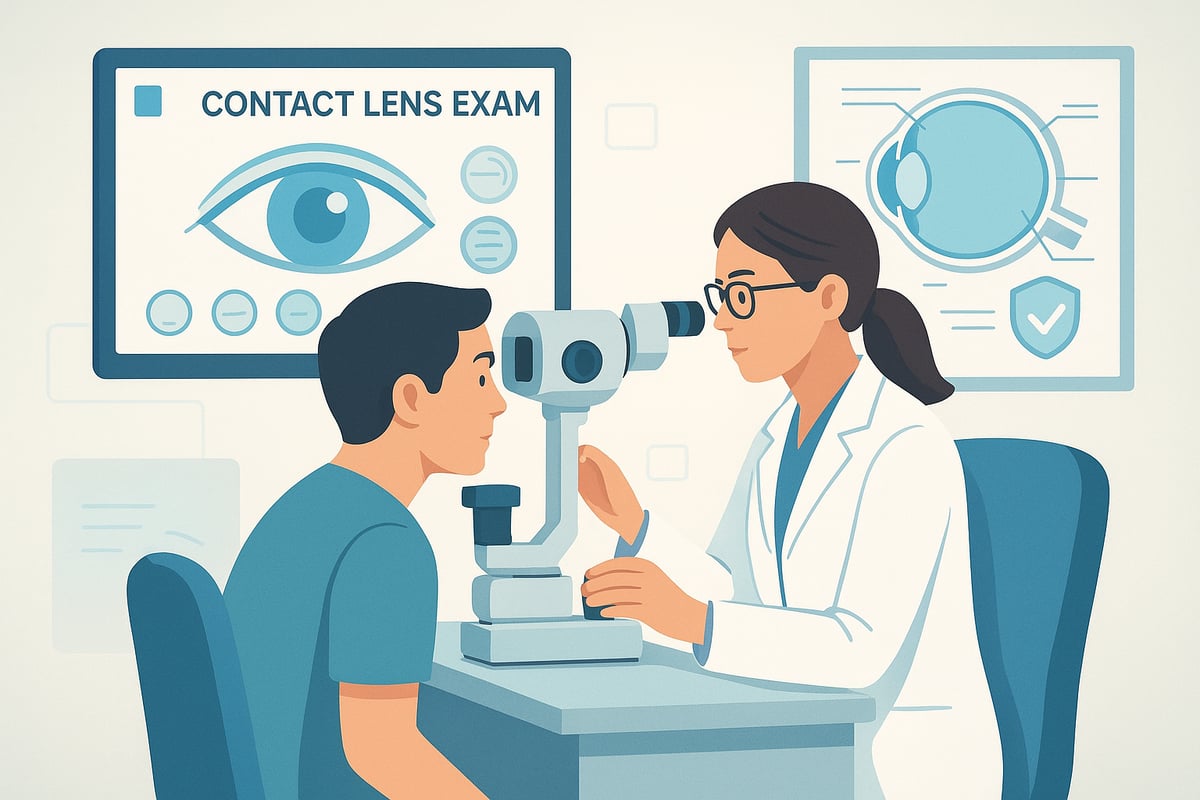
Key Differences Between Contact Lens Exams and Regular Eye Exams
Contact lens exams go beyond checking vision clarity. Unlike standard eye exams, which focus on overall eye health and glasses prescriptions, contact lens exams include special measurements and assessments to ensure safe lens wear.
Key differences include:
- Corneal curvature measurement: Determines the shape and fit for your contact lenses.
- Tear film assessment: Checks if your eyes can comfortably support lens use.
- Separate prescriptions: Your contact lens prescription often differs from your glasses prescription.
Health Canada and the Ontario Association of Optometrists (OAO) require separate exams for glasses and contact lenses. For example, a patient might have a glasses prescription that does not match what is safe or comfortable for contacts. Trial lens fitting and follow-up visits are essential, as improper fit can lead to discomfort or complications. According to the OAO, a poor fit increases the risk of problems for contact lens users.
Why Contact Lens Exams Matter for Eye Health
The importance of contact lens exams is rooted in maintaining both comfort and safety. Poorly fitted lenses can cause dry eyes, infections, or even corneal damage. Regular exams allow professionals to detect early signs of complications related to contact lens wear.
A key step in these exams is tear film analysis, which ensures your eyes are suitable for lens use. Lenses must also match your lifestyle and specific eye health needs. For instance, those managing dry eye or with changing eye shapes need periodic reassessment.
Children, teenagers, and seniors often need more frequent monitoring. Health Canada reports that routine, professional assessment of contact lens exams helps reduce the risk of infections and other complications. Early detection and proper fitting are essential for long-term eye health.
Regulatory and Safety Requirements in Ontario
Ontario has strict regulations to ensure safe and effective contact lens exams. Health Canada oversees the sale and professional fitting of contact lenses. Only licensed optometrists and ophthalmologists can prescribe contact lenses in Ontario, with clear documentation and consent requirements—especially for minors.
Key regulatory points:
- OHIP coverage: Eye exams are covered for ages 0-19 and 65+, or for those with certain medical conditions.
- Prescription renewal: Contact lens prescriptions must be updated regularly. Expiry dates are enforced to protect patient safety.
- Safety protocols: Clinics use sterile trial lenses, educate patients on hygiene, and schedule follow-ups.
For example, annual exams are often required for prescription renewal. Ontario optometrists follow guidelines that include sterile handling, hygiene education, and monitoring for complications. These steps are designed to minimize risks and support ongoing eye health.
For a detailed breakdown of what to expect during contact lens exams, including measurements, fitting, and safety standards, you can visit the Contact Lens Exams Service Details page.
Step-by-Step: What Happens During a Contact Lens Exam in 2026?
A contact lens exam in Ontario is a specialized process designed to ensure healthy and comfortable lens wear. Each step is guided by provincial regulations and clinical best practices. Understanding the stages of contact lens exams can help you prepare for your appointment and know what to expect during your visit.
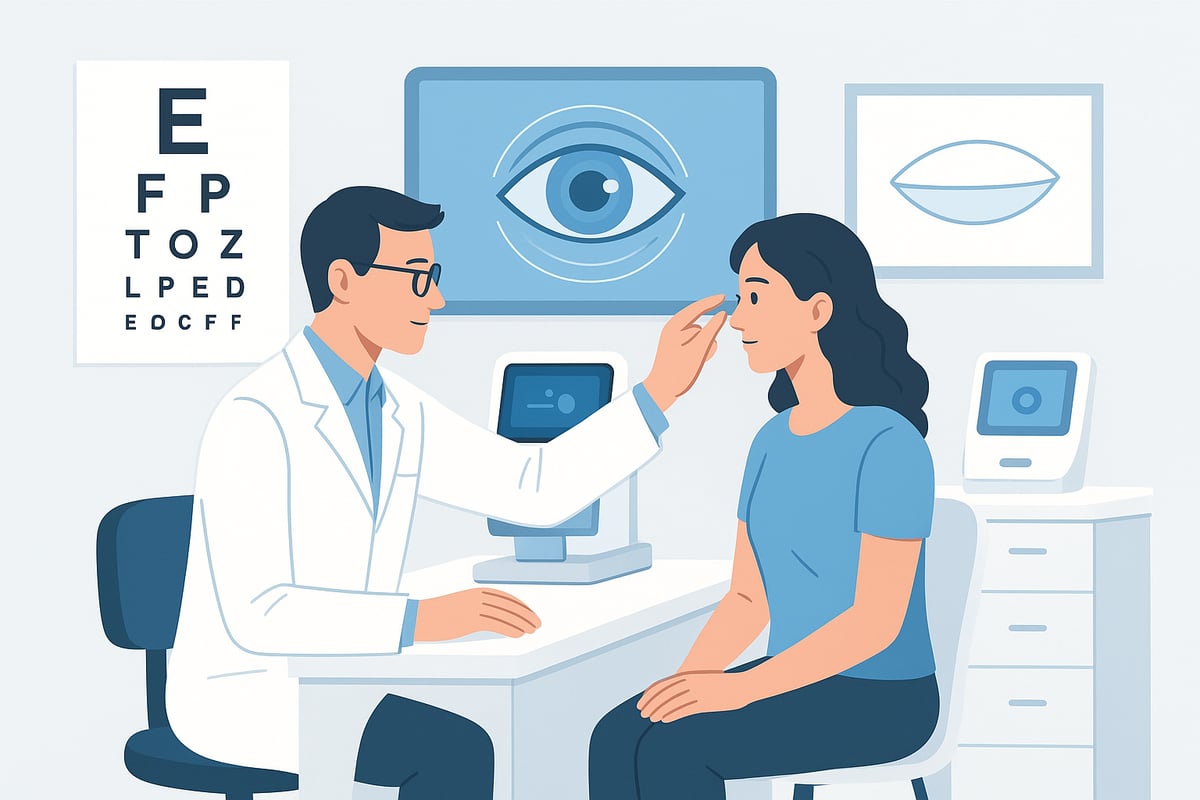
Pre-Exam Preparation and Patient History
Before the clinical part of contact lens exams begins, your optometrist will gather detailed background information. This includes your medical and ocular history, any medications, and allergies. They will ask about your previous experience with contact lenses, if any, and discuss any challenges you have faced with lens wear.
A lifestyle assessment is also important. Your optometrist will inquire about your daily activities, such as screen time, sports, or work environment. This helps determine the most suitable lens type and material. Special vision needs, like astigmatism management or myopia control, are identified early in contact lens exams to guide the fitting process.
For children and teens, parental consent is needed, and exam questions are tailored to their age and activities. Health Canada and Ontario privacy guidelines ensure your information is handled securely. By starting with a thorough history, contact lens exams are customized to your unique needs.
Eye Measurements and Ocular Health Assessment
Accurate measurements are a cornerstone of contact lens exams. Your optometrist will perform corneal topography or keratometry to map the shape and curvature of your cornea. This data is essential for selecting the proper lens size and design. Tear film evaluation checks for dryness or other conditions that could affect comfort or safety.
During the assessment, your anterior eye structures—including the conjunctiva, cornea, and eyelids—are examined using advanced diagnostic tools. Digital imaging, such as OCT and slit lamp evaluation, is increasingly used by Ontario optometrists for precise results. These steps help detect any contraindications to lens wear, such as infections or allergies.
Procedures for measurements and assessments continue to evolve. For more information about updated examination protocols, refer to NACOR Contact Lens Exam Updates. Each part of the process is designed to ensure your contact lens exams meet regulatory and safety standards.
Contact Lens Fitting and Trial Lenses
The fitting phase is where contact lens exams become highly personalized. Your optometrist selects lens types based on your measurements, eye health, and daily needs. This could include soft lenses, specialty designs, or lenses for myopia management.
Trial lenses are then provided for you to wear in the office. The optometrist observes how the lenses move on your eye, checks for comfort, and tests vision clarity. You will receive hands-on instruction on inserting, removing, and caring for the lenses. If needed, adjustments are made to the lens type or fit to optimize comfort and safety.
For complex prescriptions, such as multifocal or toric lenses, the fitting process may require additional time and attention. The trial fitting is a vital part of contact lens exams, ensuring the selected lenses are compatible with your eyes and lifestyle.
Prescription Finalization and Follow-Up Scheduling
After your trial fitting, your optometrist will assess your vision using the trial lenses. Visual acuity and refraction tests confirm that the lens prescription provides clear, comfortable vision. Only after a successful trial period is a final prescription issued.
You will discuss the recommended lens replacement schedule, whether daily, bi-weekly, or monthly. Your optometrist will set up follow-up visits, usually within one to two weeks after the initial fitting, and then annually. These appointments are essential for monitoring eye health and maintaining a proper fit.
All documentation is managed in compliance with Ontario health regulations. Regular follow-ups are proven to reduce the risk of complications and help you get the most from your contact lens exams.
Patient Education and Safety Protocols
Education is a key component of contact lens exams. You will receive detailed instructions on hygiene, lens cleaning, and storage. Proper handwashing before handling lenses is emphasized, and you will learn about the risks of improper use, such as sleeping in lenses or swimming while wearing them.
Your optometrist will review signs of potential complications, like redness, pain, or blurred vision, and provide emergency contact information. Many Ontario clinics offer written care guides and resources to help you stay safe and comfortable. By following these protocols, you can protect your eye health between contact lens exams.
Types of Contact Lenses Available in 2026
With advancements in eye care and evolving regulations in Ontario, the range of contact lenses has expanded to suit different needs. During contact lens exams, your optometrist will recommend lenses based on your eye health, vision requirements, and lifestyle. Understanding the main categories of lenses available in 2026 helps you make informed choices for safe, comfortable wear.
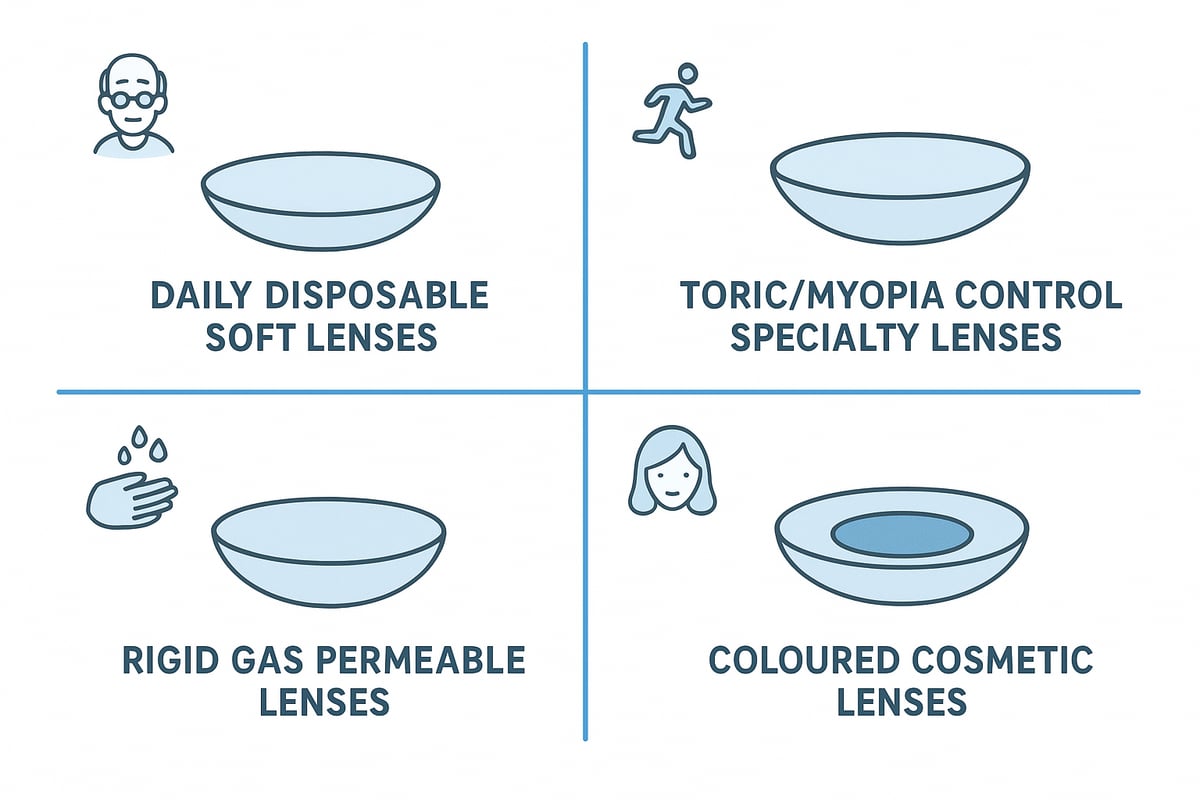
Soft Contact Lenses: Daily, Bi-Weekly, and Monthly Options
Soft contact lenses remain the most commonly prescribed option during contact lens exams in Ontario. These lenses are made from hydrogel or silicone hydrogel materials, offering high oxygen permeability and flexibility. Daily disposable lenses are designed for single use, making them ideal for those seeking convenience and a lower risk of infection. Bi-weekly and monthly lenses are reusable, requiring regular cleaning and safe storage.
For children, teens, and adults with busy schedules or allergies, daily disposables are especially popular. Many Ontario optometrists recommend them for young wearers or those prone to eye irritation. Bi-weekly and monthly lenses may be more cost-effective for regular users, but proper hygiene is essential to minimize complications. Health Canada emphasizes that lens choice and replacement schedule should always be determined through professional contact lens exams.
Specialty Lenses: Toric, Multifocal, and Myopia Control
Some patients need specialty lenses to address specific vision needs, which are identified during contact lens exams. Toric lenses are designed for astigmatism and require custom fitting to ensure stability and clarity. Multifocal lenses help manage presbyopia by blending different prescriptions in one lens, supporting clear vision at all distances.
Myopia control lenses, such as MiYOSMART®, are increasingly prescribed for children to help manage the progression of nearsightedness. Optometrists in the Durham region report a steady rise in demand for these lenses, especially for pediatric patients. To learn more about the latest options in myopia management, visit Myopia Control and Specialty Lenses. Regular specialty lens assessments during contact lens exams ensure that the chosen lenses continue to meet your evolving visual and health needs.
Rigid Gas Permeable (RGP) and Hybrid Lenses
Rigid Gas Permeable (RGP) lenses, while less commonly prescribed than soft lenses, play a vital role in contact lens exams for certain patients. These lenses are made from durable materials that allow oxygen to reach the cornea, making them suitable for individuals with high prescriptions or irregular corneas. Hybrid lenses combine the clarity of an RGP center with the comfort of a soft lens skirt.
RGP and hybrid lenses require a longer adaptation period compared to soft lenses, so optometrists provide thorough education and follow-up. Patients with conditions like keratoconus or significant astigmatism may benefit most from these designs. During contact lens exams, digital imaging and precise corneal measurements help ensure an optimal fit and minimize the risk of discomfort or complications.
Coloured and Cosmetic Contact Lenses: Regulations and Risks
Coloured and cosmetic contact lenses are regulated as medical devices by Health Canada, meaning a valid prescription is required for all lens types, even for cosmetic purposes. During contact lens exams, optometrists assess eye health and ensure proper lens fit before prescribing coloured lenses.
Purchasing cosmetic lenses without a prescription increases the risk of infection, injury, or allergic reactions. Ontario clinics have seen stricter enforcement of prescription-only sales to protect public safety. Patients are educated about safe usage, hygiene, and the importance of regular follow-up care. Choosing cosmetic lenses through professional contact lens exams helps prevent complications and supports long-term eye health.
Costs, Insurance, and OHIP Coverage for Contact Lens Exams
Understanding the costs and coverage for contact lens exams in Ontario helps you plan your eye care budget effectively. Fees vary depending on the type of exam, your insurance plan, and provincial coverage. Knowing what to expect ensures you can access the right services and maintain healthy vision with contact lenses.
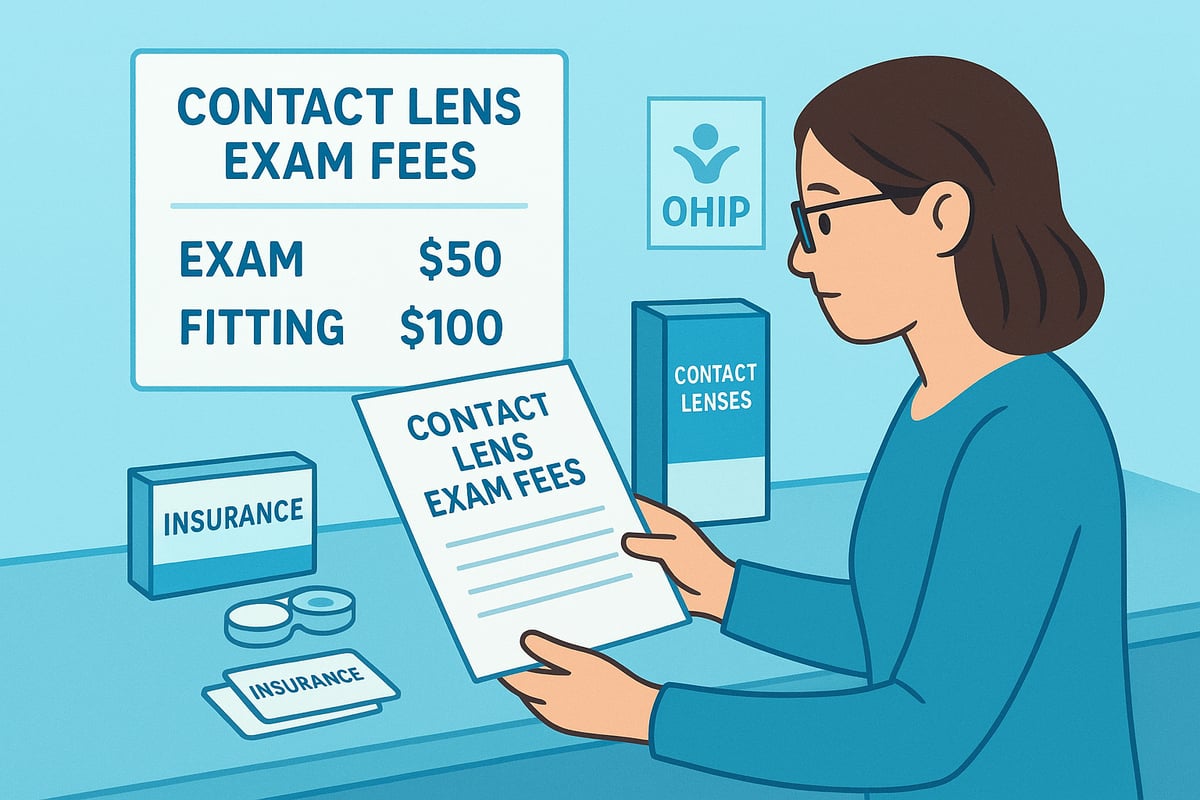
Breakdown of Contact Lens Exam Costs in Ontario
Contact lens exams in Ontario typically range from $80 to $150. The exact cost depends on the provider, exam complexity, and whether specialty lens fittings are required. Advanced diagnostics, such as corneal topography or digital imaging, may result in additional fees.
Children and seniors in Ontario may qualify for partial coverage through OHIP, but adults aged 20 to 64 usually pay out of pocket unless there is a specific medical need. Specialty fittings, such as for toric or multifocal lenses, often carry extra charges.
Here is a quick summary table:
| Service Type | Typical Fee | Coverage |
|---|---|---|
| Standard exam (adults) | $80–$150 | Not OHIP covered |
| Children/seniors exam | $0–$80 | Partial OHIP |
| Specialty lens fitting | +$30–$100 | Not OHIP covered |
Contact lens exams are an important investment in your eye health, especially when considering the costs of ongoing lens wear and care.
Insurance and Direct Billing Options
Many private vision insurance plans in Ontario cover contact lens exams, as well as the cost of lenses themselves. Coverage details vary, so it is important to check your policy for frequency limits, co-payments, and eligible products. Some plans offer annual allowances for lenses or discounts when purchasing through partner clinics.
Most optometry clinics in Durham and Oshawa provide direct billing, making it easier to use your benefits without paying upfront. Always confirm which services are included and ask if specialty lens fittings or advanced diagnostics are covered under your plan.
For families with multiple contact lens wearers, insurance can help manage recurring costs. Contact lens exams are often included in annual vision care benefits, helping you maintain regular checkups without unexpected expenses.
OHIP and Provincial Coverage Rules
OHIP covers eye exams for Ontario residents aged 0 to 19 and 65 and older, as well as those with certain medical conditions. However, contact lens fitting fees are generally not included, so these are paid out of pocket or by insurance. Patients with medical eye conditions, such as keratoconus, may receive additional support for assessments and fittings.
For a detailed explanation of what is and is not covered, the Are Eye Exams Covered by OHIP? resource outlines the nuances of OHIP rules for eye and contact lens exams. Pediatric myopia control assessments may receive partial support, especially for children with progressive vision changes.
Contact lens exams require periodic renewal, and OHIP eligibility rules can affect how often you are covered. Always verify your eligibility before booking an appointment.
Saving on Contact Lenses: Rebates, Bundles, and Tax Benefits
There are several ways to save on contact lens exams and ongoing lens costs. Many manufacturers offer rebates or promotions for annual lens purchases, which can reduce your overall expense. Clinics may provide bundled packages that include your exam, fitting, trial lenses, and follow-up visits at a discounted rate.
Using a Health Spending Account (HSA) or Flexible Spending Account (FSA) can help you pay for eligible expenses, including contact lens exams and prescription lenses. The Canada Revenue Agency allows you to claim medical expense tax credits for prescription eyewear, further lowering your total cost.
Ask your provider about current promotions or package pricing, especially if you are a new contact lens wearer in Ontario. These strategies help make regular contact lens exams more affordable and accessible.
Aftercare, Follow-Ups, and Long-Term Eye Health with Contacts
Proper aftercare is essential to maintaining eye health and comfort for contact lens wearers in Ontario. Staying proactive with follow-ups, understanding potential complications, and practicing safe habits all help protect your vision for years to come.
The Importance of Regular Follow-Up Exams
Ongoing follow-up visits are a vital part of contact lens exams for every age group. These checkups allow your optometrist to monitor lens fit, eye health, and any changes in your vision that may affect your prescription.
Regular exams can help detect early signs of issues such as dryness, infections, or lens intolerance before they become serious. For children and teens, more frequent appointments may be needed due to rapid changes in eye shape or prescription.
Ontario Association of Optometrists (OAO) recommends yearly contact lens exams for most wearers. Staying on schedule with follow-ups protects your eyes and ensures your lenses continue to meet your needs.
Common Complications and How to Manage Them
Contact lens exams are designed to prevent and manage complications that can arise from lens use. Some of the most common problems include dry eye, allergic reactions, infections, and general discomfort.
Dry eye symptoms may be managed by switching to lenses designed for moisture retention or by using lubricating drops recommended by your optometrist. Allergic reactions can sometimes be resolved by changing lens material or cleaning solutions.
Infections require prompt attention. Watch for signs like redness, pain, or blurred vision, and contact your eye care provider if these occur. Increased device use can also contribute to dryness and irritation, making regular contact lens exams even more important.
Safe Lens Wear: Hygiene, Storage, and Replacement Schedules
Good hygiene and proper care routines are essential for safe contact lens wear. Always wash your hands thoroughly before handling lenses and follow your optometrist’s instructions for cleaning and storing reusable lenses.
Replace your contacts as directed, whether they are daily, bi-weekly, or monthly. Never wear lenses longer than recommended, and avoid water exposure from swimming or showering with lenses in.
Ontario clinics often provide written care guides and emergency numbers. For more educational resources on safe lens use and aftercare, visit Comprehensive Eye Health Information.
Children and Teens: Special Considerations for Young Wearers
Children and teens benefit from tailored contact lens exams that consider their active lifestyles and unique needs. Parental supervision is important, especially for new wearers, to reinforce correct hygiene and care habits.
Daily disposable lenses are often a practical choice for younger patients, offering convenience and reducing infection risks. Pediatric optometrists in Durham may recommend myopia control strategies to help manage vision changes as children grow.
Ongoing education and regular monitoring through contact lens exams help young wearers maintain healthy eyes and build lifelong safe habits.
Choosing the Right Optometrist for Contact Lens Exams in Durham
Selecting the right provider for contact lens exams is essential for your long-term eye health. In Durham, optometrists must follow Ontario regulations, ensuring safe and effective care. Always confirm your optometrist is licensed and knowledgeable about the latest lens types for all age groups. Look for clinics that use advanced equipment to assess eye health and lens fit. Patient education and regular follow-up visits should be part of their approach. For more details on legal requirements, see Ontario Contact Lens Fitting Regulations, which outline who can perform contact lens exams and the standards they must meet.
Durham Vision Care: Comprehensive Contact Lens Exams in Oshawa
Durham Vision Care in Oshawa offers comprehensive contact lens exams for both adults and children. The clinic provides professional fitting, trial lenses, and personalized care plans tailored to each patient’s needs. Using advanced diagnostic tools, their optometrists assess ocular health and lens suitability with precision. Patients can choose from a wide range of soft, specialty, and myopia control lenses. The team emphasizes patient education, ensuring every wearer understands safe lens use and aftercare. Direct insurance billing and regular follow-up visits make ongoing eye health convenient for those seeking contact lens exams in the Durham region.
Questions to Ask Your Optometrist Before Your Exam
Before your contact lens exams, prepare a few important questions to help guide your visit. Asking about the types of contact lenses suitable for your vision and lifestyle is key. Find out how often you should return for follow-up appointments and whether additional fees apply for specialty lens fitting or advanced measurements. Discuss hygiene and care instructions specific to your chosen lenses. If you spend significant time on digital devices, bring this up with your optometrist to explore lens options that support comfortable wear during screen use. These conversations ensure your contact lens exams address your unique needs.
Local Resources and Support for Contact Lens Wearers
Durham region residents have access to helpful resources for contact lens exams and ongoing care. The Ontario Association of Optometrists (OAO) provides information about safe lens use and can help you find qualified providers. Health Canada guidelines support proper hygiene and follow-up care. Community clinics and school screening programs offer additional support, especially for children and teens. Many Durham clinics now provide myopia management consultations, helping young wearers manage vision changes. According to Canadian Vision Care Consumer Trends, interest in contact lens exams and specialty lenses continues to grow across Ontario.
Now that you understand what sets a contact lens exam apart and how important it is for your long-term eye health, the next step is ensuring you get the care and expertise you deserve. At Durham Vision Care, you’ll find a dedicated team ready to guide you through every stage—from precise measurements and personalized lens fitting to ongoing support and education. If you’re ready to experience clearer, more comfortable vision and proactive eye health management, we invite you to take the next step and Book an Appointment with our trusted optometrists in Oshawa.






Recent Comments