
In Ontario, 2026 brings new challenges for vision health. With rising screen time, an aging population, and shifting environmental conditions, prioritizing eye care first has never been more important. According to Health Canada and the Ontario Association of Optometrists, common vision problems can disrupt learning, work, and daily tasks for people of all ages.
This guide is designed to put eye care first by sharing practical, evidence-based tips for maintaining healthy vision. You will discover the essentials of eye health, daily protective habits, smart nutrition, digital eye strain solutions, preventive care strategies, and how to recognize when professional help is needed.
Understanding Eye Health: Basics Every Ontarian Should Know
Taking an eye care first approach means understanding how your eyes work and what puts them at risk. In Ontario, eye health is shaped by lifestyle, environment, and genetics, making awareness vital for every resident.
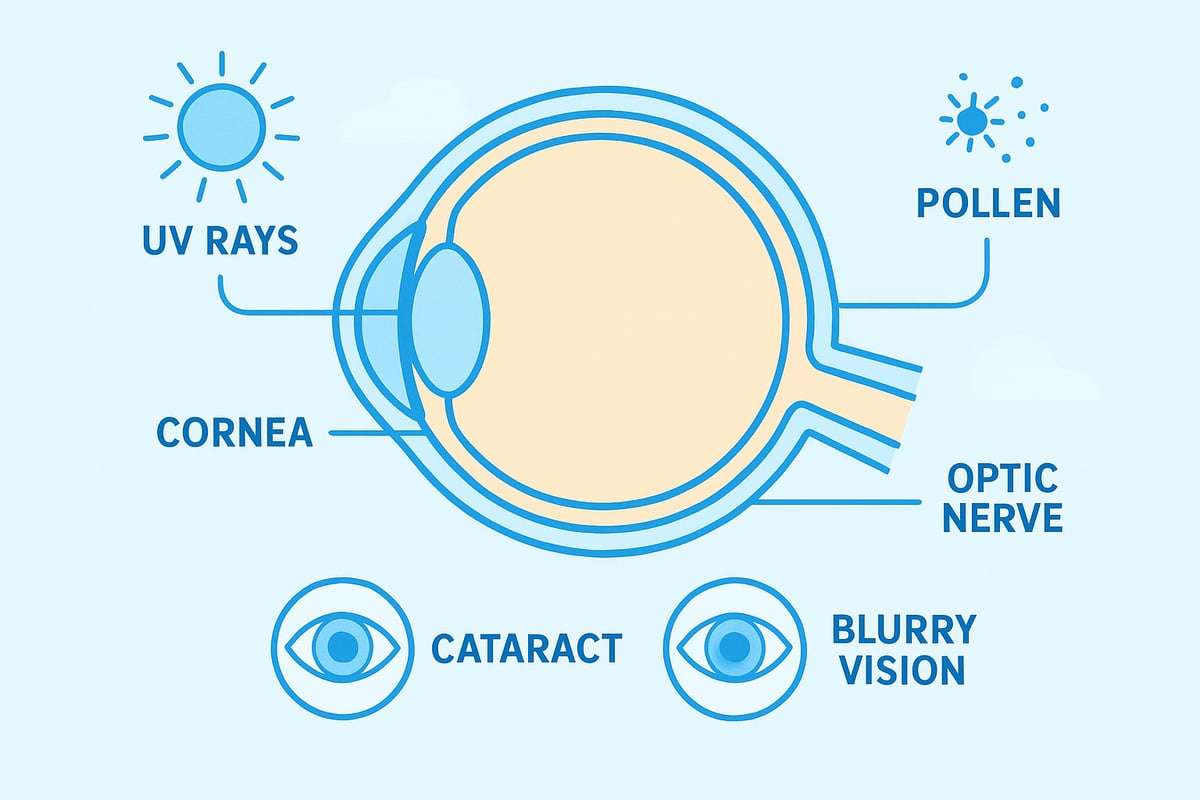
Anatomy of the Eye: The Building Blocks of Vision
The eye is a complex organ with several essential parts working together for clear sight. Here is a quick overview:
| Structure | Function |
|---|---|
| Cornea | Focuses light entering the eye |
| Lens | Adjusts focus for near and distant vision |
| Retina | Converts light into electrical signals |
| Optic Nerve | Transmits signals from retina to the brain |
Common Vision Problems: What Ontarians Should Know
Vision changes can occur at any age. Here are some of the most common issues:
| Condition | Description | Common Signs |
|---|---|---|
| Myopia | Nearsightedness, blurry distance vision | Squinting, sitting close |
| Hyperopia | Farsightedness, blurry near vision | Eye strain, headaches |
| Astigmatism | Irregular cornea shape, blurred vision | Distorted images, eye fatigue |
| Presbyopia | Age-related difficulty focusing up close | Holding books farther away |
Recognizing these changes early supports an eye care first mindset, preventing complications and supporting daily activities.
How Vision Changes with Age
Vision develops and shifts throughout life. Children may develop refractive errors as they grow, while adults face presbyopia or other age-related challenges. In Ontario, OHIP covers routine eye exams for those ages 0 to 19 and 65 and older, helping support regular monitoring during the most important life stages. Prioritizing eye care first at every age ensures vision needs do not go unnoticed.
Eye Diseases: Early Awareness Matters
Ontarians are at risk for several eye diseases that can impact vision and quality of life:
- Glaucoma: Increased pressure in the eye can damage the optic nerve.
- Cataracts: Cloudy areas in the lens lead to blurred vision.
- Diabetic Retinopathy: High blood sugar damages blood vessels in the retina.
- Macular Degeneration: Deterioration of the central retina reduces sharp vision.
The Role of Genetics and Family History
A family history of eye conditions can raise your risk for certain diseases. If your parents or siblings have vision problems, make eye care first a priority with more frequent checkups and open discussions with your optometrist.
Environmental Risks Unique to Ontario
Ontario residents face environmental factors that can threaten eye health:
- UV exposure from sunlight, especially during summer
- Airborne allergens such as pollen and dust
- Fluctuating air quality in urban and rural areas
Using sunglasses, managing allergies, and monitoring air quality can help you put eye care first every season.
Early Detection and Regular Eye Exams: Ontario Guidelines
Routine eye exams are essential for detecting problems before they worsen. According to the Ontario Association of Optometrists, early intervention helps manage vision changes, supports learning in children, and protects independence in seniors. Prevalence data from Ontario eye health statistics 2025 shows that vision impairment affects thousands across the province, making prevention and proactive care critical.
Staying informed and adopting an eye care first approach ensures you protect your sight, stay independent, and enjoy every stage of life with confidence.
Daily Habits for Lifelong Healthy Vision
Adopting an "eye care first" mindset in your daily routine is one of the most effective ways to maintain healthy vision throughout life. In Ontario, increased screen time, environmental changes, and busy schedules mean that small, consistent habits can have a meaningful impact on your eye health.
Wear Protective Eyewear
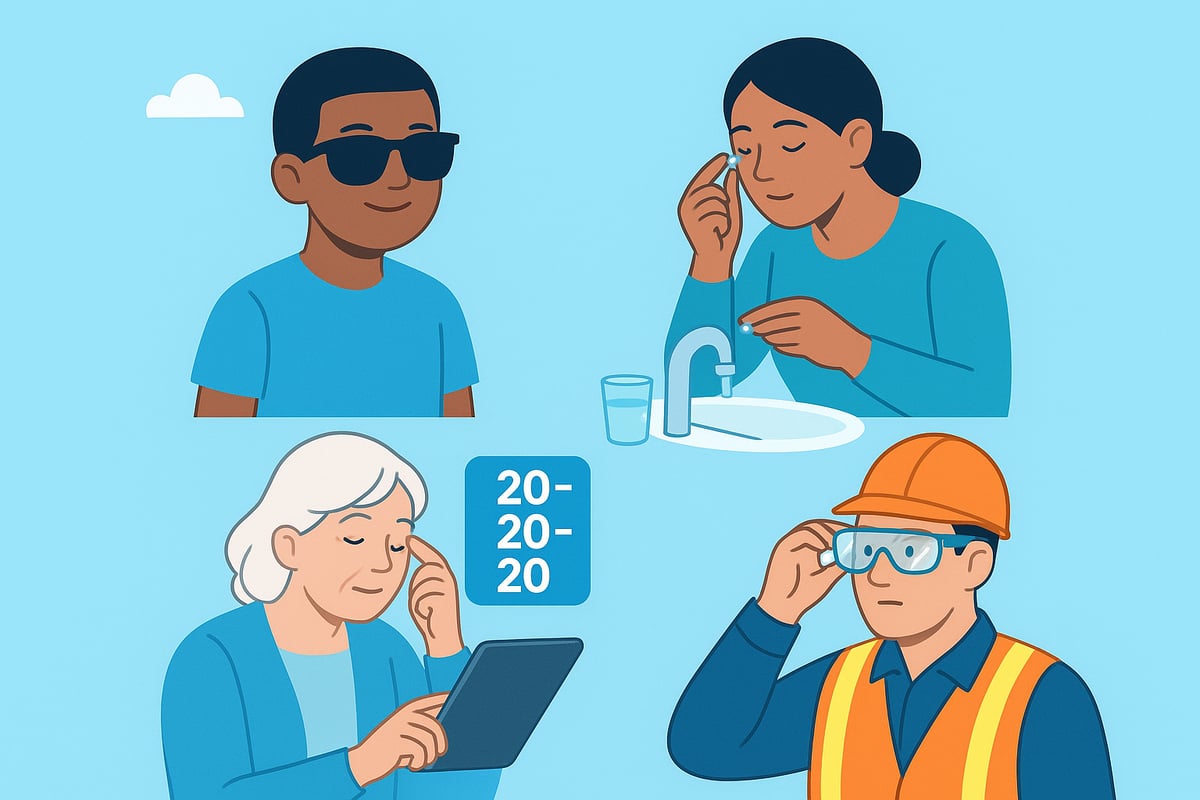
Shielding your eyes from hazards is a core part of the eye care first philosophy. Sunglasses with 100 percent UVA and UVB protection help defend against Ontario’s strong sunlight, reducing the risk of cataracts and macular degeneration. When working with tools, playing sports, or engaging in activities where debris or chemicals are present, use safety glasses or goggles designed for the task.
Practice Proper Contact Lens Hygiene
If you wear contact lenses, always wash your hands before handling them. Clean and store lenses using fresh solution, never tap water. Replace lenses according to your optometrist’s recommendations, and never sleep in lenses unless specifically prescribed. These steps help prevent infections and support your eye care first routine.
Avoid Rubbing Your Eyes
Frequent eye rubbing can introduce bacteria and allergens, leading to irritation or even minor injuries. If your eyes feel itchy or uncomfortable, try using artificial tears or a clean, cool compress. This simple adjustment supports the eye care first approach by reducing the risk of infection and inflammation.
Keep Hands Clean
Hand hygiene is essential for preventing eye infections such as conjunctivitis. Wash your hands regularly, especially before touching your eyes, applying drops, or adjusting glasses and contact lenses. This habit is a cornerstone of the eye care first strategy for all ages.
Follow the 20-20-20 Rule for Screen Use
Digital screens are a part of daily life, but extended use can strain your eyes. The 20-20-20 rule—every 20 minutes, look at something 20 feet away for 20 seconds—helps reduce fatigue and dryness. For more details on managing symptoms and prevention, see Understanding digital eye strain. Integrating this rule into your routine is a practical way to put eye care first, especially for students and office workers in Ontario.
Use Adequate Lighting
Reading or working in poor lighting can make your eyes work harder. Ensure your workspace is well-lit, with light sources positioned to avoid glare and shadows. This small change can help reduce eye strain and is a key element of the eye care first mindset at home and in the workplace.
Prioritize Sleep for Eye Health
Sufficient sleep allows your eyes to rest and repair. Aim for 7 to 8 hours each night as recommended by health professionals. Chronic sleep deprivation may contribute to dry eyes and blurred vision, making rest an important part of your eye care first daily routine.
Stay Hydrated and Blink Often
Ontario’s climate and indoor environments with heating or air conditioning can dry out your eyes. Drink plenty of water and consciously blink when using screens or reading. This helps maintain tear production and comfort, supporting your eye care first habits throughout the year.
Summary Table: Daily Eye Care First Habits
| Habit | Why It Matters | Eye Care First Benefit |
|---|---|---|
| Protective Eyewear | Blocks UV rays, prevents injury | Lowers risk of damage |
| Contact Lens Hygiene | Prevents infection | Keeps eyes healthy |
| Avoid Eye Rubbing | Reduces irritation | Limits risk of inflammation |
| Hand Hygiene | Prevents spread of germs | Lowers infection risk |
| 20-20-20 Rule | Relieves digital eye strain | Reduces fatigue, dryness |
| Adequate Lighting | Minimizes eye strain | Supports clear vision |
| Sleep | Allows eyes to rest | Promotes recovery |
| Hydration & Blinking | Maintains tear film | Prevents dry eyes |
Developing these practical habits and keeping "eye care first" at the forefront of your daily choices can help protect your vision at every age. Small changes add up, and by making eye health a priority, you are investing in your quality of life both now and in the future.
Nutrition and Eye Health: What to Eat for Better Vision
Nutrition is a cornerstone of an eye care first approach. The right foods can help protect your eyes from common vision problems and support clarity at every age. In Ontario, where dietary habits and food access can vary, knowing what to eat for healthy vision is especially relevant.
Key Nutrients for Eye Health
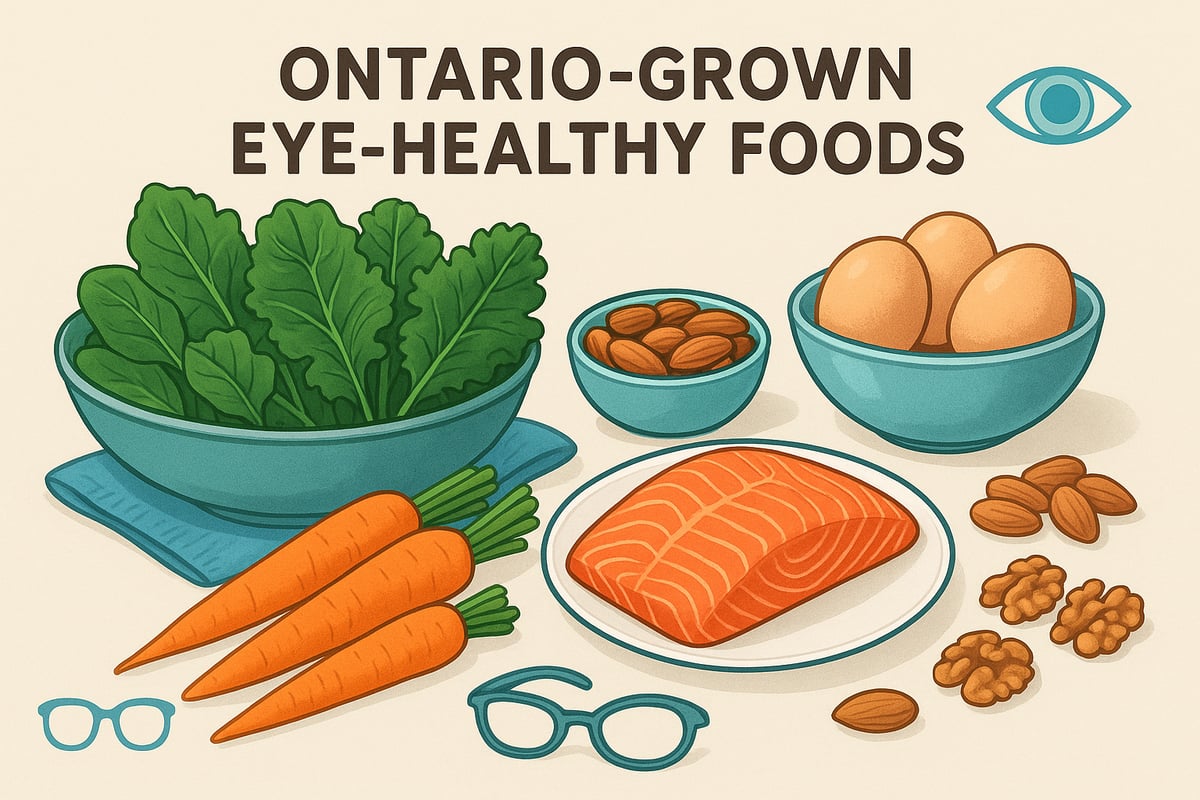
Several nutrients have been identified as vital for keeping eyes healthy. These include vitamin A, vitamin C, vitamin E, zinc, lutein, zeaxanthin, and omega-3 fatty acids. Each plays a unique role in the eye care first strategy.
| Nutrient | Food Sources | Benefit for Eyes |
|---|---|---|
| Vitamin A | Carrots, sweet potatoes, eggs | Supports cornea health, night vision |
| Vitamin C | Bell peppers, oranges, berries | Antioxidant, helps prevent cataracts |
| Vitamin E | Almonds, sunflower seeds | Protects cells from oxidative damage |
| Zinc | Beef, pumpkin seeds, legumes | Aids vitamin A absorption, retina support |
| Lutein/Zeaxanthin | Leafy greens, corn, eggs | Filters blue light, protects retina |
| Omega-3s | Salmon, sardines, flaxseed | Supports tear production, retina health |
Including these foods in your daily meals forms the foundation of an eye care first routine.
How Nutrition Supports Eye Structure and Function
Proper nutrition helps maintain every part of the eye. Vitamin A is essential for the cornea and night vision. Antioxidants like vitamin C and E fight free radicals that can damage the lens and retina. Zinc works with vitamin A to support the retina and may help delay age-related changes.
Lutein and zeaxanthin are found in the macula, the part of the eye responsible for sharp vision. Omega-3 fatty acids help keep eyes moist and comfortable, which is important in heated or air-conditioned Ontario environments.
Dietary Considerations by Age and Lifestyle
Children and seniors in Ontario have special nutritional needs. Growing eyes require vitamin A, C, and zinc. For seniors, antioxidants and omega-3s help manage age-related changes and dry eyes.
Hydration is another key part of an eye care first lifestyle. Drinking enough water supports tear production, which helps prevent dry, irritated eyes.
Local Food Access and Supplements
Ontario offers a range of local foods rich in eye-healthy nutrients. Farmers’ markets and grocery stores often stock fresh leafy greens, berries, and fish. Statistics from Health Canada and the OAO show that many Ontarians could benefit from increasing these foods in their diets.
Supplements may be considered if dietary intake is lacking, but always consult a qualified professional before starting any new regimen.
For more detailed information on foods and nutrients that support vision, see this Nutrition and eye health guide.
Prioritizing nutrition is a practical way to put eye care first. With a balanced diet, proper hydration, and professional guidance, you can help manage your long-term vision health.
Preventive Care: Protecting Your Eyes from Injury and Disease
Prioritizing preventive care is the foundation of an effective eye care first approach. In Ontario, residents face a range of risks that can impact vision, from workplace hazards to chronic health conditions. Understanding these risks, and taking proactive steps, helps maintain healthy eyes at every age.

Preventing Eye Injuries in Everyday Life
Eye injuries can occur unexpectedly at work, during sports, or even at home. Common causes in Ontario include flying debris, chemicals, and accidental impacts.
| Source of Injury | Prevention Tip |
|---|---|
| Workplace tools | Wear CSA-approved safety glasses |
| Sports equipment | Use sport-specific goggles |
| Cleaning products | Avoid touching eyes, wash hands |
| Home repairs | Use protective eyewear |
Adopting an eye care first mindset means always considering safety before starting tasks. Choose the right protective gear for each activity, and never underestimate the importance of simple precautions.
Shielding Your Eyes from Environmental Risks
Ontario’s environment presents unique challenges. UV rays from sunlight can increase the risk of cataracts and other eye issues. Wear sunglasses with 100% UVA and UVB protection and a wide-brimmed hat when outside. Limit exposure during peak sunlight hours, especially in summer.
Allergens such as pollen and dust can trigger eye irritation. Keep windows closed during high pollen counts and use air purifiers indoors. Practicing eye care first includes being aware of seasonal changes and protecting your eyes accordingly.
Managing Health Factors for Vision Protection
Chronic conditions like diabetes and hypertension can affect vision health over time. Managing these conditions through regular checkups and prescribed treatments is key. Smoking is another risk factor, as it increases the chance of developing cataracts and macular degeneration. Quitting smoking supports an eye care first approach to long-term vision health.
Regular screenings are essential, especially for those with a family history of eye disease or seniors. Routine eye exams help detect problems early. Learn more about why regular eye exams matter and how they support preventive care by visiting Why regular eye exams matter.
Community Resources and Preventive Eye Care
Ontario residents have access to a range of resources and public health initiatives that promote eye health. Community clinics, public awareness campaigns, and school-based screenings all play a role in supporting an eye care first strategy.
If you have concerns about your eyes or are at higher risk due to age or health history, reach out to local optometrists or public health services. Staying informed and proactive ensures you are always putting eye care first in your daily life.
When to Seek Professional Help: Recognizing Eye Emergencies and Warning Signs
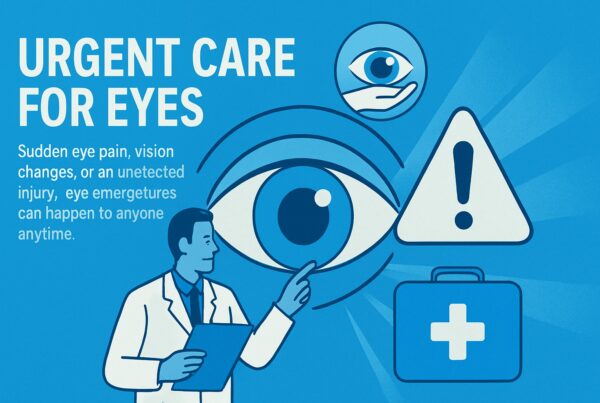
Knowing when to seek professional help is a vital part of the eye care first approach. Acting quickly can help manage vision changes, protect eye health, and avoid lasting complications. In Ontario, understanding the warning signs and available resources ensures you get the right care at the right time.
Recognizing Urgent Eye Symptoms
Some eye symptoms require immediate attention. If you experience any of the following, contact an optometrist or medical professional right away:
- Sudden vision loss in one or both eyes
- Flashes of light or a sudden increase in floaters
- Severe eye pain or redness
- Double vision or loss of peripheral vision
- Sudden onset of severe headache with vision changes
These signs may indicate retinal detachment, acute glaucoma, or other conditions that need urgent assessment. Adopting an eye care first mindset means never ignoring these warning signals.
Red Flags for Children and Seniors
Children may not always communicate vision problems clearly. Watch for signs such as squinting, covering one eye, frequent headaches, or difficulty focusing in school. For more details, see the Signs of poor vision in children resource. Seniors should be alert to gradual vision changes, increased falls, or trouble recognizing faces. Both groups benefit from regular checkups as part of a proactive eye care first plan.
Urgent vs. Non-Urgent Symptoms
Not all symptoms require immediate care, but they still deserve attention. Non-urgent signs include mild dryness, eye fatigue, or minor irritation. However, if these symptoms persist or worsen, book an exam soon. Always prioritize urgent care if symptoms are sudden, severe, or accompanied by pain.
Preparing for Your Eye Appointment
To make the most of your visit, bring the following:
- A list of current medications and supplements
- Family history of eye diseases
- Notes on recent symptoms and their timeline
- Your glasses or contact lenses
This preparation supports a thorough eye care first assessment and helps your optometrist identify risks or patterns.
Ontario Guidance and Accessing Urgent Care
Ontario residents can access urgent eye care through local clinics, hospitals, or optometry offices. Be aware of changes to coverage and eligibility. For updated information, review the OHIP eye exam eligibility changes 2023 resource. Knowing your options ensures your eye care first strategy is effective and timely.
Ongoing Management and Follow-Up
Optometrists play a central role in managing chronic conditions like diabetes or hypertension that affect vision. Schedule regular follow-ups, monitor your symptoms, and maintain open communication about any changes. Consistent eye care first practices help protect vision at every stage of life.
Prompt action, preparation, and awareness are essential. When in doubt, choose the eye care first path and consult a professional. Your vision deserves attentive, informed care.
As you’ve seen, taking care of your eyes is essential in today’s world, especially with more screen time and changing lifestyles in Ontario. By understanding your eye health and adopting healthy daily habits, you’re already making important strides toward lasting vision. But sometimes, personalized care and expert guidance are exactly what you need to stay on top of your eye health or address specific concerns. If you’re ready to take the next step, you can easily Book an Appointment with Durham Vision Care and ensure your vision stays clear and healthy for years to come.





Recent Comments