
As screen time becomes a constant part of life in Ontario, maintaining healthy vision is more important than ever. Modern demands call for updated approaches, and neo vision eye care offers an integrative, evidence-based way to protect and improve eyesight.
This guide brings together expert perspectives for 2026, from new technologies to preventive strategies and regulatory updates specific to Ontario. You will find clear steps for everyday vision care, learn about advanced treatments, and discover advice tailored for both children and seniors.
Whether you are managing your own eye health or supporting your family, this resource is designed to help you make informed choices.
Understanding Neo Vision Eye Care: Foundations and Key Concepts
Neo vision eye care represents a modern, integrative approach that blends advanced technology with a patient-focused philosophy. This model is built on the idea that optimal vision health requires comprehensive, ongoing assessment tailored to each person’s needs. In Ontario, neo vision eye care draws from evidence-based guidelines set by Health Canada and the Ontario Association of Optometrists, ensuring that care remains current, safe, and effective.
Over the past decade, eye care in Ontario has evolved considerably. Standards now emphasize prevention, early detection, and the use of digital tools for both diagnosis and monitoring. Increased use of digital devices in daily life has brought new challenges, such as digital eye strain and worsening of conditions like dry eye. Environmental factors, including urban pollution and prolonged exposure to screens, have become significant contributors to vision health concerns across all age groups.
Regular comprehensive eye exams are the cornerstone of neo vision eye care. These exams are recommended for all age groups, with frequency tailored to individual risk factors and life stages. For instance, OHIP covers annual exams for children (0-19 years) and seniors (65+). Early detection is essential in managing conditions such as myopia, glaucoma, and diabetic retinopathy. To learn more about the benefits and process of regular exams, you can visit the Comprehensive Eye Exams Guide.
Advanced diagnostic tools play a crucial role in this approach. Optical Coherence Tomography (OCT) scans, retinal imaging, and other non-invasive technologies are now commonly available in Ontario clinics. These tools help optometrists catch changes in the retina or optic nerve before symptoms appear, supporting prompt intervention and improved outcomes.
Recent data from Health Canada show that vision impairment remains a significant issue in Ontario, affecting people of all ages. Early detection and intervention, guided by neo vision eye care principles, can help manage the risk. Personalized care plans are increasingly important, as factors like lifestyle, genetics, and work environment influence both risk and management strategies. By focusing on these foundations, neo vision eye care aims to support lifelong vision health for all Ontarians.
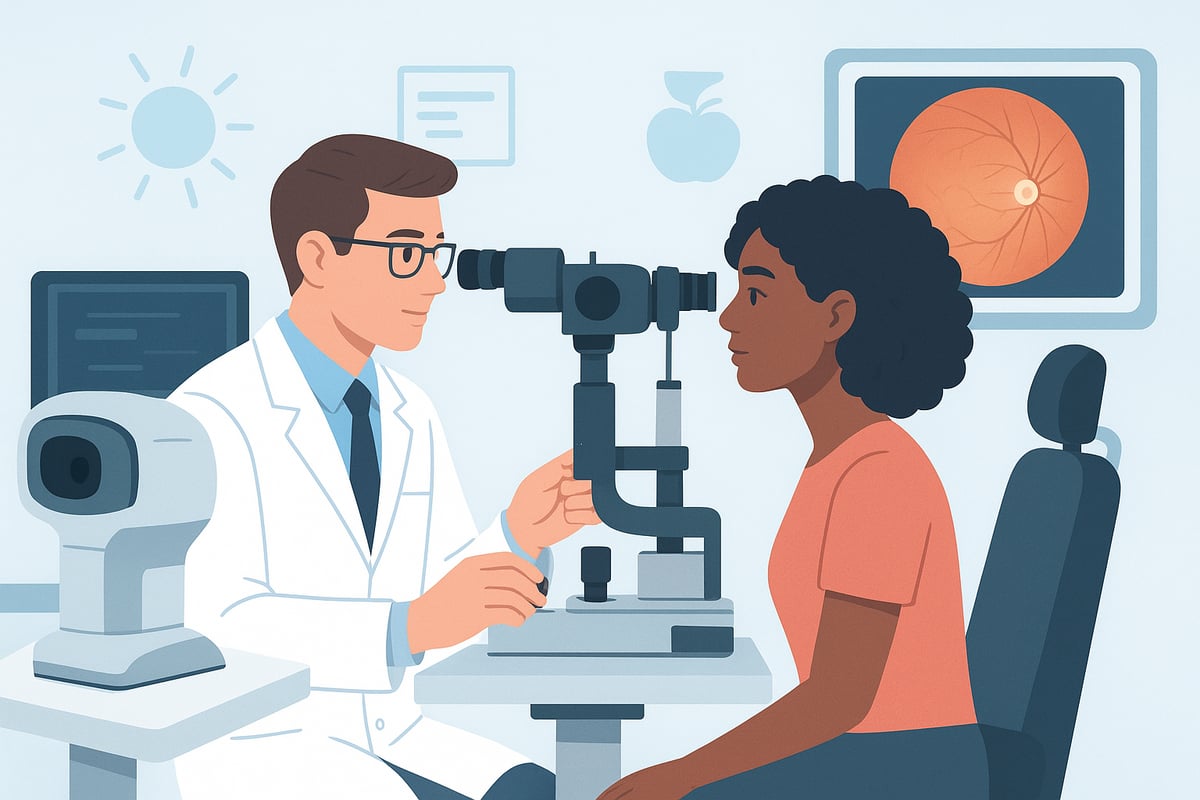
Step-by-Step Guide to Maintaining Eye Health in 2026
Taking a proactive approach to neo vision eye care helps you protect your eyesight now and in the future. This step-by-step guide outlines essential actions for Ontario residents to maintain healthy vision, integrating the latest guidance and technology-driven strategies.
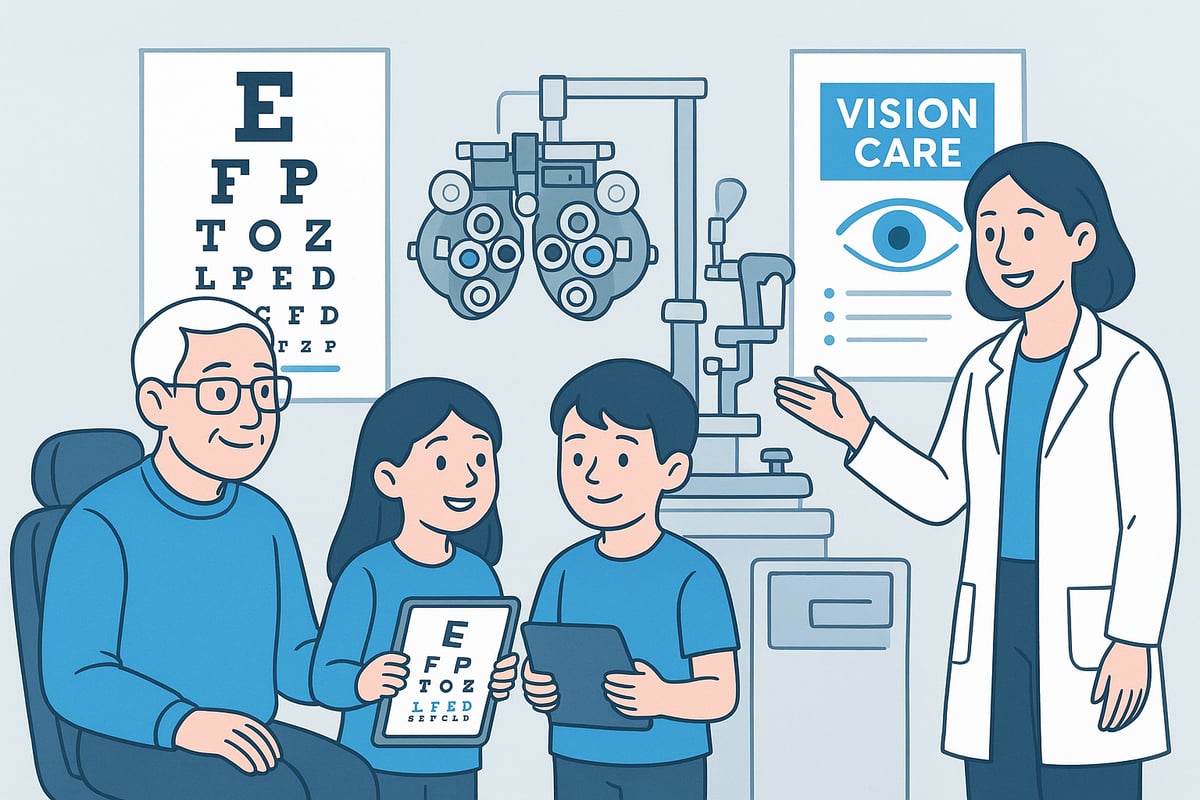
Step 1: Schedule Regular Eye Exams
Routine eye exams are a cornerstone of neo vision eye care. The Ontario Association of Optometrists (OAO) recommends the following schedule:
| Age Group | Exam Frequency | OHIP Coverage |
|---|---|---|
| 0-19 years | Annually | Yes |
| 20-64 years | Every 1-2 years | No* |
| 65+ years | Annually | Yes |
*Some medical conditions may qualify adults for OHIP coverage.
During a comprehensive exam, your optometrist will assess vision, eye health, and screen for early signs of conditions like diabetic retinopathy and glaucoma. Early detection is vital for effective management. Expect tests such as vision acuity, pressure checks, and advanced imaging.
Regular exams allow your neo vision eye care provider to tailor recommendations to your needs.
Step 2: Understand and Manage Common Vision Conditions
Many people in Ontario experience vision challenges such as myopia, hyperopia, astigmatism, and presbyopia. Neo vision eye care emphasizes ongoing assessment and personalized management.
Strategies include:
- Prescription glasses or contact lenses
- Monitoring for changes in vision
- Lifestyle adjustments to reduce eye strain
Children and seniors should have their vision assessed regularly, as their needs can change quickly. For a deeper dive into symptoms, treatments, and when to seek help, visit Managing Common Eye Conditions.
Regular assessment ensures your neo vision eye care plan remains effective as your eyes and lifestyle evolve.
Step 3: Protect Eyes from Digital Strain and Environmental Factors
Digital devices are part of daily life, but they can contribute to digital eye strain. Symptoms often include dry eyes, headaches, and blurred vision. Neo vision eye care incorporates prevention strategies, such as:
- Following the 20-20-20 rule: every 20 minutes, look at something 20 feet away for 20 seconds
- Using blue light filters on screens
- Wearing sunglasses with UV protection
- Using safety glasses for workplace hazards
Prioritizing these habits can help reduce discomfort and safeguard your vision in a digital world.
Step 4: Nutrition and Lifestyle for Optimal Vision
Nutrition is a key pillar of neo vision eye care. Certain nutrients help maintain eye health, including:
- Vitamin A: found in carrots, sweet potatoes, spinach
- Omega-3 fatty acids: present in salmon, flaxseed, walnuts
- Lutein and zeaxanthin: found in leafy greens and eggs
Consider a balanced diet or supplements if needed. Avoiding smoking and engaging in regular exercise are also linked to lower risks of eye diseases.
By supporting your body with healthy habits, you reinforce the foundation of neo vision eye care.
Step 5: Addressing Urgent and Emergency Eye Issues
Some eye symptoms require immediate attention. Neo vision eye care providers advise seeking help if you experience:
- Sudden loss of vision
- Severe pain or redness
- Flashes of light or new floaters
If an eye injury occurs or vision changes abruptly, contact your optometrist or visit a local emergency department. In Ontario, some clinics offer urgent assessment for acute eye concerns.
Prompt response can make a significant difference in preserving vision and preventing complications.
Step 6: Supporting Children’s Vision Development
Early detection is critical in neo vision eye care for children. Signs of vision problems may include squinting, frequent eye rubbing, or avoiding reading.
While school screenings offer basic checks, comprehensive clinic exams provide a full assessment of eye health and visual development. Parents should schedule regular exams, especially if there is a family history of eye conditions.
Ongoing monitoring helps ensure children receive timely support, setting the stage for healthy vision as they grow.
Advances in Eye Care Technology and Treatments
The landscape of neo vision eye care is evolving rapidly, with technology at the forefront of diagnostics, treatments, and daily management. Ontario residents now benefit from a range of tools and therapies that support better vision outcomes and more personalized care.
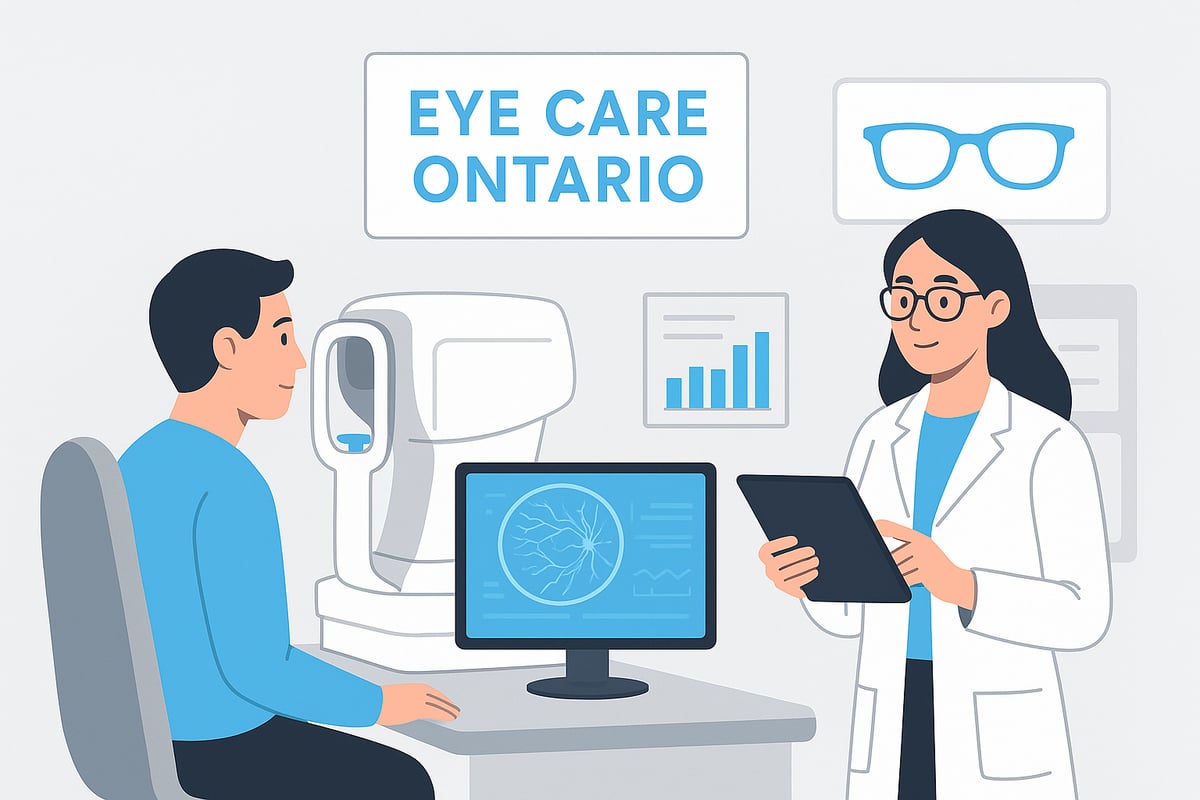
Diagnostic Innovations in 2026
Neo vision eye care in Ontario increasingly relies on advanced diagnostic technologies. Optical Coherence Tomography (OCT) and high-resolution retinal imaging are now standard tools in many clinics.
OCT provides cross-sectional images of the retina, helping optometrists identify subtle changes linked to glaucoma, macular degeneration, and diabetic retinopathy. These devices enable earlier detection and more precise monitoring of eye health.
Retinal imaging complements OCT by capturing detailed photographs of the back of the eye. Together, these tools support the neo vision eye care approach, which emphasizes early intervention and ongoing assessment.
Access to these technologies is expanding in Durham region clinics. For a closer look at how OCT has transformed local practices, see Advances in OCT Technology.
Regular use of OCT and retinal imaging means more residents receive timely care, aligning with Health Canada and OAO standards.
Treatment Developments: Lenses, Laser, and Beyond
Neo vision eye care offers a diverse range of treatment options suited to individual needs. Corrective lenses have evolved, with choices like progressive lenses, blue light-blocking coatings, and myopia control lenses designed for children and young adults.
Contact lens technology has also advanced. New materials improve comfort and allow longer wear, while specialty lenses help manage dry eye and corneal irregularities.
For those considering refractive surgery, procedures such as LASIK and PRK are available in Ontario. Eligibility is determined through comprehensive eye exams that assess corneal thickness, prescription stability, and overall eye health.
Non-surgical therapies play a key role in neo vision eye care. In-office treatments for dry eye, such as thermal pulsation and targeted light therapy, help manage symptoms and support long-term comfort.
Patients are encouraged to discuss all available options with their eye care provider. Neo vision eye care focuses on matching treatments to lifestyle, age, and risk factors, ensuring care plans are both effective and sustainable.
Integrating Technology into Daily Eye Care
Technology is now part of everyday neo vision eye care. Mobile apps allow users to track vision changes, set reminders for eye drops, and access educational resources.
Wearable devices can monitor screen time, light exposure, and even alert users to unhealthy habits that may affect vision. Tele-optometry has expanded access to professional guidance, especially in communities across Ontario.
Virtual consultations offer convenience for follow-up visits and minor concerns. However, privacy and data security are important considerations. Canadian regulations require that all personal health information is protected, ensuring patient confidentiality when using digital neo vision eye care tools.
Embracing these digital solutions helps patients remain proactive, informed, and connected with their eye care team.
Pediatric and Senior Eye Care: Special Considerations
Caring for vision across a lifetime requires tailored strategies. Neo vision eye care recognizes the unique needs of both children and seniors in Ontario. By following evidence-based guidelines and staying informed about local resources, families can support healthy sight at every stage.
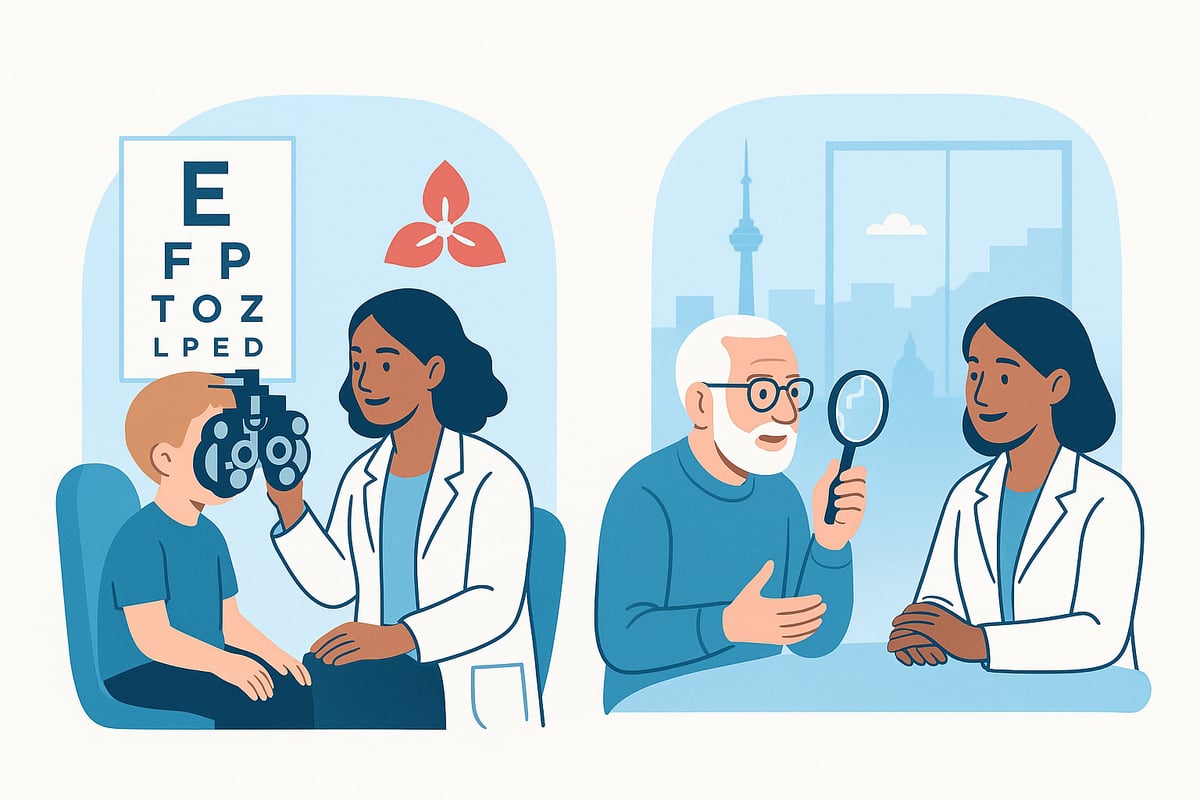
Pediatric Eye Health: Early Detection and Myopia Control
Early intervention is central to neo vision eye care for children. In Ontario, the Ontario Association of Optometrists recommends comprehensive eye exams at least once a year for ages 0 to 19. These exams are covered by OHIP, making routine screening accessible for families.
Pediatric exams focus on detecting refractive errors, lazy eye, and signs of myopia progression. Myopia, or nearsightedness, is increasingly common. Management options include specialized lenses such as MiYOSMART, which help slow progression when introduced early.
Parents should watch for symptoms such as frequent squinting, covering one eye, or complaints about blurry vision. School screenings are helpful, but comprehensive clinic exams remain the gold standard for identifying subtle issues. Raising awareness about the importance of regular eye exams is a key theme during Children’s Vision Health Month, which highlights preventive strategies and the role of neo vision eye care in early detection.
Personalized care plans consider a child’s daily screen time, outdoor activities, and family history. Regular monitoring allows for timely adjustments to treatment and supports lifelong healthy vision.
Senior Vision: Managing Age-Related Changes
As individuals age, vision needs shift. Neo vision eye care for seniors in Ontario focuses on managing common conditions such as cataracts, glaucoma, and age-related macular degeneration. Annual comprehensive eye exams for those 65 and older are covered by OHIP, supporting early assessment and ongoing management.
It is important to recognize symptoms like increased glare sensitivity, difficulty reading, or changes in peripheral vision. Early detection helps manage progression and maintain quality of life. Seniors benefit from low vision aids, such as magnifiers or specialized lighting, to support daily tasks.
Practical tips for safety and independence include:
- Ensuring living spaces are well-lit and clutter-free
- Using high-contrast markings on stairs or appliances
- Seeking support from local community resources and vision rehabilitation programs
Family involvement and regular communication with vision care providers are essential parts of neo vision eye care for seniors. By staying informed about available support and technology, older adults can maintain their independence and participate fully in community life.
Navigating Eye Care in Ontario: Coverage, Access, and Resources
Accessing neo vision eye care in Ontario means understanding how coverage, eligibility, and local resources work together to support your eye health. With rising rates of vision impairment across Canada, navigating these systems is essential for families and individuals in the Durham region.
OHIP Coverage and Eligibility for Eye Exams
Ontario’s Health Insurance Plan (OHIP) covers annual comprehensive eye exams for children (ages 0 to 19) and seniors (65 and older). For adults aged 20 to 64, coverage applies only if a medical condition requires regular monitoring, such as diabetes or glaucoma.
Below is a summary of OHIP coverage by age:
| Age Group | Routine Exam Coverage | Medical Condition Coverage |
|---|---|---|
| 0-19 | Yes | Yes |
| 20-64 | No | Yes (with qualifying condition) |
| 65+ | Yes | Yes |
Eligibility for publicly funded neo vision eye care also depends on residency, valid OHIP registration, and, for medical necessity, documented diagnoses. Always confirm with your provider before booking.
Options for Uninsured or Underinsured Residents
Some Ontario residents may not qualify for OHIP-funded exams due to age or lack of medical necessity. If you are uninsured or underinsured, several options remain available:
- Community health clinics offer affordable or sliding-scale vision services.
- Private insurance plans may cover routine and specialized exams.
- Charitable organizations sometimes sponsor vision screenings for children and seniors.
Local public health units and school vision programs also provide support, especially for families in need.
Finding Qualified Eye Care Providers in Durham
Choosing the right neo vision eye care professional in the Durham region starts with verifying credentials. The Ontario Association of Optometrists (OAO) and Health Canada maintain directories of licensed optometrists and ophthalmologists.
To locate a provider:
- Search the OAO website for registered optometrists in Oshawa and surrounding areas.
- Ask your family physician or pharmacist for referrals.
- Check for clinics offering specialized services, like pediatric or low vision care.
Professional Organizations and Community Resources
Several organizations guide neo vision eye care standards in Ontario. The OAO represents optometrists, while Health Canada establishes national vision health policies. These bodies ensure providers meet safety and quality benchmarks for patient care.
For those experiencing vision loss or impairment, resources are available. The Seeing disabilities, 2022 report highlights the prevalence of vision issues, underscoring the need for accessible services.
Vision Rehabilitation, Workplace Programs, and Financial Support
Vision rehabilitation programs help individuals adapt to changes in sight. Services may include mobility training, assistive devices, and counseling. For more information on support options, visit the Low Vision Information page by the Canadian Association of Optometrists.
Workplace vision protection programs and financial assistance—such as government grants or charitable funds—can help manage the costs of neo vision eye care. Local community centers and the OAO can guide residents to suitable resources.
Understanding your options in Ontario empowers you to prioritize neo vision eye care for yourself and your family.
Preventive Strategies and Daily Eye Care Tips for 2026
Maintaining healthy vision is a lifelong commitment. With neo vision eye care, Ontario residents can adopt evidence-informed habits and preventive strategies to protect their eyesight in a digital world. Simple changes in daily routines make a significant difference for all ages.
Sun Protection and Appropriate Eyewear
Wearing sunglasses that block 99-100% of UVA and UVB rays is a foundational step in neo vision eye care. Sun exposure increases the risk of cataracts and other eye conditions. Choose wraparound frames for added side protection, especially for children and seniors who spend time outdoors. For those working in environments with hazards, safety-rated eyewear helps reduce injury risk.
Reducing Digital Strain and Managing Screen Time
Digital devices are part of daily life, but extended screen time can lead to digital eye strain. Symptoms may include dryness, headaches, and blurred vision. Follow the 20-20-20 rule: every 20 minutes, look at something 20 feet away for 20 seconds. Adjust screen brightness, use blue light filters, and set device reminders to take regular breaks. Incorporating these habits into neo vision eye care supports long-term comfort.
Contact Lens Hygiene and Safe Use
Proper contact lens hygiene is vital to prevent infections. Always wash hands before handling lenses. Use fresh solution daily and never reuse or top off old solution. Replace cases every three months and avoid sleeping in lenses unless specifically approved. These daily routines are essential components of neo vision eye care. For those who wear glasses, clean frames and lenses regularly with gentle cleaners.
Daily Cleaning Routines for Glasses and Devices
Keeping eyewear and digital devices clean limits the transfer of bacteria and debris to your eyes. Use a microfiber cloth to wipe lenses and screens. Store glasses in a protective case when not in use. For children, teach these habits early as part of their neo vision eye care journey.
Self-Assessment and Monitoring Vision Changes
Regular self-assessment is encouraged. Notice any sudden changes in vision, persistent discomfort, or flashes of light? Schedule an eye exam promptly. Early detection is a core principle of neo vision eye care, helping manage conditions before they progress.
Nutrition, Lifestyle, and Community Resources
Nutrition plays a critical role in vision health. Include foods rich in vitamin A, omega-3s, and lutein, such as leafy greens, carrots, and fish. For more guidance, visit Nutrition and Vision Health for practical tips on building an eye-friendly diet. Smoking cessation and regular exercise further reduce risk factors.
Community education programs and public health initiatives in Ontario offer resources for families. Stay informed about local screenings, school-based programs, and workplace vision safety. Family history and genetics also influence risk, so share relevant information with your eye care provider as part of your neo vision eye care plan.
Quick Reference Table: Daily Eye Care by Age Group
| Age Group | Key Preventive Tips |
|---|---|
| Children | Sunglasses, screen breaks, early exams |
| Adults | UV protection, digital strain management |
| Seniors | Annual exams, safety eyewear, nutrition |
Taking proactive steps with neo vision eye care empowers you and your family to maintain optimal vision in 2026 and beyond.
As you’ve seen throughout this guide, staying proactive about your eye health is more important than ever—especially with new technologies, changing lifestyles, and evolving best practices shaping how we care for our vision in 2026. Whether you’re considering a comprehensive exam, want to explore advanced lens options, or need guidance on managing screen time, the experts at Durham Vision Care are here to support you every step of the way. If you’re ready to take charge of your eye health and benefit from personalized, patient-focused care, you can easily Book an Appointment and start your journey toward clearer vision today.





Recent Comments