
In 2026, maintaining strong vision is a top priority for individuals and families across Ontario. With evolving technology and changing healthcare systems, knowing how to navigate the eye doctor contact process is essential to protect your sight for years to come.
This guide provides a clear path to connect with eye care professionals efficiently. You will learn how to identify your vision needs, locate qualified providers, use digital tools for scheduling, understand insurance coverage, and prepare for appointments.
Taking proactive steps with your eye doctor contact strategy ensures you get the care you need, when you need it.
Understanding Your Eye Care Needs in 2026
Your vision health is a lifelong priority, and knowing when and how to make an eye doctor contact is essential for residents in Ontario. Understanding your specific needs helps you make informed decisions for both routine and urgent care. Let us explore the key aspects of identifying your eye care requirements in 2026.

Identifying Common Eye Health Concerns
Recognizing when to make an eye doctor contact starts with understanding common symptoms. Blurred vision, eye strain, and dryness are frequent reasons people seek care. Children may need attention for myopia control, while adults often require support for dry eye management.
Preventative eye exams are crucial for all ages, from children to seniors. Early detection can help manage progression of conditions. Know the difference between urgent symptoms, like sudden vision loss, and routine issues, such as mild discomfort.
Regular assessments ensure your unique needs are addressed and help determine the right time for an eye doctor contact.
Types of Eye Care Professionals in Ontario
Ontario offers three main types of eye care providers. Optometrists perform vision exams and manage non-surgical eye conditions. Ophthalmologists are medical doctors specializing in surgical and advanced treatments. Opticians fit and dispense eyewear based on prescriptions.
Each professional is regulated by the College of Optometrists of Ontario. For example, you would make an eye doctor contact with an optometrist for a routine exam, but see an ophthalmologist for surgical consultation.
Understanding these distinctions ensures you reach the right provider for your specific eye health needs.
| Professional | Role | When to Contact |
|---|---|---|
| Optometrist | Eye exams, vision correction, disease management | Routine exams, early symptoms |
| Ophthalmologist | Surgery, advanced disease care | Complex or surgical needs |
| Optician | Eyewear fitting, prescription fulfillment | New glasses or contacts |
When to Seek Immediate vs. Scheduled Care
Some symptoms signal the need for urgent eye doctor contact. Sudden vision loss, eye injury, or severe pain require immediate attention. In Ontario, urgent care can be accessed through specialized clinics or hospitals.
Routine check-ups are recommended annually for children (0-19) and seniors (65+), as covered by OHIP. Adults should follow provider guidance for exam frequency. Telehealth options can help triage symptoms and direct you to the right level of care.
For more details on accessing urgent services, see urgent eye care services in the Durham region. Recognizing urgency helps you act promptly and safely.
Preparing Your Medical and Vision History
Before your eye doctor contact, gather important details to streamline your visit. Bring a list of medications, any previous eye diagnoses, and relevant family history. Accurate records enable your provider to assess your needs thoroughly.
Request records from past providers if necessary. Note the duration and type of symptoms you are experiencing.
Under Ontario’s PHIPA regulations, your privacy is protected when sharing information. Proper preparation ensures your eye doctor contact is efficient and focused on your vision health.
How to Find the Right Eye Doctor in Ontario
Finding the right provider can make your eye doctor contact process efficient and stress-free. In Ontario, you have access to a wide variety of licensed professionals, specialized services, and digital tools to help you connect. Use the following steps to ensure you choose a clinic that fits your needs, location, and preferences.
Researching Licensed Eye Care Providers
Start by verifying the credentials of any clinic or provider before initiating your eye doctor contact. The College of Optometrists of Ontario maintains a public register where you can search for licensed optometrists by name or location. This ensures your provider is authorized to practice and has no disciplinary restrictions.
Check these details:
- Active license status
- Area of specialization
- Practice location
- Any disciplinary history
By confirming these factors, you protect your health and maximize the value of your eye doctor contact.
Choosing Based on Specialization and Services
Every patient has unique vision needs, so tailor your eye doctor contact to clinics offering the right services. Consider your requirements—do you need pediatric care, advanced contact lens fittings, or management for conditions like dry eye or myopia?
Look for clinics that provide:
- Specialized diagnostic technologies, such as OCT scans
- Services in multiple languages
- Accessibility for mobility aids
For example, if you need an occupational vision assessment, ensure the clinic lists this service. This targeted approach makes your eye doctor contact more productive.
Location, Accessibility, and Clinic Hours
Convenience is a key factor in your eye doctor contact experience. Choose a clinic that is close to your home, work, or transit lines, especially if you require ongoing care.
Evaluate clinics for:
- Proximity to your area
- Extended or weekend hours for busy schedules
- Barrier-free access for mobility limitations
Some clinics offer early morning or after-hours appointments, helping you schedule your eye doctor contact without disrupting your daily routine. Always confirm accessibility features if you have specific needs.
Using Online Directories and Tools
Digital tools play a valuable role in streamlining your eye doctor contact. Use online directories provided by organizations such as Health Canada or the Ontario Association of Optometrists to filter providers by language, specialty, or insurance compatibility.
Many directories integrate with Google Maps for turn-by-turn directions and offer real-time appointment availability. For a comprehensive search, try the Ontario Association of Optometrists’ Find an Eye Doctor Tool, which allows you to locate licensed optometrists across Ontario quickly.
Leverage these tools to make your eye doctor contact efficient and informed.
Connecting with Durham Vision Care
If you are in the Durham region, consider Durham Vision Care for your eye doctor contact. This clinic offers comprehensive eye exams for all ages, advanced contact lens options, and management for common conditions like dry eyes and myopia.

Durham Vision Care emphasizes early detection, patient-centered care, and a wide selection of eyewear. Services include urgent eye care, visual fields testing, LASIK co-management, and direct insurance billing. The clinic’s accessible location and online appointment system simplify your eye doctor contact.
Residents of Oshawa and surrounding communities can reach out to Durham Vision Care for tailored vision care solutions.
Step-by-Step Guide to Contacting an Eye Doctor in 2026
Connecting with an eye doctor contact in Ontario is a straightforward process when broken down into clear steps. By following this guide, you can ensure efficient communication, timely care, and peace of mind about your vision health.
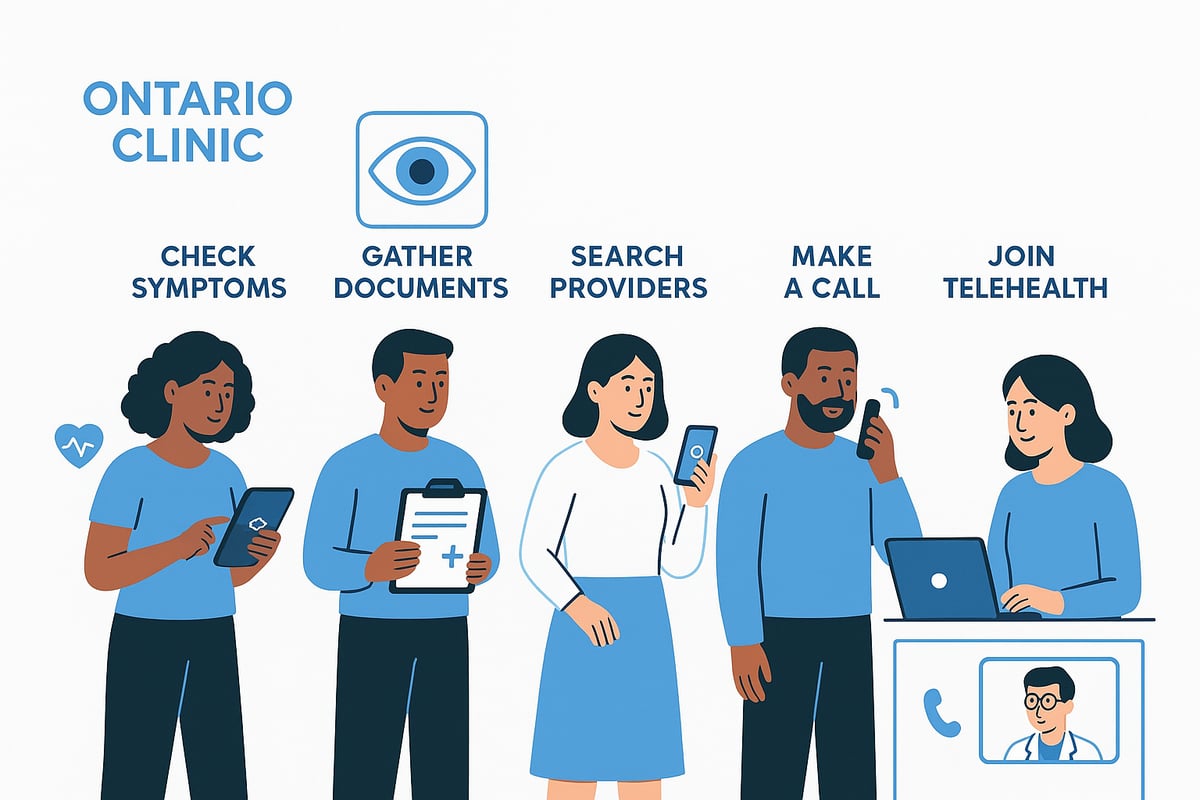
Step 1: Determining Your Eye Care Needs
Start by evaluating your symptoms and the urgency of your situation. Are you experiencing sudden vision loss, flashes of light, or pain? These signs mean you should seek an eye doctor contact immediately for urgent care.
For routine issues, such as needing a prescription update or managing dry eyes, schedule a regular exam. Consider your age and risk factors. Children may need myopia management, while adults often require monitoring for conditions like glaucoma.
Ask yourself:
- Is this an emergency or a routine check?
- Have symptoms changed recently?
- Do you need specialized services?
By understanding your needs, you can make the right eye doctor contact choice and receive appropriate care.
Step 2: Gathering Necessary Information
Before initiating any eye doctor contact, organize your documents. This includes your health card, insurance information, and a list of current medications. Accurate records help providers assess your condition efficiently.
Prepare the following:
- Personal identification (Ontario Health Card)
- Insurance card or policy details
- List of medications and dosages
- Previous diagnoses or treatments
- Prescription glasses or contact lens details
Having this information ready streamlines the eye doctor contact process and allows for a more productive first conversation with your provider.
Step 3: Searching for Providers
Begin your search for an eye doctor contact by using trusted directories and association websites. The College of Optometrists of Ontario public register allows you to verify credentials and licensing. You can also filter providers by location, specialization, and clinic hours.
Recommended resources include:
- Ontario Association of Optometrists “Find an Optometrist” tool
- Health Canada directories for regulated professionals
- Google Maps integration for directions
Searching with these tools ensures that your eye doctor contact is both licensed and conveniently located for your needs.
Step 4: Evaluating Clinic Options
Once you have a shortlist, compare clinics based on the services offered, accessibility, and technology available. Review their websites to see if they provide specialized care, such as pediatric optometry or advanced imaging.
Consider:
- Accessibility features (ramps, elevators, barrier-free entrances)
- Clinic hours, including evenings or weekends
- Online booking or telehealth options
- Language services for non-English speakers
Evaluating these factors helps you choose an eye doctor contact that matches your preferences and ensures a comfortable experience.
Step 5: Making Initial Contact
Now it is time to make your first eye doctor contact. Clinics typically offer several communication channels: phone, email, online forms, and direct booking through their website. Be ready to provide your reason for visit, preferred dates, and insurance details.
For those in the Durham region, you can use the Contacting Durham Vision Care page to reach a provider directly and request an appointment.
Tips for a smooth initial eye doctor contact:
- Be clear and concise about your needs
- Confirm your coverage and availability
- Ask about what to bring to your appointment
Taking these steps ensures your eye doctor contact is efficient and sets the stage for quality care.
Step 6: Confirming and Preparing for Your Appointment
After your initial eye doctor contact, confirm your appointment details. Many clinics offer email or SMS reminders, so check your inbox or messages for confirmation.
Prepare for your visit by:
- Setting calendar reminders
- Writing down questions for your provider
- Organizing all necessary documents
A well-prepared approach to your eye doctor contact ensures you get the most from your appointment and reduces the risk of forgetting important details.
Step 7: Utilizing Telehealth and Virtual Consultations
Telehealth is increasingly available for non-urgent eye care in Ontario. Through secure platforms, you can have an eye doctor contact for initial assessments, follow-ups, or prescription renewals without leaving home.
Telehealth benefits include:
- Convenience for minor or follow-up issues
- Secure video consultations compliant with privacy laws
- Access for those with mobility or transportation challenges
To arrange a telehealth session, ask your clinic about available platforms during your eye doctor contact. This modern approach supports ongoing vision care and flexible communication.
Digital Tools and Online Booking for Eye Care in 2026
Digital solutions have transformed how Ontario residents manage eye doctor contact. Whether booking an appointment, accessing records, or consulting virtually, these tools streamline every stage of the process. Understanding the available features helps you make informed decisions for your vision care needs.
Online Appointment Booking Platforms
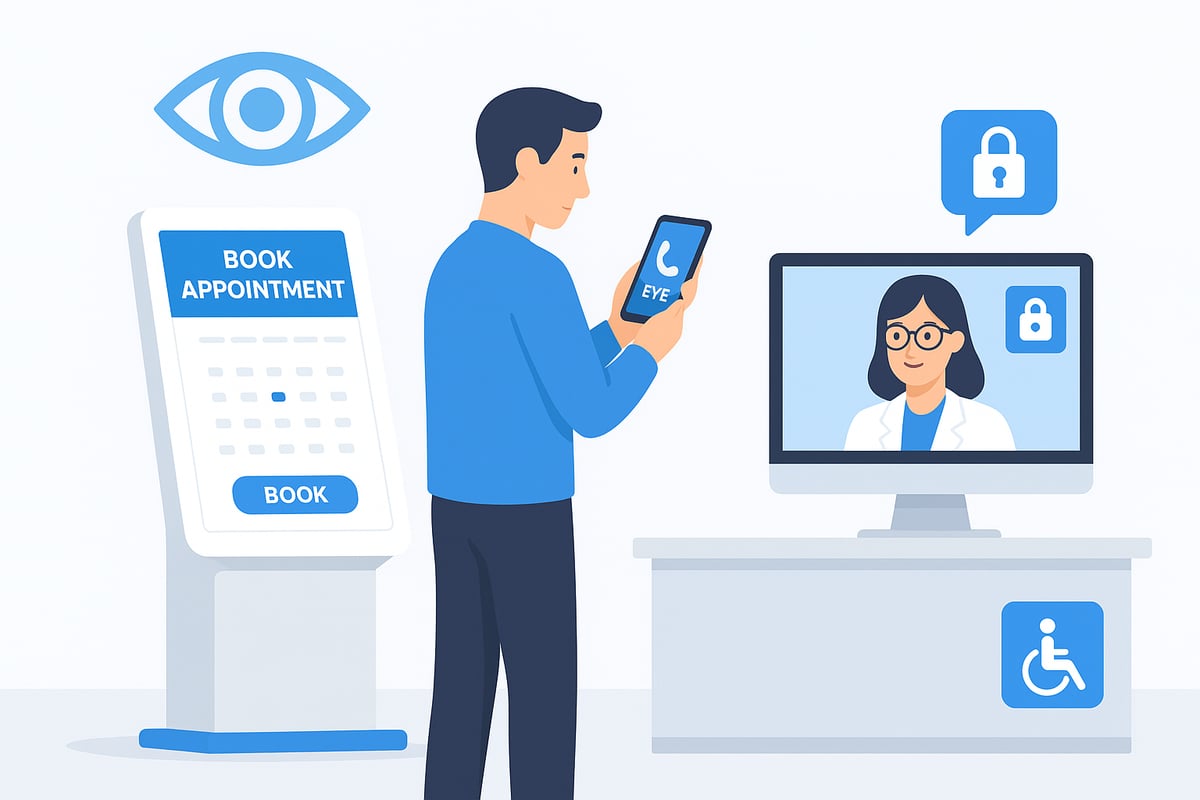
Online booking platforms have become central to eye doctor contact in Ontario. These systems offer real-time availability, allowing patients to choose appointment times that fit their schedules. Instant confirmation and automated reminders help reduce missed visits.
Key features include:
- Integrated calendars on clinic websites
- Options to filter by service type, provider, or location
- Secure entry of personal and insurance information
Many clinics report increased efficiency as more patients use digital booking tools. For those unsure about selecting a provider, resources like How to choose the right optometrist offer helpful guidance. Using these platforms makes eye doctor contact more accessible for everyone.
Telehealth and Virtual Eye Consultations
Telehealth has expanded eye doctor contact options, especially for triage, prescription renewals, and follow-ups. Secure video consultations let you connect with licensed providers from home, reducing travel and wait times.
Common uses for telehealth in Ontario include:
- Triage of new symptoms
- Reviewing test results
- Discussing changes in vision or medication
All platforms must comply with PHIPA, ensuring privacy and data security. When considering telehealth, check that your eye doctor contact offers virtual visits for non-urgent issues, making care more flexible and convenient.
Accessing and Sharing Digital Health Records
Secure patient portals now make it easier to manage eye doctor contact and health information. Through these portals, you can view test results, prescription details, and appointment histories at your convenience.
Benefits of digital record access:
- Download vision test results for personal reference
- Share records securely with other providers
- Track your eye health progress over time
When preparing for an eye doctor contact, having digital access to your history supports accurate assessments and better continuity of care.
Digital Communication and Accessibility Features
Modern clinics use digital communication to enhance eye doctor contact. Email, SMS, and secure messaging allow for easy appointment management and follow-ups.
Accessibility options are also prioritized, with many clinics offering:
- Screen reader compatibility
- Multilingual communication
- Online forms for accessibility requests
These features ensure that every patient can manage eye doctor contact effectively, regardless of language or ability. Choosing a clinic with robust digital tools supports a seamless experience from booking to follow-up.
Insurance, OHIP Coverage, and Payment Options
Navigating insurance and payment options is a crucial part of the eye doctor contact process in Ontario. Understanding what is covered by OHIP, what requires private insurance, and how to prepare for your visit can make your experience more efficient and stress-free.
Understanding OHIP Coverage for Eye Care
OHIP provides coverage for specific eye care services in Ontario, based on age and medical needs. Children aged 0 to 19 and adults 65 and older are eligible for an annual comprehensive eye exam. Additionally, certain medical conditions, such as diabetes or glaucoma, qualify for insured services.
Routine exams for adults aged 20 to 64 are not typically covered unless a qualifying medical condition is present. It is important to stay updated on eligibility changes, as policies may shift. For a comprehensive list of covered services and recent updates, refer to OHIP Eye Exam Coverage Details. Being aware of your coverage helps streamline the eye doctor contact process.
Private Insurance and Direct Billing
Many Ontario residents rely on private vision insurance to cover services not funded by OHIP, such as adult routine exams or advanced testing. Most clinics offer direct billing, submitting claims directly to your insurance provider for convenience. This minimizes out-of-pocket expenses and simplifies your eye doctor contact experience.
Coverage details vary by insurer and policy, so confirm your benefits before booking. Some clinics detail their process for direct insurance billing for eye care on their websites, including which providers they accept. Knowing your options can help you plan for a smooth visit.
Out-of-Pocket Costs and Payment Plans
If your service is not covered by OHIP or private insurance, you may need to pay out of pocket. Typical costs include comprehensive exams, contact lens fittings, and eyewear purchases. Many clinics provide transparent fee schedules and are willing to discuss payment plans or financing options.
Before making an eye doctor contact, inquire about fees for specific services and available payment methods. Discussing costs in advance helps you avoid unexpected expenses. Some clinics also offer discounts for bundled services, making vision care accessible for more families.
Preparing Insurance Information for Your Visit
Proper preparation ensures a seamless eye doctor contact and appointment experience. Bring your OHIP card, private insurance card, and any required pre-authorization forms to your visit. It is also helpful to verify your insurance coverage and eligible benefits in advance.
Contact your insurer directly or use online portals to check for any restrictions or required referrals. When booking, provide your insurance details so the clinic can process claims efficiently. Organizing your documents ahead of time supports a smooth check-in and helps maximize your coverage.
Preparing for Your Eye Doctor Appointment
Getting ready for your eye doctor contact in Ontario means being thorough and organized. Proper preparation helps ensure your visit goes smoothly, your concerns are addressed, and you make the most of your time with the provider.
What to Bring and How to Prepare
Before your eye doctor contact, gather all essential documents and information. Bring your Ontario health card, insurance details, and any recent prescriptions for glasses or contact lenses. If you are eligible for OHIP-covered exams, ensure your documentation is up to date. For more details on eligibility, review OHIP Coverage for Eye Exams.
Prepare a list of your current symptoms, how long they have lasted, and any medications you take. Having previous eye health records or test results can help your provider assess your needs accurately.
If you have questions about coverage or required forms, contact the clinic before your visit. Being prepared with these items will make your eye doctor contact more efficient and productive.
Questions to Ask Your Eye Doctor
Arriving with thoughtful questions helps you get the most from your eye doctor contact. Consider asking:
- What do my exam results mean for my vision health?
- Are there new options for managing my condition, like myopia control or dry eye therapies?
- How often should I return for follow-up care?
- What lifestyle changes can help protect my eye health?
- Are there alternatives if I am not comfortable with a suggested product?
Having clear questions ensures your eye doctor contact is informative and tailored to your individual needs.
Understanding Your Rights and Privacy
During your eye doctor contact, you have rights under Ontario’s Personal Health Information Protection Act (PHIPA). Your consent is needed for sharing or accessing your records. Clinics must secure your information and only release it with your approval.
If you want a copy of your exam report or need records transferred, ask the clinic about their process. Always clarify how your information will be used and stored. Knowing your privacy rights helps you feel confident about your eye doctor contact and the protection of your health data.
Post-Appointment Steps and Follow-Up
After your eye doctor contact, review any materials or prescriptions provided by your clinic. Many practices offer digital access to test results, prescriptions, and appointment reminders.
Plan your next steps, such as scheduling follow-up visits or further testing if recommended. Keep a record of your questions or concerns for future appointments. Setting digital reminders can help you stay proactive about your vision care and maintain ongoing communication with your eye doctor contact.
Now that you know what to look for in your eye care journey and how easy it is to connect with trusted professionals in 2026, taking the next step towards clearer, healthier vision is simple. At Durham Vision Care, you’ll find a team committed to personalized service, advanced solutions, and early detection—whether you need a routine exam, contact lens fitting, or help managing dry eyes. You don’t have to wait to prioritize your eye health or that of your family. If you’re ready for comprehensive care in Oshawa, you can Book an Appointment today.








Recent Comments