
In 2026, vision care in Ontario is experiencing rapid advancements, making it more important than ever to stay updated on eye health. Whether you are navigating routine checkups, new technologies, or prevention strategies, understanding the essentials of eye doctor vision is key.
This guide brings together expert insights from Ontario eye doctors. You will learn about comprehensive eye exams, common vision challenges, and the evolving tools shaping modern care.
Explore the role of eye doctors, the latest diagnostic technology, and professional advice for every age group. Take confident steps toward protecting your eyesight and making informed choices about your eye doctor vision needs.
Understanding the Role of Eye Doctors in 2026
Ontario’s eye doctor vision landscape is shifting rapidly in 2026, with professionals adapting to new challenges and opportunities. Understanding these changes helps patients make informed decisions about their eye health and select the right provider for their needs.
Evolving Responsibilities of Eye Doctors
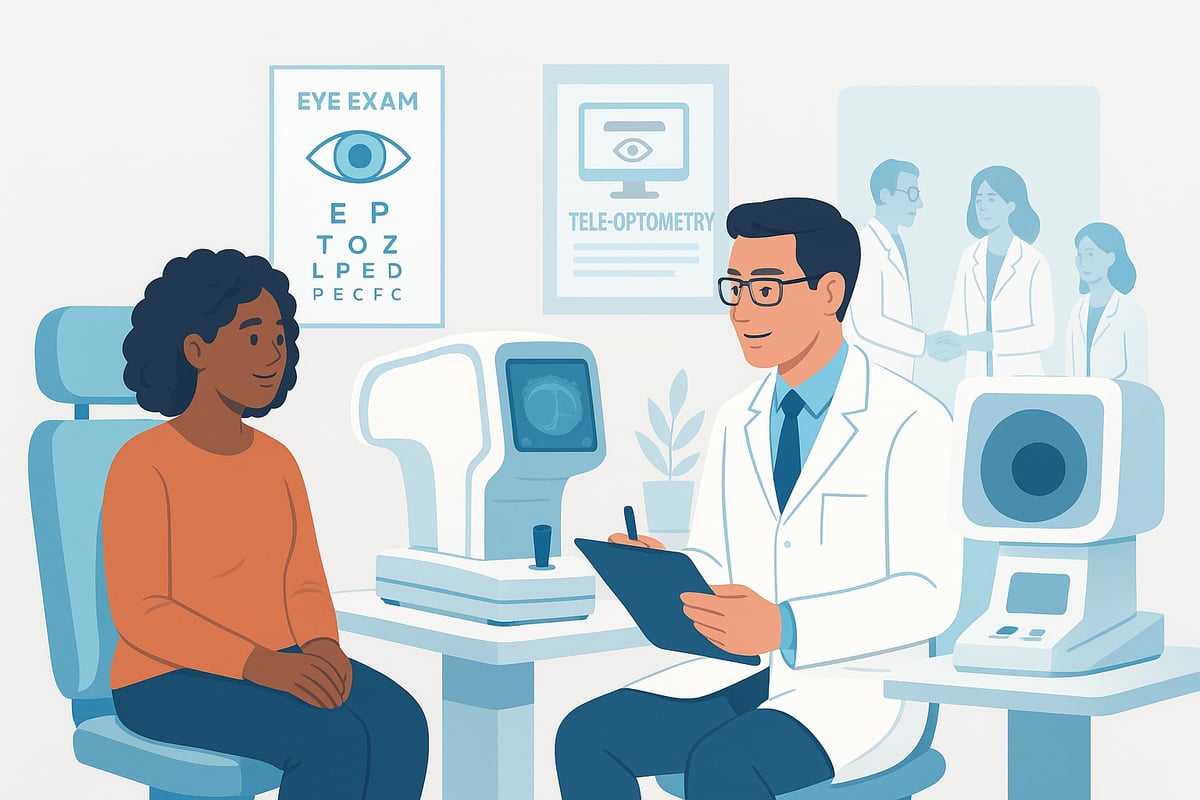
In 2026, the eye doctor vision profession in Ontario features a broader scope of practice. Eye doctors now routinely detect and manage chronic conditions such as diabetic retinopathy and glaucoma. They collaborate closely with ophthalmologists and family physicians to coordinate comprehensive care.
Tele-optometry is becoming a standard tool for remote consultations, especially for patients in rural or mobility-limited situations. Patient education and preventative care take center stage, as eye doctors provide guidance on lifestyle, digital device usage, and risk factor management.
According to the Ontario Association of Optometrists, chronic eye conditions are on the rise, prompting a stronger focus on holistic vision care. Eye doctors address more than just prescription changes, aiming to support overall vision health for every patient.
Types of Eye Care Professionals
Navigating the eye doctor vision system means knowing the distinct roles of optometrists, ophthalmologists, and opticians. Optometrists serve as primary vision care providers, performing eye exams, diagnosing common conditions, and managing non-surgical cases.
Ophthalmologists are medical doctors who diagnose and treat complex eye diseases and perform surgeries, such as cataract removal. Opticians focus on fitting and adjusting eyewear based on prescriptions from optometrists or ophthalmologists.
When a patient in Ontario needs cataract surgery, an optometrist typically identifies the issue and refers them to an ophthalmologist. Opticians then assist with post-surgical eyewear needs. This clear division of roles ensures every aspect of eye doctor vision care is covered.
| Professional | Main Role | Example Task |
|---|---|---|
| Optometrist | Primary care, diagnosis, exams | Myopia management |
| Ophthalmologist | Medical/surgical care | Cataract surgery |
| Optician | Eyewear fitting/adjustment | Glasses fitting |
Regulatory and Coverage Updates in Ontario
Staying informed about regulatory changes is vital for navigating eye doctor vision services. In Ontario, the Ontario Health Insurance Plan (OHIP) covers annual eye exams for children aged 0-19 and seniors 65 and over. Recent policy shifts have impacted routine exam coverage for adults aged 20-64, often requiring out-of-pocket payment or private insurance.
Health Canada and the OAO recommend exam frequencies tailored to age and risk factors. For example, annual eye exams for children are fully covered, supporting early detection and intervention.
Understanding these updates helps patients plan for costs and ensure they receive appropriate eye doctor vision care at every life stage.
Importance of Regular Eye Exams
Routine eye doctor vision exams are crucial for detecting silent diseases like glaucoma and macular degeneration before symptoms appear. Regular screenings for children and seniors help prevent vision loss and identify issues that can impact learning or independence.
The OAO encourages annual exams for high-risk groups. For example, a school-aged child struggling in class might be experiencing undiagnosed vision problems uncovered during a routine visit.
To explore more about the significance of regular checkups, see Why regular eye exams matter. Proactive monitoring through scheduled exams supports long-term vision health.
Patient-Centric Approach in Modern Eye Care
Modern eye doctor vision care is highly individualized. Eye doctors now customize care plans based on each patient’s unique risks, lifestyle, and health history. Advanced diagnostic tools, such as digital retinal imaging, provide detailed assessments tailored to the individual.
Effective communication is essential. Eye doctors offer clear explanations and practical advice, such as screen use recommendations for digital device users. They emphasize patient education, encouraging active involvement in vision health decisions.
This patient-centric focus aims to preserve quality of life and support long-term eye doctor vision outcomes for every Ontarian.
Common Vision Issues and Their Management
Staying proactive about eye doctor vision care helps protect your eyesight at every age. In Ontario, early recognition and proper management of common vision issues can make a significant difference in daily life and long-term health. Here, we explore some of the most frequently encountered eye problems, their symptoms, and how an eye doctor vision assessment can help you manage or prevent complications.

Refractive Errors: Myopia, Hyperopia, Astigmatism, Presbyopia
Refractive errors are some of the most prevalent concerns addressed in eye doctor vision care. Myopia (nearsightedness) causes distant objects to appear blurry, while hyperopia (farsightedness) affects near vision. Astigmatism leads to distorted vision at all distances, and presbyopia, common after age 40, makes near tasks challenging.
In Ontario, myopia rates in children have increased, partly due to more screen time. Symptoms include squinting, headaches, and eye strain. Management options include glasses, contact lenses, and myopia control strategies for children.
| Condition | Symptom Example | Management |
|---|---|---|
| Myopia | Blurry distance | Glasses, myopia control |
| Hyperopia | Blurry near vision | Glasses, contacts |
| Astigmatism | Distorted vision | Corrective lenses |
| Presbyopia | Difficulty reading | Reading glasses |
Regular eye doctor vision checks are essential for early detection and correction.
Eye Diseases: Glaucoma, Cataracts, Macular Degeneration, Diabetic Retinopathy
Chronic eye diseases often develop gradually and can threaten vision if left unmanaged. Glaucoma involves increased eye pressure damaging the optic nerve, while cataracts cloud the eye’s lens. Macular degeneration affects central vision, and diabetic retinopathy damages retinal blood vessels.
Ontario seniors are at higher risk for these conditions. Symptoms may include gradual vision loss, glare, or changes in color perception. Early detection through eye doctor vision exams is crucial. Management may involve medications, laser therapy, or surgery.
For more details on symptoms and treatment, visit Common eye conditions and management.
Digital Eye Strain and Blue Light Concerns
Digital eye strain has become increasingly common, especially after the pandemic. Prolonged use of screens can lead to symptoms such as dry eyes, headaches, and blurred vision. Ontario data shows a sharp rise in these complaints among both adults and children.
Simple strategies can reduce discomfort: follow the 20-20-20 rule (every 20 minutes, look at something 20 feet away for 20 seconds), adjust screen brightness, and consider blue light filters. An eye doctor vision assessment can identify strain-related issues and suggest tailored solutions.
Pediatric Vision Health and Myopia Control
Children’s vision health is a foundation for learning and development. Early screening helps detect problems like amblyopia or myopia. In Ontario, myopia is on the rise among school-aged children, with outdoor play shown to help slow progression.
Management includes prescription glasses, specialty myopia control lenses like MiYOSMART®, and limiting screen time. School vision screening programs play a vital role, and regular eye doctor vision visits are recommended for ongoing monitoring.
Dry Eye Syndrome and Environmental Factors
Dry eye syndrome is common in adults and can be triggered by environmental factors, aging, or digital device use. Symptoms include irritation, redness, and fluctuating vision, especially during Ontario’s dry winter months.
Management strategies range from artificial tears and humidifiers to lifestyle changes and in-office treatments. If you notice persistent discomfort, an eye doctor vision evaluation can help identify the cause and discuss treatment options.
Urgent Eye Issues: When to Seek Immediate Care
Some symptoms require urgent attention to prevent vision loss. Red flags include sudden vision loss, flashes of light, new floaters, or significant eye pain. Common emergencies are retinal detachment, infections, or injuries.
Ontario protocols recommend immediate assessment for these issues, often involving direct referral to ophthalmology. Prompt action and an eye doctor vision check can help reduce the risk of permanent damage and support better outcomes.
Advances in Eye Care Technology and Diagnostics
Advancements in eye doctor vision technology are transforming how Ontario residents receive care in 2026. Eye clinics now rely on digital innovations for early detection, patient education, and tailored treatment plans. Staying informed about these tools is essential for making the most of your eye doctor vision appointments.
Optical Coherence Tomography (OCT) and Retinal Imaging
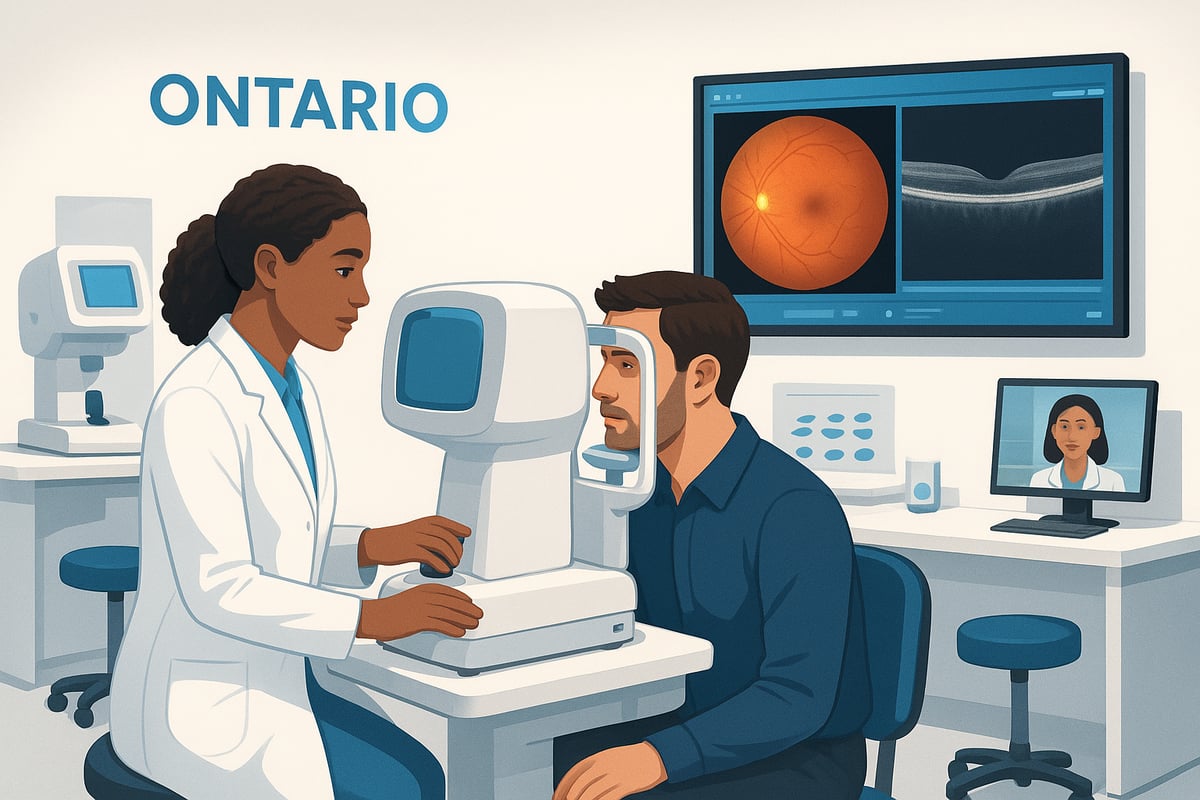
OCT and retinal imaging are now core elements of eye doctor vision assessments. OCT scans create detailed cross-sectional images of the retina, enabling early detection of macular degeneration and glaucoma. In Ontario, eye doctors use OCT to identify diabetic retinopathy before symptoms appear, supporting proactive care for patients at risk.
According to the Ontario Association of Optometrists, OCT is especially recommended for high-risk patients, including seniors. Non-invasive imaging allows for precise monitoring of retinal health over time, helping eye doctor vision professionals manage chronic conditions and tailor follow-up visits.
Automated Visual Field Testing
Automated visual field testing plays a vital role in eye doctor vision care by assessing peripheral vision loss. This diagnostic tool is used for glaucoma monitoring and neurological assessments, such as evaluating visual field requirements for driver’s licensing or certain occupations in Ontario.
Routine visual field testing is often part of senior eye exams. Eye doctor vision clinics use this technology to catch subtle changes that may indicate disease progression. Early detection through automated testing helps maintain independence and quality of life, especially for older adults in Ontario.
Contact Lens Innovations and Specialty Lenses
Contact lens technology has expanded the options available for eye doctor vision management. New materials increase comfort and oxygen flow, while specialty lenses are designed for conditions like myopia and dry eye syndrome. Orthokeratology and MiYOSMART lenses are increasingly used in children’s eye doctor vision care to help manage myopia progression.
Pediatric care in Ontario has seen a rise in specialty lens adoption. Eye doctor vision clinics ensure professional fitting and ongoing follow-ups, supporting safe and effective use for all age groups.
Blue Light and UV Protection Technologies
Protecting your eyes from blue light and UV exposure is a growing focus in eye doctor vision care. Advances in lens coatings and materials now offer built-in protection for frequent digital device users and outdoor enthusiasts. Prescription glasses can include blue light filters, reducing digital eye strain and supporting long-term eye health.
Eye doctor vision professionals in Ontario recommend UV protection for patients of all ages. Incorporating protective technology into everyday eyewear helps manage environmental risks and maintain visual comfort.
Integration of Tele-Optometry and Digital Health Records
Tele-optometry and digital health records are streamlining eye doctor vision care in Ontario. Remote consultations enable routine follow-ups and triage, especially for patients in rural areas or those with mobility challenges. Secure digital records ensure continuity of care between visits.
During public health events, tele-optometry adoption increased, making eye doctor vision services more accessible. While virtual care offers convenience, in-person exams remain essential for comprehensive assessments. The combination of digital and traditional approaches enhances patient support and engagement.
Comprehensive Eye Care for All Ages: Expert Recommendations
Caring for your eyes is a lifelong priority. Whether you are a parent, adult, or senior, understanding how the eye doctor vision approach adapts to your stage of life is essential for maintaining healthy eyesight. The following recommendations provide clear steps for every age group.
Vision Care for Children and Teens
Children and teens benefit from early and regular eye doctor vision assessments. The Ontario Association of Optometrists and Health Canada recommend exams every year for those under 19. Early detection helps identify issues that can affect learning or development.
Vision screenings at school, combined with annual comprehensive exams, support optimal growth. Myopia control, such as specialized lenses, is increasingly important as more children spend time on screens. Outdoor play and scheduled device breaks are encouraged.
For more on recommended intervals, see the Eye Exam Frequency Guidelines.
Adult Eye Health: Ages 20-64
Adults face unique challenges, including digital eye strain, workplace hazards, and refractive changes. Routine eye doctor vision exams are recommended every two years, or more frequently for those with risk factors.
Preventative care includes protective eyewear for certain jobs and regular breaks from screens. Adults should be aware of OHIP coverage limitations, as routine exams are not covered unless medically necessary. Occupational vision screenings are vital for those in roles like police or firefighting.
Lifestyle adjustments, such as proper lighting and hydration, support long-term eye health.
Senior Vision Care: Ages 65+
Seniors are at increased risk for cataracts, glaucoma, and macular degeneration. Annual eye doctor vision exams are covered by OHIP for those 65 and older, making regular visits accessible. Medication management and fall prevention are emphasized.
Low vision aids can help with daily tasks if vision loss occurs. Community resources in Ontario offer support for seniors adapting to changes. For a deeper look at senior eye health, visit Vision care for seniors.
Managing Chronic Eye Conditions
Chronic eye conditions, such as glaucoma or diabetic retinopathy, require ongoing eye doctor vision monitoring. Regular follow-ups and adherence to prescribed medication schedules are crucial.
Technology like home tonometers or reminders can help patients track their condition. Education on side effect management and recognizing changes in vision empowers individuals to participate in their care.
Self-management strategies, combined with professional oversight, improve outcomes for chronic eye issues.
Preventing Vision Loss: Lifestyle and Environmental Tips
Prevention is central to the eye doctor vision strategy. Nutritional choices, including leafy greens and omega-3s, support ocular health. UV protection with sunglasses and hats is important when outdoors.
Avoiding smoking can reduce the risk of many eye diseases. Community education campaigns in areas like Durham Region highlight these prevention methods.
Adopting simple habits, such as hand hygiene and regular cleaning of eyewear, also contributes to vision preservation.
Eye Safety at Work and Home
Work and home environments present unique hazards. The eye doctor vision approach includes using protective eyewear that meets Ontario safety standards for activities like construction or lab work.
Awareness of common risks, such as chemical splashes or flying debris, helps prevent injuries. First aid protocols for eye injuries should be known and accessible.
Employers are encouraged to provide resources and training on vision safety, promoting a culture of eye care in all settings.
Durham Vision Care: Comprehensive Eye Care in Oshawa
Durham Vision Care delivers eye doctor vision services tailored for all ages in Oshawa. Their offerings include advanced contact lens solutions, myopia management for children, and dry eye treatments.
Diagnostic technologies such as OCT scans support early detection of eye diseases. Patients benefit from a wide selection of eyewear and convenient direct insurance billing.
Emphasis is placed on early detection, patient education, and a holistic approach to vision health for both individuals and families.
How to Choose the Right Eye Doctor in Ontario
Selecting the right eye doctor vision care provider in Ontario is a key step in protecting your long-term eye health. With a wide range of clinics and professionals available, understanding what to look for can help you make informed decisions that suit your needs and lifestyle.
Credentials and Professional Affiliations
Always verify that your chosen eye doctor vision provider is licensed by the College of Optometrists of Ontario. Professionals should also be members of organizations such as the Ontario Association of Optometrists, which signals ongoing commitment to high standards.
Continuing education is essential for eye care professionals to stay current with evolving practices and regulations. Before booking, check credentials online to ensure compliance with provincial rules. For more guidance, see this detailed article on how to choose the right optometrist.
A licensed and well-qualified eye doctor vision specialist gives you confidence in the care you receive.
Assessing Clinic Services and Technology
Look for a clinic that offers a comprehensive range of eye doctor vision services. This should include routine eye exams, specialty lens fittings, urgent care, and pediatric assessments.
Modern clinics invest in diagnostic technology such as OCT scans and visual field testing. If you need myopia management for children or dry eye solutions, ask if these services are available on-site.
Accessibility is also important. A good eye doctor vision care clinic should be equipped for patients with mobility challenges, ensuring everyone can receive proper attention.
Understanding Insurance and OHIP Coverage
Knowing what is covered by OHIP and private insurance is essential when choosing an eye doctor vision provider. In Ontario, OHIP covers annual eye exams for children (0-19) and seniors (65+), while adults may face out-of-pocket costs.
Some clinics offer direct billing to private insurance plans, which can simplify payment. Always clarify what is included before your appointment. For the latest details and policy updates, visit OHIP Coverage for Eye Care.
Understanding these aspects helps you budget for your eye doctor vision care and avoid surprises.
Location, Accessibility, and Appointment Booking
Convenience plays a big role in selecting an eye doctor vision clinic. Consider the proximity to your home, workplace, or your child’s school.
Check for clinics with flexible hours, online booking, and accessible parking. Some clinics in central Oshawa offer extended hours to fit busy schedules. If you or a family member have mobility needs, confirm that the clinic provides accessible entrances and exam rooms.
Easy access to follow-up care ensures that your eye doctor vision needs are met promptly and efficiently.
Evaluating Patient-Centric Approach and Communication
A patient-focused eye doctor vision provider will prioritize clear communication during every exam. Look for clinics where staff take the time to answer your questions and provide educational materials.
Some clinics offer written care plans and appointment reminders, helping you stay proactive about your eye health. Respectful, comfortable interactions encourage you to engage with your eye doctor vision care and make informed decisions.
Choosing a clinic that values your input and individual needs supports a positive, ongoing relationship with your provider.
As you consider the latest insights and recommendations for maintaining your vision health in 2026, remember that proactive care makes all the difference. Whether you’re managing screen time, seeking early detection for yourself or your family, or simply want expert guidance tailored to your needs, having a trusted optometrist by your side is key. At Durham Vision Care in Oshawa, you can count on personalized exams, advanced technology, and a patient-focused approach for all ages. Ready to take the next step for your eyesight and well being
Book an Appointment




Recent Comments