
Eye health is becoming a top priority as screen time and digital device use continue to rise in 2026. Canadians are increasingly aware of how daily habits can impact vision, and new advances in optometry and eyewear are shaping how people approach care.
Expert insights from glasses doctors help individuals make informed choices about eye exams, lenses, and frames. Understanding what to expect during appointments, and knowing how to select the right eyewear, is essential for long-term eye wellness.
This guide covers the evolving role of glasses doctors, recent innovations in eye care, tips for choosing eyewear, considerations for children and seniors, regulatory updates in Ontario, and expert recommendations for optimal vision health.
Understanding the Role of Glasses Doctors in 2026
Eye health is a growing priority for Canadians, especially as digital screens become a bigger part of daily life. The professionals often referred to as glasses doctors play a crucial role in maintaining vision and supporting overall wellness in Ontario. Their expertise, training, and collaboration are central to effective vision care in 2026.
Who Are Glasses Doctors?
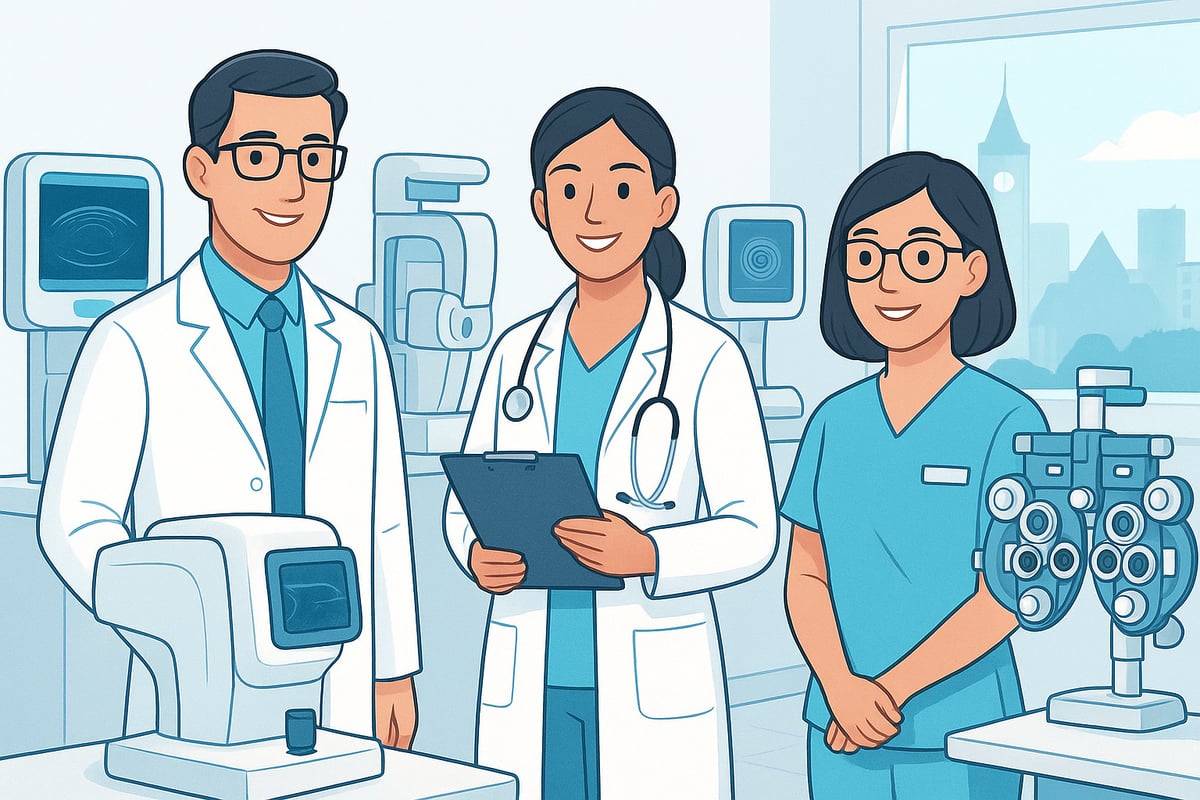
Glasses doctors is a term that typically encompasses optometrists, ophthalmologists, and opticians. Each professional brings specific qualifications and responsibilities to the table. Optometrists hold a Doctor of Optometry degree and are licensed to conduct comprehensive eye exams, prescribe corrective lenses, and detect eye diseases. Ophthalmologists are medical doctors specializing in eye surgery and the treatment of complex eye conditions. Opticians, on the other hand, are trained to dispense and fit eyeglasses and contact lenses based on prescriptions provided by optometrists or ophthalmologists.
Together, these glasses doctors ensure that patients in Ontario receive thorough vision assessments, appropriate prescriptions, and guidance on eyewear selection. Their combined knowledge supports patients of all ages, from children to seniors.
Scope of Practice in Ontario
In Ontario, each type of glasses doctors has a defined scope of practice, regulated by provincial standards. Optometrists are authorized to diagnose and manage a broad range of eye conditions, as well as prescribe medications for certain ocular diseases. Ophthalmologists perform surgical procedures and manage advanced medical eye issues. Opticians focus on fitting and adjusting eyewear to achieve optimal vision correction.
Regulatory bodies oversee the licensing and conduct of all glasses doctors. For example, new optometry graduates must now complete the Canadian Board Exam to practice, ensuring consistent qualifications across the province. The number of practicing optometrists in Ontario continues to grow, reflecting the increasing demand for accessible eye care.
Collaboration in Vision Care
A collaborative approach is essential to delivering effective vision care in 2026. Glasses doctors frequently refer patients to one another, depending on the complexity of the case. For instance, an optometrist in Oshawa may identify signs of glaucoma during a routine exam and refer the patient to an ophthalmologist for specialized treatment. Opticians work closely with both optometrists and ophthalmologists to ensure that patients receive properly fitted eyewear.
This teamwork extends to coordination with family doctors and other healthcare providers. By sharing information and co-managing cases, glasses doctors help detect systemic diseases like diabetes early, leading to better patient outcomes.
Diagnostic Technology in Practice
The rapid adoption of advanced diagnostic tools is transforming the daily work of glasses doctors. Instruments like Optical Coherence Tomography (OCT) and digital refraction systems provide high-resolution images and precise measurements, supporting accurate diagnoses. These technologies allow glasses doctors to monitor changes in eye health over time, improving the ability to identify issues such as retinal disease and glaucoma at an earlier stage.
Digital platforms also streamline patient records, enabling more efficient communication between professionals. This integration of technology enhances the patient experience and supports informed decision-making.
Professional Growth and Preventative Focus
Ongoing education is vital for glasses doctors to stay current with new developments in eye care. Regulatory requirements in Ontario mandate regular professional development, ensuring that practitioners can safely implement new diagnostic and treatment approaches. Glasses doctors are increasingly focused on preventative care, encouraging patients to schedule routine eye exams and adopt healthy vision habits.
Early detection of eye conditions is a cornerstone of modern practice. By prioritizing prevention and education, glasses doctors help reduce the risk of long-term vision loss and support the overall health of their communities.
Innovations in Eye Exams and Diagnostic Technology
Ontario’s vision care landscape is evolving as glasses doctors embrace new diagnostic technologies and digital tools. These innovations help deliver more accurate assessments, improve patient experience, and support early detection of eye conditions. As screen time rises and vision needs diversify, understanding these changes can empower patients to make informed choices about their eye health.
Digital Transformation in Eye Exams
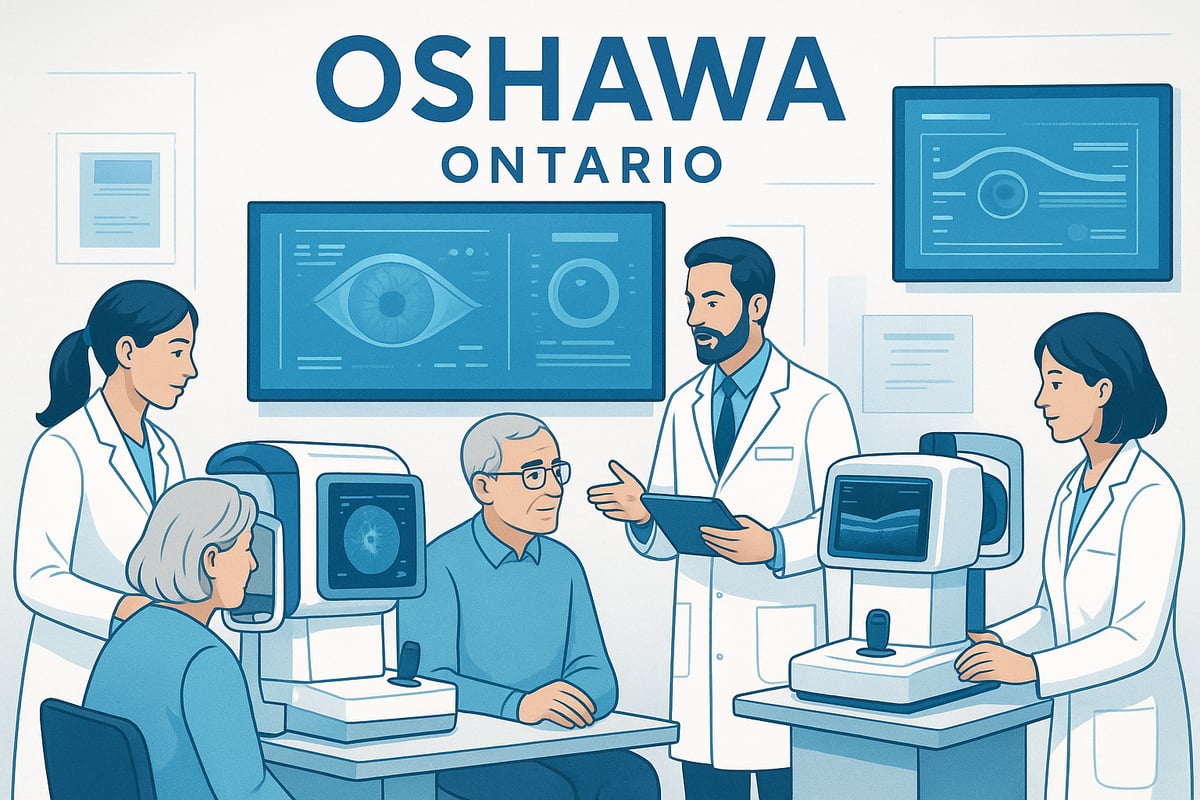
Digital technology is reshaping how glasses doctors perform eye exams in Ontario. Clinics now use tools like retinal imaging systems and automated visual field analyzers, which allow for non-invasive, high-resolution views of the eye’s internal structures. This digital shift enhances the precision of vision assessments and streamlines the patient experience.
One notable benefit is the speed at which glasses doctors can now identify subtle changes in eye health. Digital platforms enable seamless management of patient records, making it easier to track vision changes over time and coordinate care with other health providers. Remote consultations have also become more accessible, expanding options for patients who have mobility challenges or live in rural areas.
A recent survey from the Ontario Association of Optometrists found that over 85% of clinics in the province have adopted some form of digital diagnostic technology. This widespread integration supports efficient, consistent care across the region. As these tools become standard, patients can expect more comfortable and comprehensive exams when visiting glasses doctors.
Advanced Screening for Eye Conditions
Early detection is central to the approach of glasses doctors, especially as the prevalence of conditions like glaucoma, diabetic retinopathy, and myopia rises. Screening protocols have expanded to include Optical Coherence Tomography (OCT), a non-invasive imaging technique that provides detailed cross-sectional views of the retina. OCT plays a critical role in identifying structural changes before symptoms appear, allowing for earlier intervention and management.
Health Canada has approved several advancements in screening technology, ensuring that tools used by glasses doctors meet high standards for safety and accuracy. In Ontario, clinics have reported increased rates of early detection for diabetic eye disease, with recent OAO data indicating a significant rise in proactive case management compared to previous years.
For a deeper look at how OCT is transforming diagnostic capabilities, consider reading How OCT Has Transformed Eye Care. This technology is now a cornerstone in the toolkit of glasses doctors, providing crucial insights that support ongoing eye health for patients across Oshawa and beyond.
Personalized Eye Health Assessments
Glasses doctors are moving towards a more personalized approach to eye care, tailoring assessments to each patient’s age, lifestyle, and risk factors. Children, adults, and seniors all have unique vision needs, and modern assessments take this variation into account. For example, patients with a family history of eye disease or chronic health conditions may undergo specialized testing protocols to monitor for early changes.
Genetic and environmental factors are increasingly part of risk profiling, helping glasses doctors determine the most appropriate screening schedule. Regular check-ups are especially important for children and older adults, as these groups are at higher risk for developing vision issues that can affect quality of life.
High-risk patients in Ontario often follow enhanced monitoring protocols, which might include more frequent imaging, additional visual function tests, and lifestyle counseling. By integrating these personalized strategies, glasses doctors help ensure that every patient receives care that reflects their individual needs and circumstances.
Choosing the Right Eyewear: Lenses, Frames, and Functionality
Choosing the right eyewear is essential for both vision correction and daily comfort. In 2026, glasses doctors play a critical role in helping Ontarians navigate the many options for lenses and frames. Whether for work, leisure, or specific activities, personalized recommendations from glasses doctors can enhance both function and style.
Types of Lenses and Their Uses
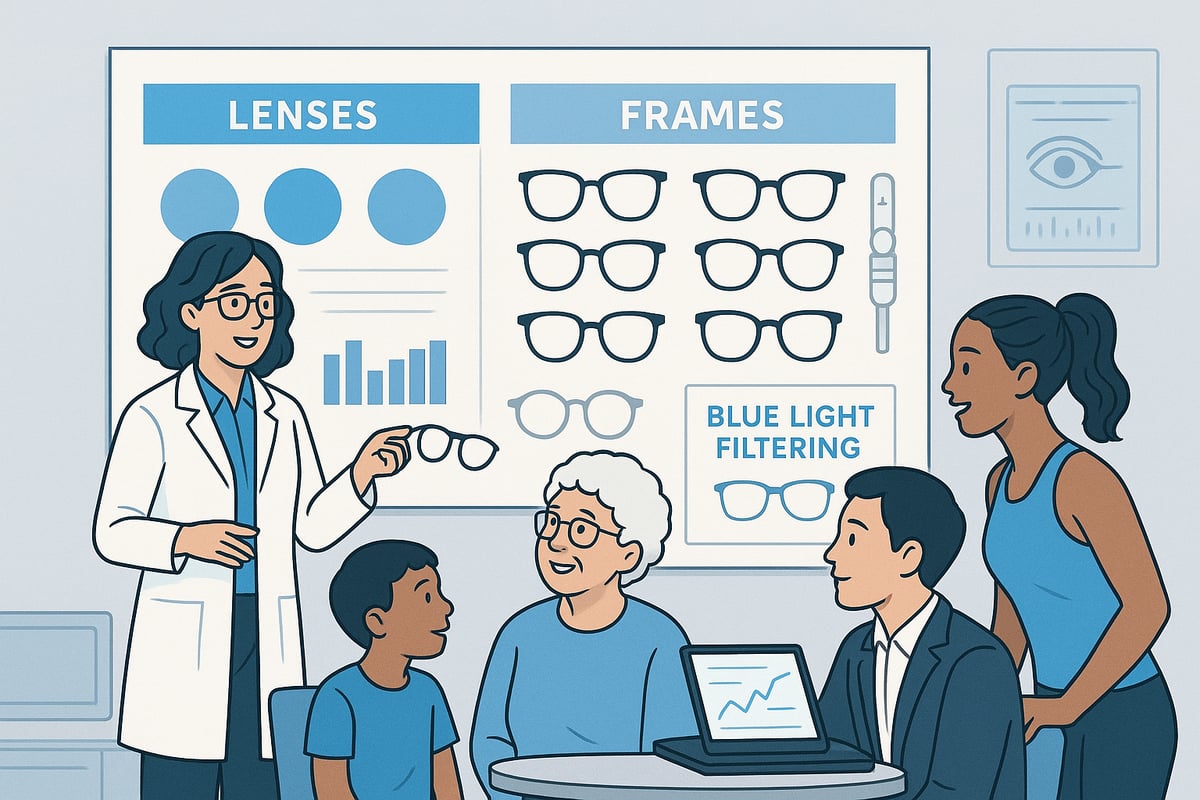
Glasses doctors assess your vision needs to recommend the most suitable lens type. The main categories include:
- Single Vision Lenses: Designed to correct one field of vision, ideal for nearsightedness or farsightedness.
- Bifocal Lenses: Feature two distinct segments for distance and near vision, often used for presbyopia.
- Progressive Lenses: Offer a gradual transition between multiple vision zones, eliminating visible lines.
- Specialty Lenses: Tailored for specific tasks, such as occupational lenses for computer users or prescription sunglasses for outdoor activities.
Lens materials have evolved to meet different lifestyles. Glasses doctors may suggest:
| Material | Benefits | Typical Use |
|---|---|---|
| Polycarbonate | Lightweight, impact-resistant | Children, safety eyewear |
| High-Index | Thinner, lighter for strong prescriptions | High prescriptions |
| Standard Plastic | Affordable, basic impact protection | General use |
Coatings add functionality. Common choices include anti-reflective, scratch-resistant, and UV protection coatings. For digital device users, blue light filtering lenses are increasingly recommended by glasses doctors to help manage digital eye strain. For more on this topic, see Understanding Digital Eye Strain.
Proper lens selection can reduce visual fatigue and support eye health, especially with extended screen use. Glasses doctors will review your daily habits, age, and any occupational hazards before making a recommendation.
Frame Selection: Style, Comfort, and Fit
Frames are more than a fashion statement—they support the lenses prescribed by glasses doctors and must fit comfortably for all-day wear. Key factors influencing frame choice include:
- Face Shape: Glasses doctors consider your facial features to recommend flattering shapes.
- Lifestyle: Active individuals may need durable frames, while those with allergies might require specific materials.
- Allergies: Hypoallergenic materials like titanium or stainless steel can be crucial for sensitive skin.
Common frame materials used by glasses doctors are:
| Material | Features | Notes |
|---|---|---|
| Acetate | Lightweight, colorful | Flexible, hypoallergenic |
| Titanium | Strong, hypoallergenic | Corrosion-resistant |
| Stainless Steel | Durable, sleek | Lightweight, modern look |
A professional fitting ensures optimal comfort and vision. Glasses doctors use precise measurements to adjust nose pads, temples, and bridge width. This minimizes pressure points and helps maintain correct lens alignment.
In 2026, Canadian frame trends highlight minimalist designs, eco-friendly materials, and bold colors. Glasses doctors stay informed about these trends to offer choices that suit both function and personal taste.
Eyewear for Special Needs and Activities
Glasses doctors address unique vision needs by recommending specialized eyewear for different situations. In Ontario, workplace safety regulations often require prescription safety glasses for certain professions. These glasses provide both impact protection and vision correction.
Sports eyewear is another area where glasses doctors offer guidance. Protective features such as shatter-resistant lenses and wraparound frames help reduce the risk of eye injuries during activities like hockey, cycling, or racquet sports.
Pediatric eyewear requires special attention to durability and comfort. Glasses doctors select frames that withstand active play and fit growing children properly. Pediatric frames often feature flexible hinges and soft materials to enhance comfort.
For some Ontario professions, specific vision testing and eyewear compliance are mandatory. Glasses doctors stay current with these requirements to support patients in meeting regulatory standards.
Selecting the right eyewear is a collaborative process. Glasses doctors combine clinical expertise with knowledge of lifestyle and occupational needs, ensuring each patient receives effective and comfortable solutions for their daily activities.
Pediatric and Senior Vision Care: Special Considerations
Vision care needs change significantly throughout life, making specialized support from glasses doctors essential for both children and seniors in Ontario. Understanding the unique requirements of these age groups helps families and caregivers prioritize eye health and make informed decisions.

Children’s Eye Health and Myopia Management
Children’s vision is a cornerstone of their development, learning, and well-being. Glasses doctors recommend that Ontario children have their first comprehensive eye exam by age three, with annual follow-ups until age 19. The Ontario Health Insurance Plan (OHIP) covers these visits, making pediatric eye care accessible for families.
Myopia, or nearsightedness, is on the rise among children, especially with increased screen time and less outdoor activity. Glasses doctors can manage myopia progression using specialized lenses, such as multifocal or orthokeratology options, and by offering lifestyle guidance. According to the Ontario Association of Optometrists, the prevalence of childhood myopia has increased, prompting more schools to partner with vision professionals for regular screenings.
School vision screening programs help identify issues early, allowing glasses doctors to create personalized care plans. When children are referred for further assessment, prompt intervention can support academic success and reduce long-term risks. Family education is also vital, with glasses doctors advising on limiting screen time, encouraging outdoor play, and recognizing signs of visual strain.
Common pediatric eye concerns include amblyopia, strabismus, and refractive errors. Early detection and regular exams ensure timely management and adaptation of eyewear as children grow. Glasses doctors play an ongoing role in monitoring these changes and recommending age-appropriate frames for comfort and durability.
Vision Care for Seniors
As individuals age, the risk of developing eye conditions increases, making regular assessments by glasses doctors crucial for maintaining independence and quality of life. In Ontario, OHIP covers annual comprehensive eye exams for residents aged 65 and above, supporting early detection and ongoing management of age-related changes.
Common conditions affecting seniors include cataracts, age-related macular degeneration, glaucoma, and presbyopia. Glasses doctors use advanced diagnostic tools to assess these conditions and guide patients on treatment or referral options. Assistive devices, such as magnifiers and specialized lenses, help manage low vision and support daily activities.
Community resources in Oshawa and across Ontario offer additional support for seniors, including vision rehabilitation, peer groups, and educational workshops. According to provincial data, the incidence of vision impairment rises with age, highlighting the importance of regular care and proactive management.
For a detailed overview of senior eye health, visit the Vision Care for Seniors Guide, which outlines practical strategies and resources available in the region.
Glasses doctors also advise on frame selection for comfort, addressing factors like arthritis or skin sensitivity, and coordinate with other healthcare providers when vision changes signal broader health concerns. By scheduling routine exams and staying informed, seniors can work with glasses doctors to adapt their care as needs evolve.
Regulatory Updates and Insurance Coverage in Ontario
Ontario’s regulatory landscape for vision care is evolving to keep pace with new technologies and patient needs. Glasses doctors must comply with both Health Canada standards and the Ontario Association of Optometrists (OAO) guidelines. Regulatory bodies set strict protocols for eye exams, prescription accuracy, and ongoing practice standards. This ensures that all glasses doctors provide safe, effective care and remain current with changes in the field.
OHIP continues to play a central role in vision care coverage. In 2026, eye exams are covered for children aged 0 to 19 and seniors 65 and older, as well as for adults with specific medical conditions like diabetes or glaucoma. Glasses doctors are responsible for ensuring eligibility and guiding patients through the coverage process. These guidelines help families and seniors access essential eye health services without unexpected costs.
Private insurance is increasingly important for Ontario residents. Many plans offer direct billing and expanded coverage for lenses and frames, supplementing OHIP’s basic benefits. According to recent data, over 60 percent of Ontarians now have some form of private vision insurance. Glasses doctors often help patients navigate these options, ensuring they maximize available benefits and understand what is included in their policy.
Licensing and continuing education are strictly regulated for all glasses doctors in Ontario. The province requires optometrists to pass the Canadian Board Exam for licensure, a process described in detail in the new registration requirements for optometry graduates. Ongoing education is mandated to uphold clinical standards and adapt to emerging technologies. Patient rights and informed consent remain a priority, with federal advocacy groups such as the Canadian Association of Optometrists promoting transparent policies, accessibility, and ethical care across Ontario’s vision sector.
Expert Recommendations for Optimal Eye Health in 2026
Maintaining optimal vision in 2026 requires a proactive approach. Glasses doctors recommend that Ontario residents stay informed and follow evidence-based strategies to protect their eye health. Regular check-ups, lifestyle adjustments, and timely action can make a significant difference.
Recommended Eye Exam Frequency (Ontario OAO Guidance)
The Ontario Association of Optometrists (OAO) advises scheduling eye exams based on age and risk factors. Glasses doctors use these intervals to detect changes early and manage vision health.
| Age Group | Frequency | OHIP Coverage |
|---|---|---|
| 0–19 years | Annually | Yes |
| 20–64 years | Every 1–2 years (risk-based) | Specific conditions only |
| 65+ years | Annually | Yes |
Risk factors such as diabetes or family history may require more frequent assessments.
Key Strategies for Eye Health Maintenance
Glasses doctors highlight several practical steps for ongoing eye wellness:
- Limit extended screen time, especially for children and teens.
- Use the 20-20-20 rule: every 20 minutes, look at something 20 feet away for 20 seconds.
- Wear sunglasses with UV protection when outdoors.
- Choose lenses and coatings that filter blue light if using digital devices extensively.
- Maintain a diet rich in leafy greens, fish, and antioxidants.
These strategies help reduce digital eye strain and support overall visual comfort.
Checklist: Preparing for Your Eye Exam
Before visiting glasses doctors, Ontario residents should:
- Bring a list of current medications.
- Note any changes in vision or eye discomfort.
- Prepare questions about lens options or frame selection.
- Bring previous eyewear or prescriptions.
- Confirm OHIP or private insurance coverage.
Being prepared ensures a thorough assessment and efficient appointment.
When to Seek Urgent Care
Contact glasses doctors immediately if you notice:
- Sudden vision loss or blurred vision
- Flashes of light or new floaters
- Eye pain, redness, or severe discomfort
- Double vision
Prompt evaluation can help manage serious eye conditions and protect your sight.
Ongoing Education and the Value of Professional Consultation
The field of optometry evolves constantly. Glasses doctors in Ontario stay updated through continuing education, including curriculum advances like those at the University of Waterloo’s School of Optometry. Patients should also keep informed and consider guidance from reliable sources when choosing providers. For insights on selecting the right professional, review this Choosing the Right Optometrist guide.
Outcomes of Regular Eye Exams
Data from the OAO shows that routine visits to glasses doctors support early detection of conditions such as glaucoma and diabetic retinopathy. Early identification allows for timely management, reducing the risk of long-term vision impairment in Ontario residents.
As we look ahead to 2026, staying proactive about your eye health has never been more important, especially as new technologies and personalized care options emerge. If you want expert guidance on choosing the right lenses, frames, or managing vision concerns for your family, Durham Vision Care is here to help. With comprehensive eye exams, advanced diagnostic tools, and a patient-first approach, you can trust their team to keep your vision at its best. Ready to take the next step toward clearer, healthier sight? Book an Appointment today and experience the difference personalized eye care makes.






Recent Comments