
Eye health is a growing priority across Ontario in 2026. With more people spending hours on screens and the population aging, concerns about vision have become widespread. Recent advances in diagnostics and new public health recommendations are shaping how in focus eye care is delivered.
Expert guidance plays a key role in helping individuals and families maintain optimal vision and prevent common eye conditions. This guide explores current eye health trends, preventive steps, new technologies, expert recommendations, and how to navigate Ontario’s eye care system.
Gain actionable insights and expert perspectives to keep your vision in focus this year.
The Landscape of Eye Health in 2026
Ontario’s vision health landscape is rapidly changing as we enter 2026. The region faces unique challenges, from rising screen time to an aging demographic. Understanding these trends is essential for anyone seeking comprehensive in focus eye care.
Key Eye Health Trends in Ontario
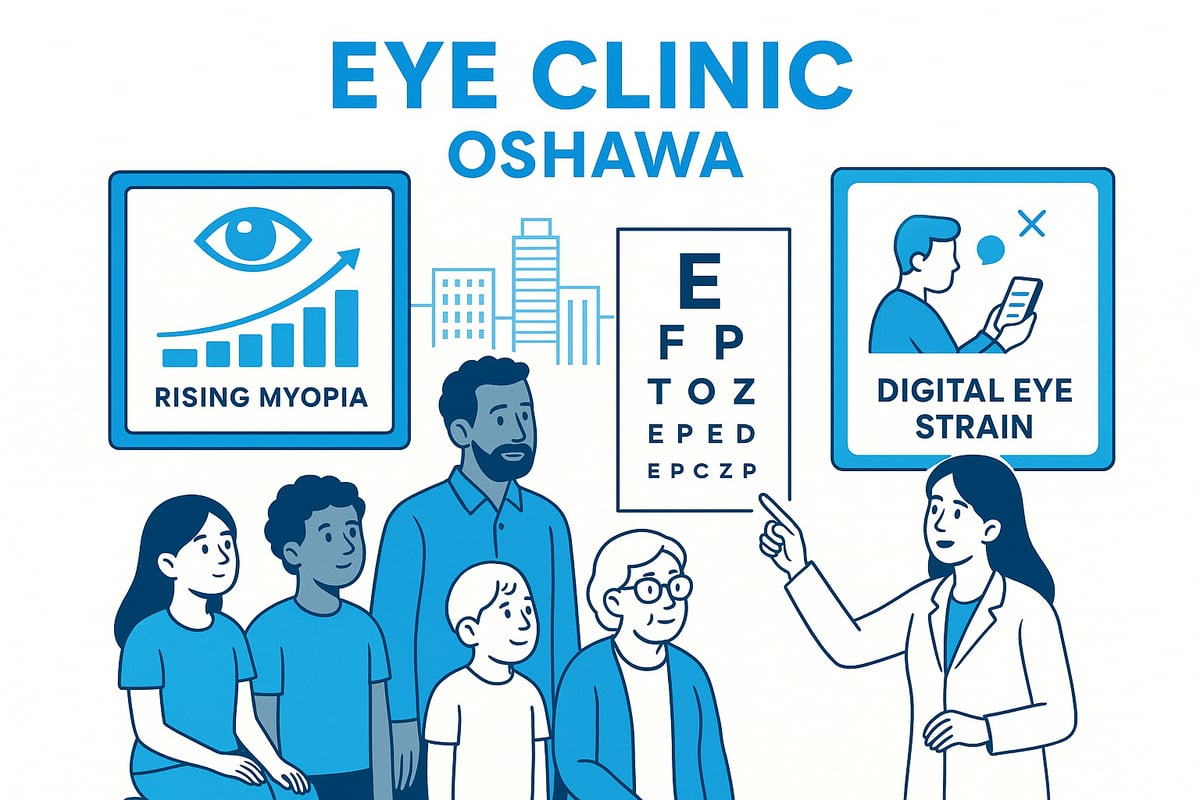
Recent years have seen significant increases in myopia and digital eye strain among both children and adults in Ontario. Health Canada projects that by 2026, myopia rates will continue to climb, especially in younger populations. The widespread use of digital devices for work, education, and leisure has contributed to this trend, making in focus eye care a priority for families and individuals.
Older adults in the province are also experiencing a higher prevalence of age-related eye conditions. Cataracts, glaucoma, and age-related macular degeneration (AMD) are more common as the population ages. Public health campaigns in Oshawa and Durham are working to raise awareness about early detection and regular screening.
Access to vision care is not uniform across the region. Socioeconomic factors can limit access in certain communities, affecting outcomes for residents. Regular eye exams remain a cornerstone of in focus eye care, helping to identify problems early and manage chronic conditions. Health Canada and the Ontario Association of Optometrists stress the importance of vision screening, especially for at-risk groups.
To illustrate the impact, regions with higher screening rates show better vision health outcomes. For more information on the prevalence and impact of vision loss, see Blindness in Canada Statistics.
The Impact of Lifestyle and Environment
Urbanization in Ontario has led to fewer opportunities for outdoor activities, which research links to increased rates of myopia in children. The shift toward remote work and digital learning means more time spent in front of screens, increasing concerns about blue light exposure and digital eye strain. These lifestyle changes make regular in focus eye care even more important.
Environmental risk factors also influence eye health. Prolonged UV exposure, often overlooked in daily routines, can raise the risk of cataracts and other issues. Smoking is another significant risk factor for eye disease and vision decline. Nutrition plays a vital role as well, with diets rich in vitamin A, omega-3 fatty acids, and lutein supporting healthy eyes.
A simple table can help summarize these risk factors:
| Risk Factor | Impact on Eye Health | Prevention Strategy |
|---|---|---|
| Blue light | Digital eye strain, fatigue | Screen breaks, filters |
| UV exposure | Cataracts, retinal damage | Sunglasses, hats |
| Poor nutrition | Dry eyes, AMD risk | Balanced diet, supplements |
| Smoking | Increased vision loss risk | Smoking cessation |
By understanding how daily habits and the environment affect vision, residents of Oshawa and Durham can take practical steps to support in focus eye care now and in the years ahead.
Essential Steps for Preventive Eye Care
Taking proactive steps is key to maintaining clear vision and eye comfort in Ontario. The in focus eye care approach emphasizes regular monitoring, healthy habits, and informed choices. The following five steps offer a practical guide for families and individuals seeking to protect their eyesight now and in the years ahead.
Step 1: Scheduling Regular Eye Exams
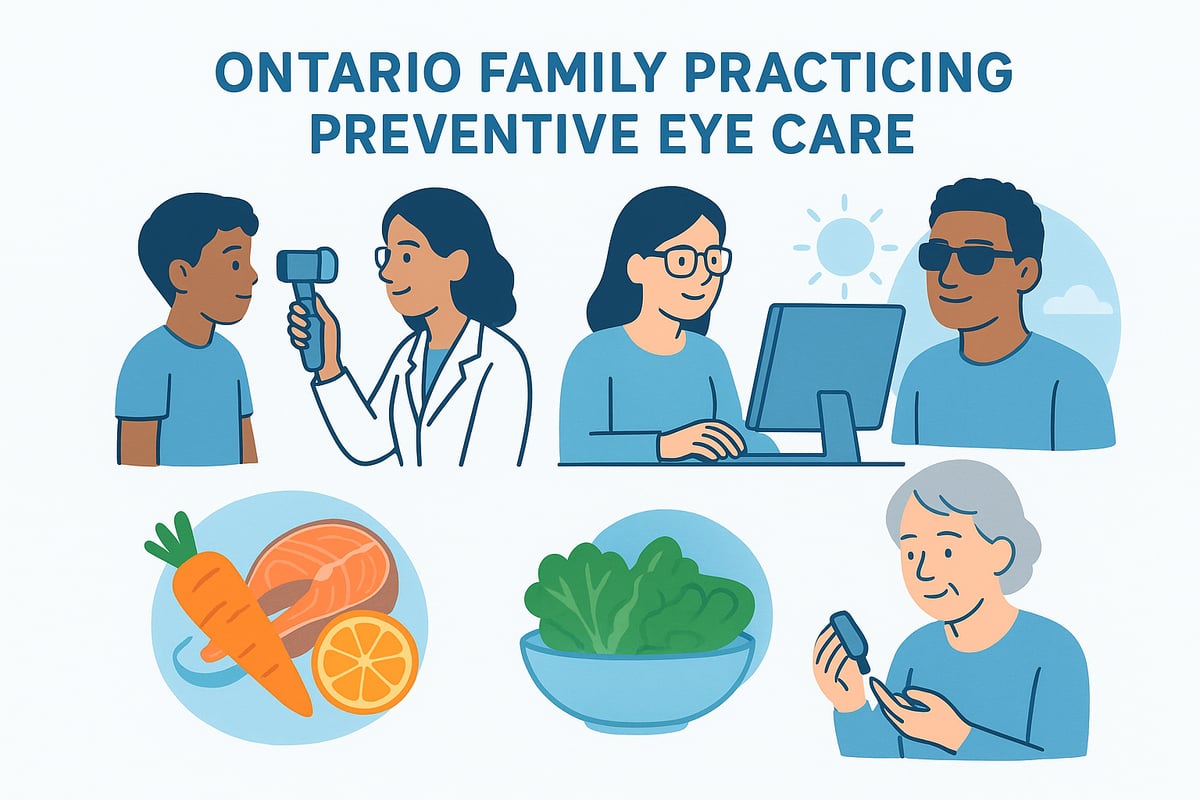
Routine eye exams are a foundation of in focus eye care for all ages. Health Canada and the Ontario Association of Optometrists (OAO) recommend that children and youth (0-19) and seniors (65+) receive annual eye exams, which are covered by OHIP. Adults aged 20-64 should schedule exams every 1-2 years, especially if they have risk factors such as diabetes or a family history of eye disease.
Missing regular exams can delay early detection of amblyopia in children or diabetic retinopathy in adults, potentially leading to preventable vision loss. Regular checkups also help monitor prescription changes and overall eye health.
For more on why consistent exams matter, see Why Regular Eye Exams Matter.
Step 2: Practicing Healthy Screen Habits
With increased screen time in Ontario households, practicing in focus eye care means adopting strategies to reduce digital eye strain. The 20-20-20 rule—taking a 20-second break to look at something 20 feet away every 20 minutes—can ease discomfort. Adjusting screen brightness, position, and font size can help maintain eye comfort throughout the workday.
Children benefit from regular breaks and clear limits on recreational screen time. Ergonomic setups, such as proper desk height and monitor placement, also reduce the risk of computer vision syndrome, which is becoming more common in Ontario workplaces.
Simple changes can make a significant difference in daily comfort and long-term visual health.
Step 3: Protecting Eyes from Environmental Hazards
Environmental factors play a major role in in focus eye care. Ultraviolet (UV) rays from the sun can increase the risk of cataracts and other eye conditions. Wearing sunglasses with 100% UV protection and wide-brimmed hats is recommended for outdoor activities.
Blue light exposure from digital devices is another concern. While blue light filtering lenses are available, evidence suggests their benefits may be limited, so discuss options with your optometrist. For those in construction, healthcare, or labs, protective eyewear is essential to reduce the risk of injury.
Taking these preventive actions helps safeguard vision in varied environments.
Step 4: Nutrition and Eye Health
Good nutrition supports in focus eye care at every age. Vitamins A, C, and E, along with minerals like zinc and omega-3 fatty acids, contribute to healthy eyes. Foods such as leafy greens, carrots, sweet potatoes, salmon, and eggs are excellent choices.
Supplements may be considered for those with dietary gaps or specific medical advice, but whole foods are usually preferred. Hydration is also important, as adequate water intake maintains tear film stability and reduces dry eye symptoms.
Below is a summary of key nutrients for eye health:
| Nutrient | Food Sources | Eye Health Benefit |
|---|---|---|
| Vitamin A | Carrots, sweet potato | Supports night vision |
| Omega-3 | Salmon, flaxseed | Reduces dry eyes |
| Lutein, Zeaxanthin | Spinach, kale | Protects retina |
Balanced nutrition is a simple but powerful tool for vision protection.
Step 5: Managing Chronic Health Conditions
Chronic conditions significantly impact in focus eye care. Diabetes can lead to diabetic retinopathy, one of the leading causes of vision loss in Ontario. Regular blood sugar monitoring and annual eye exams are critical for those with diabetes.
Hypertension affects blood vessels in the eyes, increasing the risk of vascular problems. Smoking is a modifiable risk factor linked to cataracts and macular degeneration. Quitting smoking and managing blood pressure help reduce these risks.
Working closely with healthcare providers and optometrists allows for early intervention and ongoing management of eye health concerns.
Emerging Technologies and Diagnostic Advances
Advancements in technology are shaping the future of in focus eye care across Ontario, especially in regions like Oshawa and Durham. With innovation driving new diagnostic tools and treatment options, both patients and eye care professionals benefit from earlier detection and improved management of vision health. Staying informed about these technologies is essential for anyone seeking to maintain optimal vision in 2026.
Innovations in Eye Exams and Imaging
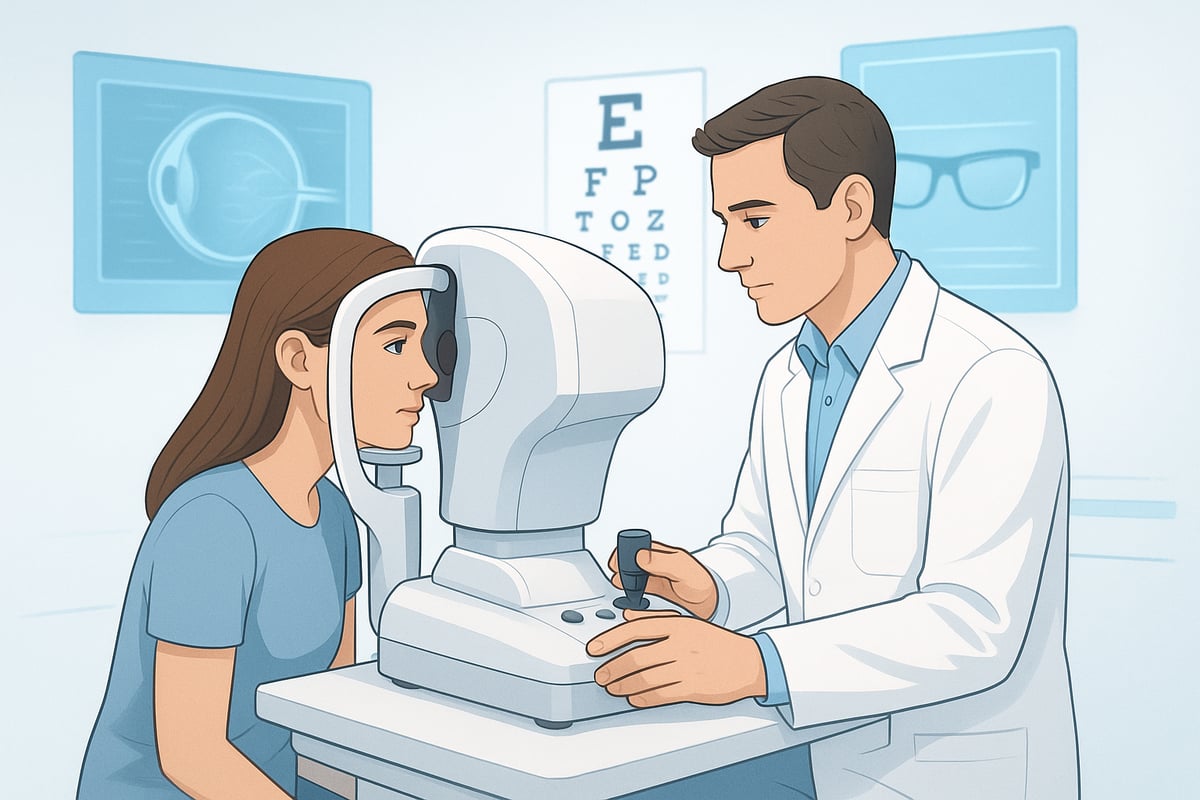
Ontario clinics are adopting advanced imaging tools that support in focus eye care. Optical coherence tomography (OCT) provides detailed, cross-sectional images of the retina, helping optometrists detect early changes linked to glaucoma, diabetic retinopathy, and macular degeneration. These non-invasive scans allow for more precise monitoring over time.
Retinal imaging technology captures high-resolution photographs, making it easier to track subtle changes in eye health. Newer screening methods for glaucoma and macular degeneration further enhance early detection, especially for at-risk groups.
For a deeper look at how these technologies are transforming local practices, see Advances in OCT Eye Exams. These tools ensure that in focus eye care is both thorough and tailored to each patient’s unique needs.
Advances in Myopia Management and Pediatric Eye Care
Myopia rates are climbing among Ontario’s youth, making early intervention a priority in focus eye care. Health Canada has approved several tools to help slow myopia progression, including MiYOSMART lenses and orthokeratology. These options reshape how children’s vision is managed, offering non-surgical approaches that fit into daily life.
Orthokeratology involves wearing special lenses overnight to temporarily reshape the cornea. In addition, spectacle lenses designed for myopia control are now widely available in Ontario. Pediatric eye exams remain essential for identifying vision changes early, supporting lifelong eye health.
Parents in Oshawa and Durham should discuss these advances with their optometrist to ensure their children receive comprehensive in focus eye care from an early age.
Contact Lens Developments and Digital Lenses
Contact lens technology has evolved, with daily disposables and silicone hydrogel materials improving comfort and breathability. In focus eye care now includes options tailored to digital lifestyles, such as blue light filtering lenses that help reduce digital eye strain.
Smart contact lenses are emerging, offering features like real-time health monitoring and adjustable focus. However, these remain under close regulatory review by Health Canada. Specialty lenses are also available for patients with unique needs, such as keratoconus or high refractive errors.
Choosing the right contact lens involves an assessment of vision, lifestyle, and occupational demands, ensuring that in focus eye care is both practical and personal.
The Role of Tele-optometry and Remote Monitoring
Tele-optometry is expanding access to in focus eye care, especially in rural and remote areas of Ontario. Virtual consultations allow patients to connect with optometrists for follow-ups, triage, and advice without leaving home. This approach is valuable for individuals managing chronic eye conditions who require regular monitoring.
Remote tools, such as home-based vision testing and mobile apps, support ongoing assessment between in-person visits. Privacy and data security are important considerations, so Ontario clinics use platforms that comply with provincial health information standards.
Tele-optometry complements traditional care, ensuring that in focus eye care remains accessible and efficient for all residents, regardless of location.
Expert Recommendations for Maintaining Vision in Focus
Protecting your eyes is essential for lifelong wellness. In focus eye care means following expert guidance, staying alert to changes, and using available resources in Ontario. Let us break down key recommendations from optometrists and health authorities to help you keep your vision clear and healthy.
Insights from Ontario Optometrists and Health Authorities
Ontario optometrists recommend regular eye exams tailored to age and risk factors. Children and teens (0–19) and adults 65+ are eligible for annual OHIP-insured exams. Adults aged 20–64 should schedule exams every one to two years, or more often if they have diabetes, a family history of eye disease, or other risk factors. You can review the Eye Exam Frequency Guidelines to find the schedule that matches your needs.
Immediate assessment is crucial if you notice symptoms like sudden vision changes, flashes of light, persistent pain, or new floaters. Preventive strategies include:
- Wearing protective eyewear during sports or hazardous work
- Following good contact lens hygiene
- Managing chronic conditions like diabetes or high blood pressure
Public health campaigns in Ontario stress vision safety for children, especially in sports settings. In focus eye care for families means being proactive, recognizing warning signs, and prioritizing regular check-ups.
Addressing Common Eye Concerns
Many people experience dry eye, allergies, or digital strain. Dry eye can result from environmental factors, screen use, or medication. Symptoms include burning, redness, and fluctuating vision. Management involves using artificial tears, limiting exposure to drafts, and taking breaks from screens.
Digital eye strain is increasingly common in Ontario workplaces, affecting both adults and children. To reduce discomfort, follow the 20-20-20 rule and set up ergonomic workspaces. For more tips, see these Digital Eye Strain Protection Tips.
Seasonal allergies can cause itching and tearing. Over-the-counter drops or prescription treatments may help. Contact lens users should clean and replace lenses as recommended to avoid infections. Prevalence of dry eye syndrome is rising, with Health Canada reporting higher rates among digital device users. Staying informed about in focus eye care helps you tackle these concerns early.
Durham Vision Care: Comprehensive Eye Care in Oshawa
Durham Vision Care delivers a full range of eye care services for Oshawa and Durham families. Their team provides comprehensive eye exams, pediatric assessments, and advanced diagnostic imaging. Early detection is a priority, especially for childhood myopia and age-related changes.
Myopia control solutions, including specialty lenses and personalized management plans, are available for children. Patients benefit from a wide selection of eyewear and convenient direct insurance billing. In focus eye care at Durham Vision Care is designed to support each patient’s unique needs and lifestyle.
Supporting Eye Health Across the Lifespan
Vision care needs change as we age. Pediatric in focus eye care includes early screening, monitoring for amblyopia, and managing myopia. For adults and seniors, regular exams help detect cataracts, glaucoma, and macular degeneration.
Occupational vision requirements can include visual field testing, safety eyewear, or specialty lenses for digital device use. Taking these steps ensures that in focus eye care supports daily living, work, and recreation for all ages.
Navigating Ontario’s Eye Care System in 2026
Navigating the in focus eye care landscape in Ontario requires understanding how services are structured and accessed. Many residents benefit from a blend of public and private coverage, but knowing the details can make a significant difference. Whether you are seeking preventive care, managing a chronic condition, or responding to an urgent need, the system offers several pathways.
Understanding Public and Private Coverage
Ontario’s eye care system combines public funding through the Ontario Health Insurance Plan (OHIP) and private options. OHIP covers routine eye exams for children (0-19 years), seniors (65+), and adults with specific medical conditions, such as diabetes or glaucoma. For most adults aged 20-64 without qualifying health conditions, routine eye exams are not publicly insured and require private insurance or out-of-pocket payment.
A summary table can help clarify coverage:
| Age Group / Condition | OHIP Coverage | Private Insurance Needed? |
|---|---|---|
| Children (0-19) | Yes | No (for routine exams) |
| Adults (20-64) (healthy) | No | Yes |
| Adults (20-64) (medical need) | Yes | No |
| Seniors (65+) | Yes | No (for routine exams) |
Recent changes to OHIP eligibility and frequency for optometry services mean it is important to stay updated. For the latest details, visit the OHIP Coverage for Eye Exams resource. Many families in Durham Region rely on a mix of public and supplemental coverage to keep their in focus eye care on track.
Choosing the Right Eye Care Provider
Selecting the appropriate provider is a key step in your in focus eye care journey. There are three main professionals:
- Optometrists: Primary care for vision exams, prescribing glasses or contact lenses, and diagnosing many conditions.
- Ophthalmologists: Medical doctors specializing in eye disease treatment and surgery, often accessed by referral.
- Opticians: Experts in fitting and dispensing eyewear, not qualified for eye health assessments.
When should you see each? Routine exams and vision changes typically start with an optometrist. If surgery or advanced disease management is needed, an ophthalmologist becomes involved. Always check provider credentials through the College of Optometrists of Ontario or the College of Physicians and Surgeons of Ontario. This ensures your in focus eye care remains in qualified hands.
Booking and Preparing for Your Eye Exam
Preparing for an in focus eye care appointment involves a few simple steps. Bring your health card (if eligible for OHIP coverage), any private insurance information, current prescription eyewear, and a list of medications or symptoms. For children, gather information on developmental milestones or any learning concerns.
Create a list of questions for your provider, such as changes in vision, family history of eye disease, and preventive strategies. Parents can help children feel comfortable by explaining what to expect and bringing a favorite toy or book. These small preparations make the in focus eye care experience smoother and more productive for everyone involved.
Accessing Urgent and Specialized Eye Care
Some symptoms require immediate attention within the in focus eye care system. Sudden vision loss, flashes of light, new floaters, or eye trauma are all urgent and should not be ignored. In Oshawa and Durham, optometrists often serve as the first point of contact for acute concerns and can triage or refer patients quickly.
For emergencies, some clinics offer same-day appointments, while hospitals provide 24-hour care for severe cases. Referral pathways exist for surgical and specialty care, such as retinal disease or pediatric ophthalmology. Timely action within the in focus eye care framework can help prevent long-term complications and support better outcomes.
Community Resources and Support
Ontario offers a variety of community resources to complement in focus eye care. Vision rehabilitation services are available for individuals with low vision, helping them adapt and maintain independence. Local organizations, such as CNIB, provide support, education, and adaptive tools.
Educational resources are also accessible through public health units, libraries, and online platforms. For further insight into Canadians’ attitudes and access to optometric care, consult the Canada Eyecare Report 2025. Staying connected with these supports ensures comprehensive in focus eye care across all ages and needs.
As we look ahead to 2026, taking charge of your vision health has never been more important—especially with the rise in screen time and the latest advances in eye care highlighted in this guide. Whether you’re managing digital eye strain, staying ahead of age-related changes, or ensuring your child’s eyes are developing properly, regular expert care makes all the difference. At Durham Vision Care, you’ll find compassionate professionals ready to help you protect your sight with personalized exams and the newest diagnostic tools. If you’re ready to keep your vision in focus, Book an Appointment today.






Recent Comments