
Vision health is a vital part of your overall well-being, yet it often goes unnoticed until challenges appear. In today’s world, understanding how to care for your eyes is more important than ever.
This guide is designed to help you navigate the evolving landscape of medical vision center services in 2026. You will learn what to expect, how to prepare, and which advancements are shaping vision care in Ontario.
Explore the essential services, new technologies, and important steps that can help you protect your sight. By staying informed, you can make confident decisions about your eye health and take proactive steps toward lasting vision wellness.
Understanding Medical Vision Centers in 2026
In 2026, the role of a medical vision center is more important than ever for maintaining overall eye health. These centers are equipped to address a wide range of visual needs, from routine exams to complex condition management. Understanding what defines a modern medical vision center can help you navigate your options and make informed choices about your care.
Definition and Scope of Medical Vision Centers
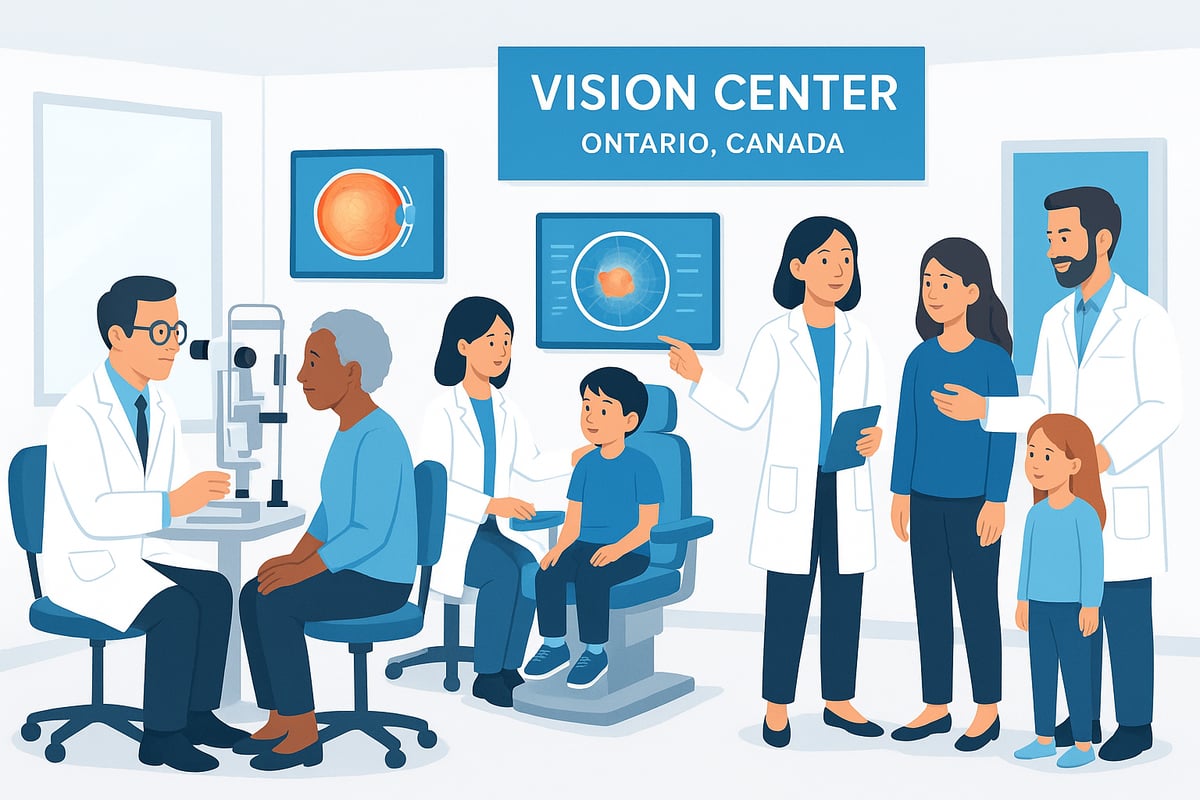
A medical vision center in 2026 serves as a comprehensive hub for eye health services. It brings together optometrists, ophthalmologists, and optical dispensaries under one roof. Optometrists focus on routine eye care and vision correction. Ophthalmologists provide medical and surgical care for complex eye diseases. Optical dispensaries support eyewear selection and fitting.
These centers now feature expanded roles, with multidisciplinary teams including technicians, vision therapists, and support staff. Collaboration among professionals ensures thorough assessments and coordinated care.
A medical vision center also plays a role in health education, prevention, and early detection, making it a vital part of community wellness.
Core Services Provided
At a medical vision center, patients can access a broad range of services tailored to their needs. Comprehensive eye exams are available for all ages, forming the foundation of preventive care. These exams assess visual acuity, refraction, and overall eye health.
Additional services include contact lens assessments, fittings, and ongoing management. Diagnosis and treatment of common conditions such as dry eye, myopia, and allergies are also standard offerings. For urgent issues, many centers provide emergency eye care.
For a detailed look at what to expect from a comprehensive assessment, explore this guide on comprehensive eye exams in Oshawa.
Integration of Technology
Medical vision center technology is advancing rapidly. Optical Coherence Tomography (OCT) and digital retinal imaging are now routinely used for early detection of retinal changes. These tools help monitor disease progression and guide treatment decisions.
Tele-optometry allows for virtual consultations, making care more accessible, especially in remote areas. Electronic health records and patient portals support secure information sharing and enhance communication between patients and providers.
Technology integration ensures that a medical vision center can deliver efficient, accurate, and coordinated services.
Patient-Centric Approach
Personalized care is a hallmark of the modern medical vision center. Clinicians develop individualized care plans based on each patient’s history, lifestyle, and risk factors. Education is emphasized to help patients understand their conditions and treatment options.
Preventive strategies, such as regular screenings and lifestyle counseling, are prioritized. Accessibility is built into the environment, with accommodations for children, seniors, and those with special needs. This approach ensures that everyone receives respectful, effective care at a medical vision center.
Evolving Role in Community Health
Medical vision centers are increasingly recognized as primary access points for eye health. They collaborate with family physicians, endocrinologists, and other specialists to manage conditions like diabetes that can affect vision.
Community outreach programs raise awareness about the importance of eye exams and preventive care. Public education initiatives, school screenings, and partnerships with local organizations help extend the reach of the medical vision center, supporting broader community health goals.
Key Services and Innovations in Vision Care
Maintaining optimal eye health relies on understanding the diverse services and innovations offered at a medical vision center. In Ontario, these centers deliver comprehensive care that adapts to the needs of children, adults, and seniors. The following sections highlight the key offerings and advancements available in 2026.

Comprehensive Eye Examinations
A medical vision center conducts eye exams that go beyond a simple check of clarity. Examinations include:
- Visual acuity measurement
- Refraction to determine prescription
- Eye health assessment (retina, optic nerve, intraocular pressure)
Frequency of exams is based on age and risk factors. According to Health Canada and the Ontario Association of Optometrists, children (0-19) and seniors (65+) are eligible for annual exams covered by OHIP. Adults aged 20-64 without medical conditions may require exams every one to two years, with coverage depending on eligibility.
An eye exam at a medical vision center ensures early detection and management of conditions that can impact vision throughout life.
Advanced Diagnostic Tools
Modern medical vision centers utilize advanced technology to enhance diagnostic accuracy. Optical Coherence Tomography (OCT) provides high-resolution cross-sectional images of the retina and optic nerve, enabling early identification of diseases such as glaucoma and macular degeneration. Digital imaging helps track changes over time, offering a precise record for ongoing care.
Visual field testing is available for licensing and employment requirements, supporting comprehensive assessments. By integrating these tools, a medical vision center can deliver thorough evaluations tailored to each patient.
Myopia Control and Pediatric Eye Care
A medical vision center plays a critical role in managing myopia, especially in children. Myopia control strategies, such as MiYOSMART® lenses, aim to slow the progression of nearsightedness. Early detection through specialized pediatric assessment protocols is essential for long-term eye health.
Pediatric eye care also includes visual development checks and management of conditions like amblyopia or strabismus. For more on myopia control strategies, see Myopia management and pediatric eye care. Families can expect a supportive environment focused on education and prevention.
Contact Lens Solutions and Eyewear Selection
Personalized fitting processes at a medical vision center ensure comfort and safety for contact lens wearers. Services include:
- Fittings for soft and specialty lenses (e.g., toric, multifocal)
- Training and care instructions for new users
- Assessment for suitability based on lifestyle and eye health
Eyewear selection is also tailored, with a range of frames and lenses to address diverse needs, including blue light protection and prescription sunglasses. The medical vision center team helps patients make informed choices that support vision and style.
Dry Eye Assessment and Management
Dry eye syndrome is increasingly common and can affect comfort and quality of life. At a medical vision center, assessment begins with a thorough evaluation of symptoms, tear film stability, and ocular surface health. Personalized treatment plans may include artificial tears, prescription therapies, or lifestyle modifications.
According to the Ontario Association of Optometrists, dry eye impacts a significant portion of the population, especially among adults and seniors. Ongoing care at a medical vision center helps manage symptoms and prevent complications.
LASIK and Refractive Surgery Co-Management
For those considering vision correction surgery, a medical vision center offers co-management services. This includes:
- Pre-operative assessments to determine candidacy
- Education on risks, benefits, and alternatives
- Post-operative follow-up to monitor healing and outcomes
Referral networks connect patients with ophthalmologists specializing in LASIK or other refractive procedures. The medical vision center ensures continuity of care, supporting informed decision-making and ongoing eye health.
Navigating Eye Care in Ontario: Regulations, Coverage, and Access
Navigating the landscape of eye care in Ontario can feel complex, but understanding the rules, coverage, and processes at a medical vision center makes access much smoother. With evolving standards and a focus on patient safety, Ontario residents can feel confident about their eye health journey.

Regulatory Environment and Professional Standards
A medical vision center in Ontario operates under strict regulatory frameworks. The College of Optometrists of Ontario (COO) oversees licensing, ensuring all optometrists meet educational and professional requirements. Continuing education is mandatory, which keeps practitioners up to date with new protocols and patient care standards.
Infection control is a top priority in every medical vision center. Clinics follow rigorous cleaning routines and uphold privacy standards under Ontario health law. Patient information is protected, and every center must comply with the Personal Health Information Protection Act (PHIPA). These measures help foster trust and safety for everyone.
OHIP Coverage and Private Insurance
Understanding what Ontario Health Insurance Plan (OHIP) covers is key when visiting a medical vision center. Children (0–19 years) and seniors (65+) are eligible for government-funded annual eye exams. Adults aged 20–64 may be covered if they have specific medical conditions, such as diabetes or glaucoma.
Some services and advanced testing are not covered by OHIP for many adults. Here, private insurance plans can help fill the gap, covering costs for exams or diagnostic imaging. For full details on eligibility and what is included, visit the OHIP eye exam coverage resource. Checking your coverage before your appointment helps you avoid surprises.
Booking and Preparing for Your Appointment
Before your visit to a medical vision center, preparation is important. Bring your Ontario health card, a list of current medications, and any prescription eyewear. Many centers will provide pre-appointment questionnaires or consent forms to streamline the process.
Accessibility is a focus at every medical vision center. Facilities offer accommodations for mobility, sensory, or language needs, ensuring everyone can participate fully in their care. Inform staff ahead of time if you require any specific support.
Understanding Your Eye Health Report
After your exam, the medical vision center will provide an eye health report. This document explains findings such as prescription details, eye pressure, and retinal images. Clinicians will walk you through the results and help interpret recommendations.
Patients have the right to access their own records at any time. Reviewing your report and understanding follow-up schedules encourages active participation in your eye health. If you have questions, the staff at your medical vision center can clarify next steps.
Steps for Urgent and Emergency Eye Care
Knowing when to seek urgent care at a medical vision center is crucial. Symptoms like sudden vision loss, severe pain, or flashes of light require immediate attention. Many centers offer emergency appointments or coordinate with local hospitals and specialists for critical situations.
If you suspect an eye emergency, contact your medical vision center right away. Staff can advise on the best course of action, ensuring you receive prompt assessment and care. Quick response helps protect your vision and overall health.
The Patient Experience: What to Expect at Your Vision Center Visit
Visiting a medical vision center in Ontario is designed to be a smooth and reassuring process. Whether you are a first-time patient or returning for ongoing care, understanding what each step involves helps you feel confident and prepared. The patient experience focuses on comfort, clarity, and accessibility from start to finish.

The Appointment Journey: Step-by-Step
A typical visit to a medical vision center begins with scheduling and check-in. Upon arrival, staff greet you and verify your information. You will be asked to provide your health card, a list of current medications, and any eyewear you use.
Next, a technician or assistant conducts preliminary assessments. This may include measuring visual acuity, checking eye pressure, and gathering your medical history. The optometrist or ophthalmologist then performs a comprehensive eye exam tailored to your needs.
If you experience urgent symptoms such as sudden vision loss or eye pain, inform the team immediately. Many centers offer urgent and emergency eye care services for rapid assessment and coordination with specialists. After your examination, staff explain the next steps and help you schedule follow-up appointments.
Communication and Education
Clear communication is central to the medical vision center experience. Clinicians explain findings in accessible language and discuss your options for treatment or management. They encourage you to ask questions about your eye health, test results, or recommended procedures.
Patient education resources, such as brochures or digital materials, are available to deepen your understanding. For example, you might learn about diagnostic tools like OCT by reading educational articles or speaking with staff. This empowers you to make informed decisions regarding your care and fosters a collaborative approach to vision health.
Pediatric and Senior Patient Considerations
Medical vision center teams are trained to address the needs of patients across the lifespan. For children, staff use age-appropriate language and visual aids to reduce anxiety during exams. Parents or guardians are invited to participate in discussions and care planning.
For seniors, the focus is on comfort, clarity, and patience. Examinations may be adapted for mobility limitations or cognitive changes. Family involvement is encouraged to support understanding and adherence to care recommendations. The goal is to create a welcoming environment for all ages at the medical vision center.
Infection Control and Safety Protocols
Safety is a top priority at every medical vision center. Enhanced cleaning routines are in place for all equipment and surfaces. Staff use personal protective equipment such as gloves and masks, especially during close-contact procedures.
Appointment times are spaced to minimize crowding and allow thorough disinfection between visits. Hand sanitizer is readily available, and signage reminds patients of hygiene practices. These protocols help maintain a safe environment for everyone, including those with compromised immune systems or underlying health conditions.
Accessibility and Inclusivity
A medical vision center in Ontario prioritizes accessibility and inclusivity for all patients. Facilities are designed to be barrier-free, with ramps, wide doorways, and accessible washrooms. Language interpretation services and communication aids are offered to support those with hearing or vision impairments.
Cultural sensitivity is woven into every aspect of care, ensuring patients from diverse backgrounds feel respected and understood. Staff receive ongoing training in inclusive practices, helping each person receive care tailored to their unique needs within the medical vision center.
Emerging Trends and the Future of Vision Centers
The landscape of medical vision center services is rapidly evolving across Ontario, especially as we look toward 2026. Patients and providers alike are seeing new opportunities through digital health, artificial intelligence, and expanded community outreach. The following sections explore the pivotal trends shaping the future of the medical vision center and what they mean for your eye health journey.
Digital Health and Tele-Optometry
Digital health is transforming the patient experience at every medical vision center. Virtual consultations allow patients in rural and urban areas to connect with optometrists without leaving home. Secure tele-optometry platforms provide real-time assessments, prescription updates, and follow-ups. This trend is especially valuable for those with mobility challenges or limited access to transportation.
Data privacy and security are essential in these virtual interactions. Ontario’s regulatory bodies ensure all tele-optometry services meet strict confidentiality standards. For example, applications like PerceptronCARE teleophthalmology application are advancing remote diabetic retinopathy screening, making early detection more accessible through medical vision center networks.
Artificial Intelligence and Smart Diagnostics
Artificial intelligence is now routinely integrated into the diagnostic workflow at the medical vision center. AI-powered software can analyze retinal images, detect subtle changes, and flag potential conditions for clinician review. This technology supports faster, more precise assessments for diseases like glaucoma and diabetic retinopathy.
Automated image analysis tools supplement traditional diagnostic equipment, such as Optical Coherence Tomography (OCT). For more on how OCT is transforming diagnostics in vision centers, visit Advanced OCT technology in eye care. These advancements help the medical vision center team manage eye health efficiently and support early intervention strategies.
Personalized and Preventive Eye Care
A medical vision center is increasingly focused on personalized and preventive care. Using genomic risk profiling and lifestyle assessments, clinicians tailor recommendations to each patient’s unique needs. Preventive programs include educational workshops, vision wellness plans, and ongoing monitoring for at-risk populations.
By emphasizing prevention, a medical vision center helps address conditions before they progress. Patients receive guidance on screen time, nutrition, and protective eyewear as part of a holistic approach to eye health. This shift encourages proactive engagement and supports lifelong vision preservation.
Integration with Broader Healthcare Systems
Modern medical vision center teams collaborate closely with family doctors, endocrinologists, and other specialists. Electronic referrals and shared health records streamline communication across disciplines, ensuring coordinated care for patients with chronic conditions like diabetes or hypertension.
Through this integration, a medical vision center supports the early identification of systemic health issues that can impact vision. These partnerships also improve follow-up and continuity of care, making the center a vital link within Ontario’s health network.
Accessibility and Equity Initiatives
Equitable access is a top priority for every medical vision center in Ontario. Outreach programs, mobile clinics, and partnerships with community agencies extend services to underserved populations, including Indigenous and newcomer communities. Facilities are designed for barrier-free access, featuring ramps, adaptive technologies, and multilingual support.
These initiatives help the medical vision center reduce disparities in eye care. By focusing on inclusivity, centers ensure that every individual, regardless of background, can receive timely and appropriate vision services.
Regulatory and Policy Developments
Regulatory changes continue to shape the operation of the medical vision center. Updates from the College of Optometrists of Ontario and Health Canada influence professional standards, infection control, and patient privacy. Anticipated adjustments to OHIP and private insurance coverage may expand eligibility for certain services.
Policy developments also encourage ongoing professional education and adoption of new technologies. The medical vision center remains committed to compliance, patient safety, and transparent communication about rights and responsibilities.
Now that you have a clearer understanding of what to expect from medical vision centers in 2026—from the latest diagnostic technology to the importance of patient-centered care—taking the next step for your eye health has never been easier. At Durham Vision Care, we’re dedicated to combining advanced expertise with a warm, personalized approach for every patient, whether you’re booking a routine exam or seeking solutions for specific concerns like myopia or dry eyes. Investing in your vision is investing in your well-being. If you’re ready to experience comprehensive, modern eye care firsthand, you can Book an Appointment today.






Recent Comments