
In 2026, regular visits to an optical eye doctor are more important than ever for residents in Ontario. With increased digital device use and changing environmental conditions, maintaining optimal vision health has become a growing concern for many individuals and families.
Optical eye doctor services now go beyond routine exams, offering comprehensive and preventative care options. By understanding what these services include, you gain access to early detection of eye conditions, personalized treatment plans, and advanced diagnostic technology.
Knowing how to choose and use optical eye doctor services can help you protect your vision for the future. This guide explains everything you need to know, from the types of services available and what to expect during an exam to coverage details in Ontario and selecting the right provider.
Explore service categories, examination processes, technology advancements, insurance considerations, and practical steps for patients throughout this guide.
Understanding Optical Eye Doctor Services in 2026
Regular visits to an optical eye doctor are essential for protecting vision in Ontario, especially as digital lifestyles and environmental factors continue to affect eye health. In 2026, optical eye doctor services cover a wide range of examinations, treatments, and educational resources to support patients of all ages. This section offers a detailed look at the types of care available, common conditions managed, preventative strategies, and the value of patient education.

Definition and Scope of Optical Eye Doctor Services
An optical eye doctor in Ontario is typically an optometrist, who serves as the primary provider for vision care and eye health. Optometrists are regulated by the College of Optometrists of Ontario and must meet standards set by the Ontario Association of Optometrists (OAO) and Health Canada. They work alongside ophthalmologists, who are medical doctors specializing in surgical and advanced medical management, and opticians, who focus on dispensing eyewear.
Services offered by an optical eye doctor include comprehensive eye exams, vision correction, and disease management. Common procedures are visual acuity testing and glaucoma screening. These professionals play a central role in primary eye care, ensuring early detection and ongoing management of eye conditions.
Common Eye Conditions Managed
Optical eye doctor services address a broad range of conditions, from refractive errors such as myopia, hyperopia, astigmatism, and presbyopia to ocular diseases like glaucoma, cataracts, and diabetic retinopathy. Digital eye strain and dry eye syndrome have become more prevalent due to increased screen use.
For example, myopia rates among Canadian children have risen in recent years, highlighting the importance of early detection and management. The Common Eye Conditions in Oshawa resource provides an overview of these issues and when to seek professional help. Early diagnosis by an optical eye doctor supports timely intervention and helps prevent long-term vision loss.
Preventative and Diagnostic Services
Preventative care is a cornerstone of optical eye doctor services. Comprehensive eye exams are recommended regularly, with frequency depending on age and risk factors. These exams include vision testing, eye health assessments, and screenings for systemic diseases like diabetes and hypertension.
Advanced imaging technologies, such as optical coherence tomography (OCT) and retinal photography, are routinely used to detect changes that may not cause symptoms. Annual eye exams for children and seniors are covered by OHIP, ensuring access to essential care. Baseline data collected during these visits help track changes over time and guide future care.
Vision Correction and Treatment Options
Optical eye doctor services offer a variety of vision correction solutions, including prescription glasses, contact lenses, and specialty lenses for specific needs. Myopia control strategies, such as MiYOSMART lenses, are designed to manage the progression of nearsightedness in children.
When necessary, optometrists refer patients to ophthalmologists for surgical treatments like LASIK or cataract procedures. Co-management ensures seamless care before and after surgery. For instance, many clinics provide specialized contact lens fittings for patients with astigmatism, ensuring clear and comfortable vision.
Patient Education and Eye Health Promotion
Education is a key part of every optical eye doctor appointment. Optometrists provide resources on eye health, explain the impact of digital device use, and offer guidance on ergonomics and screen time management. Public awareness campaigns from organizations like the OAO and Health Canada further support community education.
Examples include back-to-school vision screening initiatives, which help identify issues early in children. Regular check-ups are encouraged for all ages, as ongoing education empowers patients to make informed decisions and maintain lifelong eye health.
What to Expect During an Optical Eye Exam
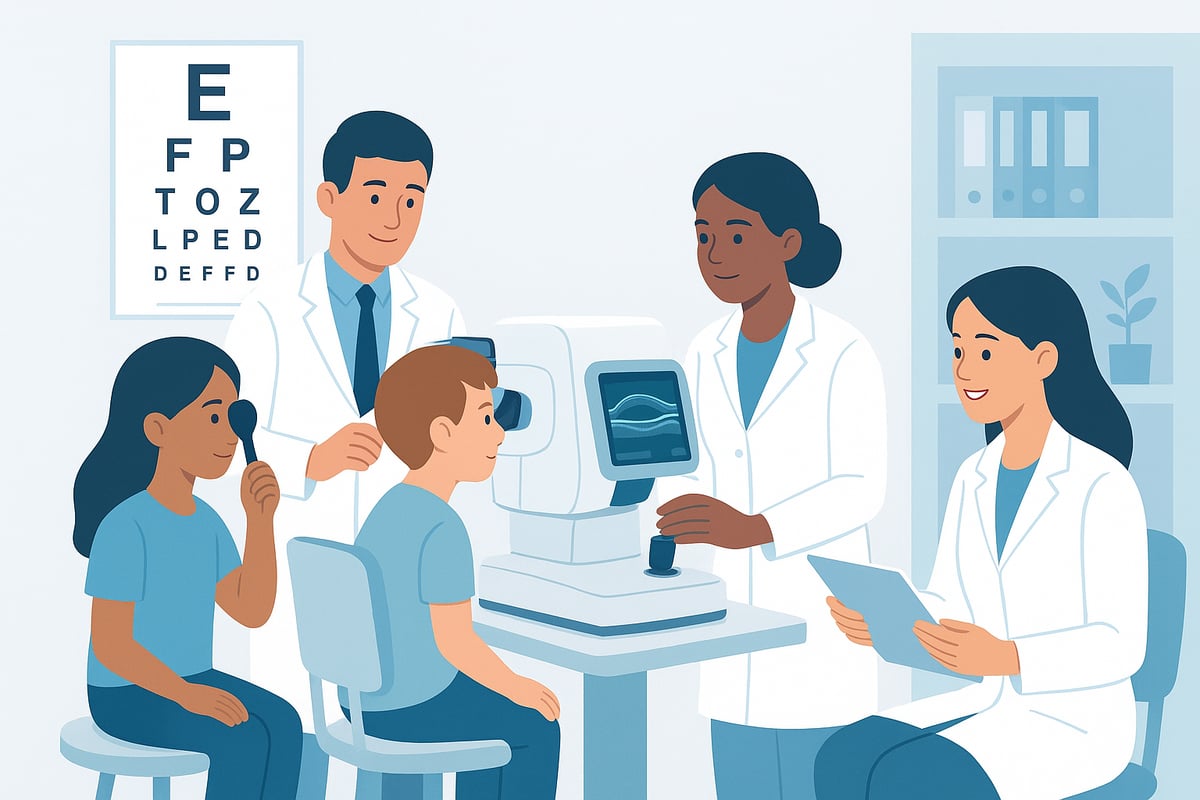
Visiting an optical eye doctor in Ontario involves a thorough and structured process designed for your comfort and lasting eye health. Knowing what to expect during your visit can help you feel prepared and confident, whether it is your first exam or a routine check-up. Each step is aimed at delivering accurate diagnosis, tailored advice, and a clear understanding of your eye health.
Step-by-Step Breakdown of the Exam Process
The optical eye doctor exam begins with a patient intake, where you provide your medical history, current medications, and any vision concerns. This background helps the optical eye doctor tailor your assessment to your specific needs and risks.
Next, you undergo visual acuity testing, which checks how clearly you see at different distances. The optical eye doctor then performs a refraction test to determine your prescription for glasses or contact lenses. Eye pressure measurement, or tonometry, is used to screen for glaucoma and other conditions.
The optical eye doctor also examines the health of your eyes, both externally and internally, using specialized tools. After completing the tests, the optical eye doctor discusses the findings, answers your questions, and suggests next steps, which may include further tests or treatment options.
Specialized Tests and Advanced Diagnostics
Modern optical eye doctor clinics use advanced diagnostics to improve detection and management of eye conditions. Optical coherence tomography (OCT), for example, provides detailed cross-sectional images of the retina, making it easier to identify early changes in diseases like macular degeneration or diabetic retinopathy.
Visual field testing is often used to assess for glaucoma or neurological issues, while retinal imaging helps monitor conditions such as diabetic eye disease. Tests for color vision and depth perception may also be included. To learn more about how OCT technology is transforming eye care, visit How OCT Has Transformed Eye Care.
These diagnostic tools allow the optical eye doctor to build a comprehensive picture of your eye health and make informed recommendations for ongoing care.
Pediatric and Senior Eye Exams
The optical eye doctor follows specific protocols when examining children and seniors. For pediatric patients, the exam may include screening for strabismus (eye turn) and amblyopia (lazy eye), both of which can affect learning and development if left unmanaged.
For seniors, the optical eye doctor pays close attention to age-related risks like cataracts and age-related macular degeneration. In Ontario, OHIP covers annual eye exams for children aged 0 to 19 and adults 65 and older, making regular assessments accessible for these groups.
Milestones such as vision screening for school-age children and family history of eye conditions are reviewed to identify any increased risks and ensure early intervention when needed.
Patient Communication and Follow-Up
Clear communication is a core value for every optical eye doctor. After your exam, the optical eye doctor explains your results in straightforward language, provides written reports or referrals if necessary, and ensures you understand any recommendations.
The optical eye doctor may schedule follow-up visits to monitor ongoing conditions, such as tracking the progression of myopia in children. You are encouraged to ask questions and take an active role in your eye health.
By maintaining open communication, the optical eye doctor supports your understanding and empowers you to make informed decisions about your care.
Technology and Innovation in Eye Care
Innovations in technology are reshaping the way optical eye doctor services are delivered in Ontario. These advancements help practitioners assess, manage, and monitor eye health with greater precision. Patients benefit from earlier detection, more personalized treatments, and a safer clinic environment.
Diagnostic Tools and Imaging Advances
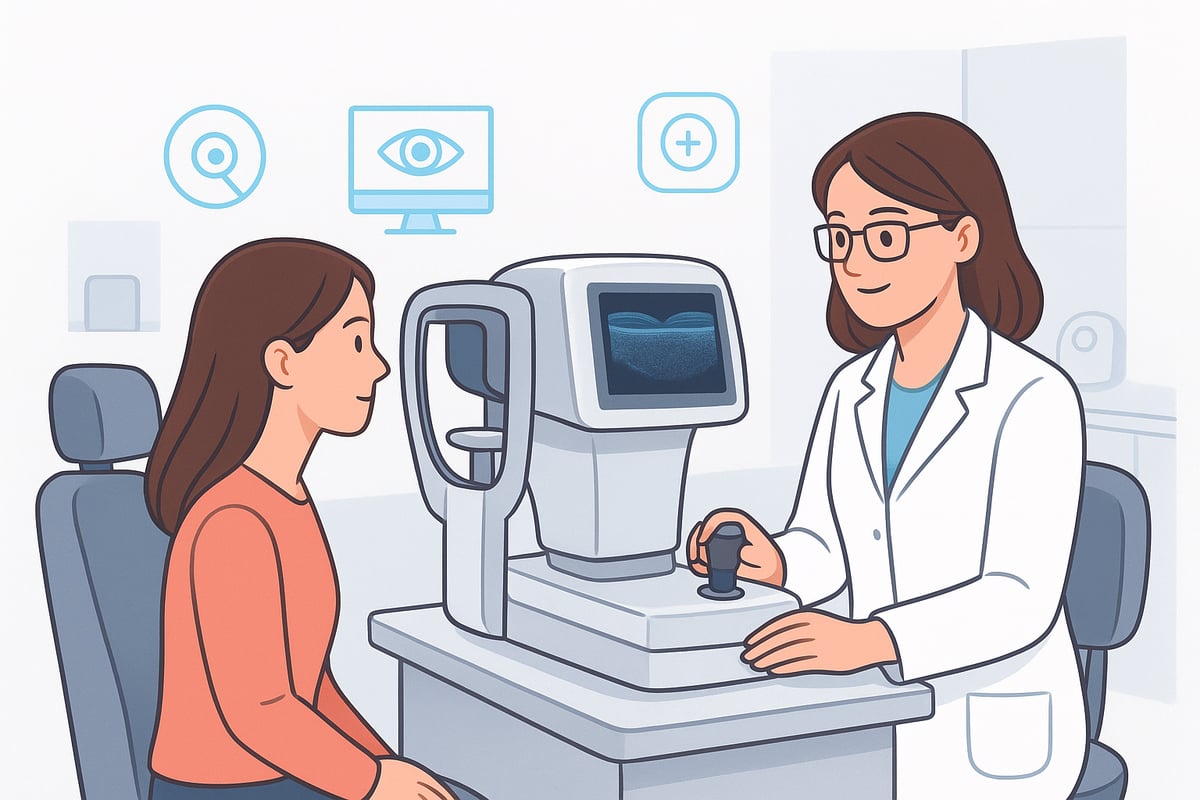
Optical eye doctor clinics now use advanced diagnostic technologies, providing detailed assessments of eye health. Non-invasive imaging tools like optical coherence tomography (OCT) and fundus photography allow practitioners to visualize the retina and optic nerve in high resolution.
Digital refractors and automated visual field analyzers help measure vision and detect changes over time. Integration with electronic health records streamlines access to patient data and supports coordinated care. These innovations enable the optical eye doctor to detect subtle retinal changes, such as those caused by diabetes, often before symptoms arise.
The result is improved diagnostic accuracy and efficiency, supporting proactive eye care for all ages.
Myopia Control and Specialty Lenses
Managing myopia progression is a growing priority for the optical eye doctor, especially as rates rise among children in Ontario. Evidence-based methods include specialized lenses like MiYOSMART and orthokeratology, which are designed to help manage how quickly nearsightedness develops.
Optometrists also fit specialty contact lenses for complex conditions such as keratoconus and presbyopia. For a deeper understanding of myopia, its causes, and management strategies, see Myopia (Nearsightedness).
Ongoing assessment and tailored solutions from the optical eye doctor are essential in supporting long-term vision health.
Tele-optometry and Remote Monitoring
Tele-optometry is transforming access to care by allowing patients to connect with their optical eye doctor virtually. Virtual consultations are useful for follow-up appointments, triage, and patient education.
Remote monitoring tools support the management of chronic conditions like glaucoma, enabling patients to share data securely from home. Regulatory guidelines in Ontario ensure that tele-optometry maintains the same standards as in-person care.
Examples include remote vision therapy for children and digital tools that track disease progression. The optical eye doctor leverages these innovations to enhance care accessibility and convenience.
Infection Control and Patient Safety Protocols
Patient safety is a top priority for every optical eye doctor in Ontario. Clinics have adopted enhanced sterilization and disinfection procedures based on Public Health Ontario guidance. Personal protective equipment (PPE) is standard for both staff and patients.
Appointment scheduling is managed to minimize overlap and allow for thorough cleaning between visits. Protocols established during respiratory virus outbreaks, such as COVID-19, remain in place to protect vulnerable individuals.
These measures ensure that the optical eye doctor can deliver necessary care while maintaining a safe, welcoming environment for all patients.
Navigating Eye Care Coverage and Costs in Ontario
Understanding how to manage expenses for optical eye doctor services is essential for Ontario residents. Coverage options vary based on age, health needs, and personal circumstances. By exploring public and private resources, patients can make informed decisions about their eye health care spending.
OHIP Coverage for Eye Exams
Ontario’s Health Insurance Plan (OHIP) covers routine eye exams by an optical eye doctor for children (0–19 years), seniors (65+), and adults with specific medical conditions such as diabetes or glaucoma. Covered services include annual comprehensive exams and follow-up visits for disease management.
Recent updates have adjusted eligibility, so it’s important to check the latest guidelines. For a detailed breakdown, visit Are Eye Exams Covered by OHIP?, which explains who qualifies and what services are included. Limitations apply, such as frequency restrictions and exclusions for adults aged 20–64 without qualifying conditions. Always confirm coverage before scheduling your next optical eye doctor appointment.
Private Insurance and Out-of-Pocket Expenses
Many Ontarians rely on employer-sponsored or individual vision plans to help cover costs not included under OHIP. These plans typically reimburse for optical eye doctor exams, prescription glasses, contact lenses, and sometimes advanced diagnostic procedures.
Direct billing is common in clinics, streamlining the claims process. Specialty lenses or advanced imaging may require additional out-of-pocket payments, depending on your policy. On average, annual eye care costs can vary widely, so it’s wise to review your plan details before your next optical eye doctor visit.
Accessing Financial Assistance and Community Programs
For families and individuals facing financial barriers, several programs offer support for optical eye doctor services. Examples include:
- Eye See…Eye Learn®: Provides free glasses for eligible kindergarten children.
- Community health clinics: Offer subsidized exams or eyewear.
- Non-profits: Run vision care initiatives in partnership with schools and public health.
Eligibility criteria and application steps differ, so contact your optical eye doctor or local public health office for guidance. These resources help ensure that cost does not prevent anyone from receiving necessary eye care.
Making Informed Choices about Eye Care Spending
Comparing service offerings, pricing, and insurance coverage is vital when selecting an optical eye doctor. Preventative care often reduces long-term costs by catching issues early. When booking, ask about:
- What is included in the exam fee?
- Are advanced tests or specialty lenses extra?
- How does direct billing work with your insurer?
For adults, annual exams may provide value by maintaining vision health and identifying changes promptly. Maximize your benefits by keeping records and staying proactive about your optical eye doctor appointments.
Choosing the Right Optical Eye Doctor in Ontario
Selecting an optical eye doctor is a key step toward maintaining long-term vision health in Ontario. Patients need to consider credentials, available services, clinic technology, and communication style. By understanding what to look for and how to prepare, you can make informed choices that support your unique eye care needs.
Credentials and Qualifications to Look For
When choosing an optical eye doctor, verify their license with the College of Optometrists of Ontario. Membership in the Ontario Association of Optometrists (OAO) signals commitment to professional standards and ongoing education. Many optometrists pursue specialized training in areas like pediatric vision or low vision rehabilitation.
Check for:
- A valid Ontario license
- OAO membership
- Continuing education certificates
You can confirm credentials online for peace of mind. Specialized training is valuable if you have specific needs, such as children’s eye care or management of complex conditions. Always ensure your optical eye doctor adheres to Ontario’s regulatory requirements.
Evaluating Clinic Services and Technology
The range of services and technology available at a clinic can influence your experience with an optical eye doctor. Look for clinics offering comprehensive exams, disease management, and specialty care like myopia control or dry eye treatment.
Modern clinics feature advanced diagnostic tools:
- Optical coherence tomography (OCT)
- Digital retinal imaging
- Visual field analyzers
Accessibility matters too. Consider location, hours, and digital conveniences like online booking. Clinics that provide in-house visual field testing are particularly helpful for drivers’ licensing or glaucoma assessments. Up-to-date technology helps your optical eye doctor deliver accurate, timely care.
Patient-Centric Care and Communication
An optical eye doctor should prioritize clear communication and patient education. Look for providers who explain conditions, treatments, and options in language you can understand. Shared decision-making is essential, especially when discussing complex diagnoses or long-term management.
Consider clinics offering:
- Written care plans
- Multilingual services
- Culturally sensitive care
Building rapport and trust with your optical eye doctor encourages active participation in your eye health. When clinics emphasize patient involvement, you are more likely to adhere to care recommendations and attend regular check-ups.
Durham Vision Care: Comprehensive Eye Care in Oshawa
Durham Vision Care in Oshawa offers a personalized approach to eye care for all ages. Their optical eye doctor team provides a full spectrum of services, including exams, contact lens solutions, dry eye management, and myopia control.

They utilize advanced diagnostic tools such as OCT and visual field testing to support early detection and individualized treatment plans. Durham Vision Care emphasizes patient-focused care, with education and proactive management at the forefront. Convenient features like online appointment booking, direct insurance billing, and access to urgent care make it easier for patients to stay on top of their eye health.
Practical Steps for Booking and Preparing for Your Visit
Booking an appointment with an optical eye doctor is straightforward. Most clinics offer phone and online scheduling. Bring your health card, insurance information, and a list of medications to your visit.
Prepare questions about your vision, family history, and treatment options. A simple checklist for first-time patients includes confirming appointment details, gathering necessary documents, and noting any symptoms. After your visit, keep records of your results and follow-up instructions. For more tips on making the right choice, see How to Choose the Right Optometrist.
Eye Health Trends and Public Awareness in 2026
Ontario residents are increasingly aware of the importance of protecting their vision in a digital era. With changes in daily habits, advances in technology, and new public health programs, understanding trends in eye health is essential. The optical eye doctor plays a key role in guiding individuals through these changes, helping them make informed decisions about their eye care.
Impact of Digital Device Use and Lifestyle Changes
In 2026, the average Ontarian spends significant time on screens, whether for work, learning, or leisure. This increase in digital device use has led to more cases of digital eye strain and concerns about blue light exposure. The optical eye doctor frequently addresses complaints like tired eyes, headaches, and blurry vision.
Experts recommend following the 20-20-20 rule, which means taking a 20-second break to look at something 20 feet away every 20 minutes. Adjusting screen brightness and practicing good posture can also help. The optical eye doctor may discuss these strategies during routine visits, emphasizing prevention for children and adults alike.
Public Health Initiatives and Vision Screening Programs
Ontario continues to invest in public health programs that promote early detection of vision issues. School-based vision screening and community outreach are common, ensuring children receive timely assessments. The Children’s Vision Screening and Comprehensive Eye Examination resource outlines the benefits of these initiatives, which help identify problems like amblyopia or refractive errors before they interfere with learning.
The optical eye doctor often collaborates with schools and public health units to deliver these services. By participating in government-supported programs, families can access vision care for their children without financial barriers.
Advances in Eye Disease Detection and Management
Technological innovation continues to transform the way optical eye doctor services are delivered. Tools like retinal imaging and optical coherence tomography enable earlier detection of conditions such as glaucoma and diabetic retinopathy. Artificial intelligence is now used to analyze retinal images, increasing the accuracy and speed of assessments.
Recent studies point to rising myopia rates among Canadian youth, making early intervention more important than ever. For more information, see this data on myopia prevalence in Canadian school children. The optical eye doctor uses these insights to tailor management plans for each patient.
Promoting Lifelong Eye Health Habits
Maintaining healthy vision requires more than just periodic visits to an optical eye doctor. Regular eye exams, a balanced diet rich in nutrients like vitamin A, and proper UV protection are all essential. Families should be aware of their genetic risk factors and discuss them with their provider.
Ontario guidelines suggest routine eye checks at all ages, with frequency depending on age and health status. The optical eye doctor encourages patients to take charge of their eye health, building habits that support good vision throughout life.
As we’ve explored, staying proactive about your eye health is more important than ever, especially with the evolving technology and expanded services available in 2026. Whether you’re looking to protect your vision from digital eye strain, manage a specific condition, or simply keep your prescription up to date, having the right optometrist makes a real difference. At Durham Vision Care, you’ll find a team committed to early detection, personalized care, and the latest diagnostic tools—all designed with your comfort and wellbeing in mind. If you’re ready to take the next step for your eyes, you can easily Book an Appointment today.






Recent Comments