
Eye health is gaining more attention across Ontario, with many residents prioritizing regular vision care.
However, people often feel uncertain about whether to visit an optometrist eye specialist for their specific needs. This confusion can affect how individuals manage eye exams, vision correction, and long-term eye disease.
Choosing the right optometrist eye specialist can play a key role in maintaining good vision and catching potential issues early. Understanding the difference is essential for effective prevention and treatment.
This article will help clarify the roles, qualifications, and services of each optometrist eye specialist. You will also learn about OHIP coverage, real-life scenarios, and local factors that matter in 2026.
Defining Optometrists and Eye Specialists in Ontario
Understanding the difference between an optometrist eye specialist is essential for making informed choices about your vision care in Ontario. This section breaks down the roles, qualifications, and evolving significance of each profession.
What is an Optometrist?
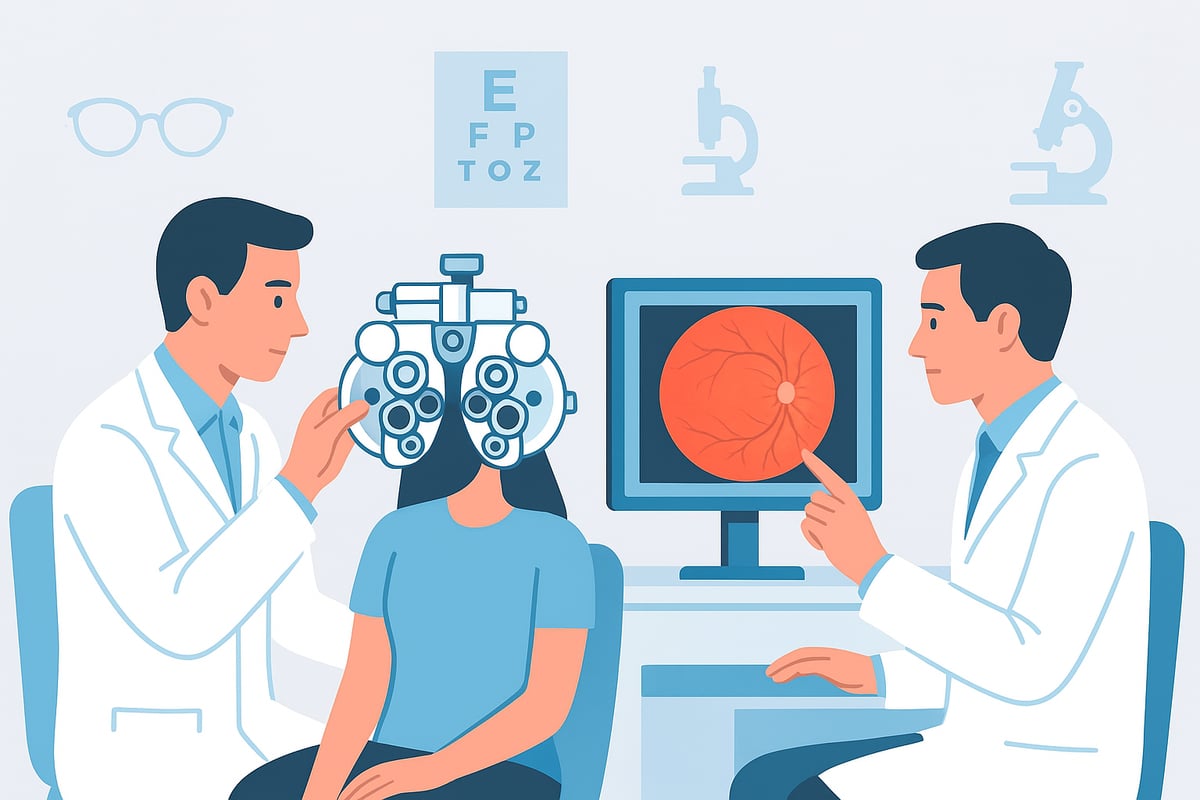
An optometrist eye specialist is a licensed healthcare provider who focuses on the primary care of your eyes and vision. In Ontario, optometrists:
- Hold a Doctor of Optometry (OD) degree from an accredited Canadian university.
- Are regulated by the College of Optometrists of Ontario.
- Can prescribe glasses, contact lenses, and certain medications for eye conditions.
- Perform comprehensive eye exams for all ages, including vision screening and detection of eye diseases.
For example, routine checkups and vision assessments for children and adults are typically managed by an optometrist eye specialist. Their training emphasizes vision science, optics, and preventive eye health.
What is an Eye Specialist?
An eye specialist, often called an ophthalmologist, is a medical doctor with specialized training in advanced eye care. An optometrist eye specialist may refer patients to these professionals when complex issues arise. In Ontario, eye specialists:
- Complete a medical degree (MD) followed by a residency in ophthalmology.
- May pursue additional fellowships for subspecialties like retina or glaucoma.
- Are regulated by the College of Physicians and Surgeons of Ontario.
- Can perform surgeries, such as cataract removal, and manage severe eye diseases.
For example, if diabetic retinopathy is detected, an optometrist eye specialist will refer the patient to an ophthalmologist for surgical evaluation or advanced treatment.
Distinguishing Between the Two Roles
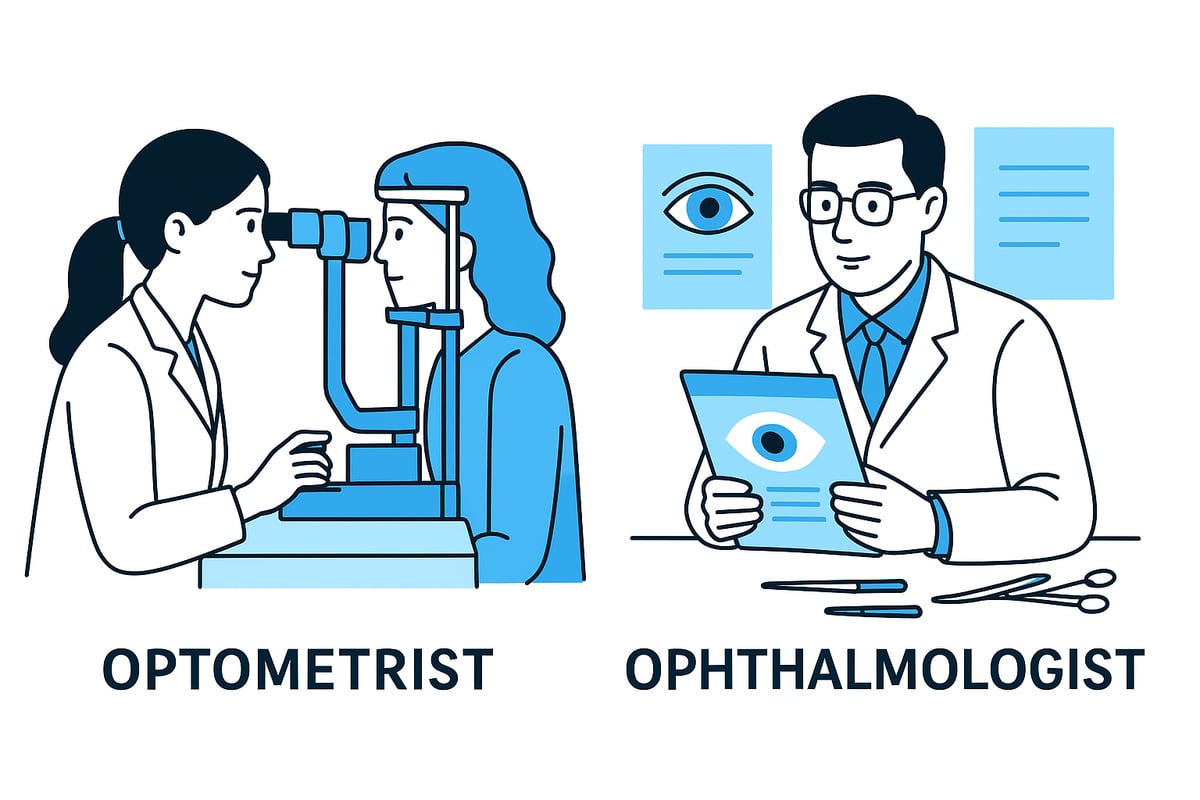
The main difference between an optometrist eye specialist and an ophthalmologist lies in their scope of practice and training. Optometrists provide primary eye care, including exams and vision correction, while eye specialists handle secondary and tertiary care, such as surgery and complex disease management.
Referral pathways are essential. An optometrist eye specialist will often detect issues during routine exams and refer patients to an ophthalmologist for advanced care. There is some overlap in diagnosing and managing certain conditions, but collaboration ensures comprehensive care. For a detailed breakdown of these differences, see the Differences between optometrists and ophthalmologists.
Why the Distinction Matters in 2026
The evolving landscape of eye care in Ontario makes the distinction between optometrist eye specialist and ophthalmologist increasingly important. Diagnostic technologies, such as digital retinal imaging and OCT, are becoming more widely used by both professions.
Public awareness of eye diseases like glaucoma is rising, and the scopes of practice for both optometrist eye specialist and ophthalmologist are adapting to meet these needs. Understanding these roles helps patients access timely care and supports continuity as Ontario’s eye health system advances.
Education, Training, and Qualifications
Understanding the education, training, and qualifications of your optometrist eye specialist in Ontario is essential for making informed decisions about your vision care. Each professional follows a unique pathway and operates within distinct legal boundaries to ensure patient safety and quality of care.
Optometrist Training Pathway
In Ontario, an optometrist eye specialist must complete several educational steps before practicing. First, a candidate earns an undergraduate degree, typically in a science-related field. Next, they enter a four-year Doctor of Optometry (OD) program at an accredited Canadian institution such as the University of Waterloo School of Optometry.
After graduation, optometrists must pass national board examinations and fulfill licensing requirements set by the College of Optometrists of Ontario. Ongoing professional development and continuing education are mandatory. The training emphasizes vision science, optics, and primary eye care, preparing optometrists to assess and manage a wide range of vision needs.
Eye Specialist (Ophthalmologist) Training Pathway
The pathway for an optometrist eye specialist who is an ophthalmologist involves more extensive medical training. Candidates first obtain a medical degree (MD), which includes general medical education. This is followed by a residency in ophthalmology, typically lasting five years, focusing on eye diseases, surgical procedures, and hospital-based care.
Some eye specialists pursue additional fellowships in subspecialties such as retina, cornea, or glaucoma. Board certification through the Royal College of Physicians and Surgeons of Canada is required. Continuous learning ensures that an ophthalmologist stays current with advancements in complex eye care and surgery.
Scope of Practice: What Each Can Legally Do
The scope of practice for an optometrist eye specialist is defined by Ontario regulations. Optometrists can perform comprehensive eye exams, prescribe corrective lenses, treat minor conditions, and prescribe certain medications. Eye specialists, however, can provide all optometrist services plus eye surgeries and advanced disease management.
| Service | Optometrist | Eye Specialist (Ophthalmologist) |
|---|---|---|
| Eye exams | ✔ | ✔ |
| Prescribing glasses/contacts | ✔ | ✔ |
| Prescribing medications | Limited | Broad |
| Eye surgery | ✔ | |
| Advanced disease management | Limited | ✔ |
For more on collaborative care and distinctions, see this guide on differences between optometrists and specialists.
Regulatory Bodies and Standards in Ontario
Every optometrist eye specialist in Ontario is governed by strict regulatory standards. Optometrists are overseen by the College of Optometrists of Ontario, which sets professional standards, handles complaints, and enforces discipline. Eye specialists (ophthalmologists) are regulated by the College of Physicians and Surgeons of Ontario, ensuring safe and ethical practices.
Additional oversight comes from Health Canada and provincial guidelines, which establish protocols for patient safety, quality care, and ongoing professional development. These frameworks help maintain public trust and high standards in eye health services.
Services Provided: Optometrist vs Eye Specialist
When comparing the services offered by an optometrist eye specialist in Ontario, understanding the unique roles and capabilities of each is essential. Both professionals play a vital part in safeguarding vision, yet their services differ based on training, scope of practice, and patient needs.

Comprehensive Eye Exams and Vision Correction
An optometrist eye specialist is often the first point of contact for vision care. Optometrists conduct routine eye exams, assess visual acuity, and prescribe corrective lenses such as glasses or contact lenses. They also screen for early signs of eye conditions during these appointments. In many cases, these professionals provide ongoing care for children, adults, and seniors.
Ophthalmologists, a type of eye specialist, may perform advanced diagnostic tests when referred by an optometrist. They also handle pre and post-surgical assessments. If you are wondering about the signs that indicate a need for a thorough assessment, you can learn more about comprehensive eye exams in Oshawa.
Diagnosis and Management of Eye Diseases
The optometrist eye specialist team plays a central role in identifying and managing various eye diseases. Optometrists are skilled at detecting conditions such as glaucoma, cataracts, and diabetic retinopathy during routine exams. Their expertise allows them to monitor disease progression and manage many eye health issues at the primary care level.
When a patient requires advanced intervention, optometrists refer them to an eye specialist. Ophthalmologists can diagnose more complex cases, order specialized imaging, and initiate medical or surgical treatment. The collaboration between both providers ensures timely care and accurate management for patients facing serious eye health concerns.
Treatment of Urgent and Chronic Eye Conditions
Urgent and chronic eye conditions are addressed by both the optometrist eye specialist, depending on severity and complexity. Optometrists commonly treat red eye, dry eye, minor infections, and remove superficial foreign bodies. They are also the first contact for sudden changes in vision or discomfort.
For more severe or persistent conditions, such as uveitis, retinal detachment, or significant trauma, care transitions to an ophthalmologist. Eye specialists manage these complex cases, often in hospital settings. Shared care models allow both professionals to coordinate treatment and follow-up, improving patient outcomes and access to timely care.
Surgical and Advanced Procedures
While an optometrist eye specialist can provide essential pre-surgical evaluations and co-manage post-operative care, only an ophthalmologist is qualified to perform surgeries. Optometrists are involved in identifying candidates for procedures like LASIK and referring appropriately. They also help monitor recovery after surgery and ensure vision correction is optimized.
Ophthalmologists perform surgeries such as cataract removal, retinal repairs, and corneal transplants. They are responsible for advanced treatments requiring hospital-grade equipment and specialized training. Co-management between optometrist and eye specialist supports safe and efficient surgical journeys for patients.
Pediatric and Geriatric Eye Care
The optometrist eye specialist team addresses vision needs across all ages. Optometrists provide early screening and myopia management for children, helping detect vision issues that may affect learning or development. They also offer vision therapy and support for pediatric patients.
For seniors, optometrists monitor age-related changes, screen for diseases like macular degeneration, and manage fall risk due to vision loss. Ophthalmologists handle pediatric surgeries and advanced treatments for geriatric patients, such as injections for age-related macular degeneration. In Ontario, OHIP covers annual exams for those aged 0-19 and 65+, ensuring both age groups receive essential preventive care.
OHIP Coverage, Costs, and Accessibility in Ontario
Understanding how the Ontario Health Insurance Plan (OHIP) applies to optometrist eye specialist services is essential for residents. Coverage, costs, and access can vary based on age, medical need, and location. Let’s break down what you need to know as you navigate eye care options in Ontario.
What Services Are Covered by OHIP?
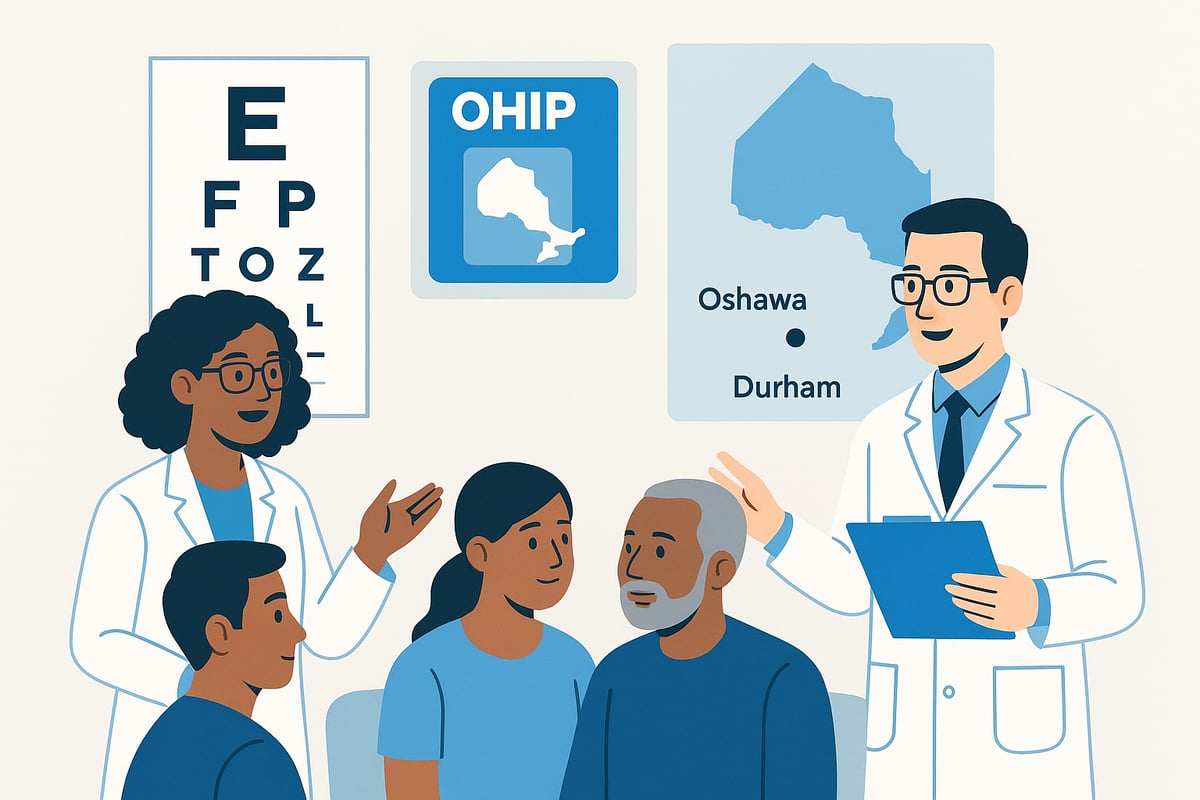
OHIP provides coverage for specific optometrist eye specialist services based on age and medical necessity. Children (0 to 19) and seniors (65 and over) are eligible for one fully insured comprehensive eye exam each year. Adults (20 to 64) only receive coverage if they have certain medical conditions, such as diabetes or glaucoma. For example, diabetic eye exams are covered at any age. The extent of coverage can differ between optometrists and eye specialists, depending on the type of service and diagnosis. For a detailed breakdown of what is included, see OHIP coverage for eye exams.
| Age Group | Routine Exam | Medical Condition Exam | Provider Type |
|---|---|---|---|
| 0-19 | Covered | Covered | Optometrist, Specialist |
| 20-64 | Not Covered | Covered (if eligible) | Optometrist, Specialist |
| 65+ | Covered | Covered | Optometrist, Specialist |
Knowing these guidelines helps you plan your optometrist eye specialist visits efficiently.
Out-of-Pocket Costs and Private Insurance
For many adults, routine optometrist eye specialist exams are not covered by OHIP, creating out-of-pocket expenses. Costs for a standard exam can range from $80 to $150, depending on the clinic and complexity. Additional expenses may include glasses, contact lenses, or advanced diagnostic testing. Many people rely on private or workplace insurance to offset these costs. Insurance plans often contribute to exam fees and eyewear, but coverage varies. Reviewing your policy can help you budget for optometrist eye specialist services and avoid unexpected expenses.
Wait Times and Accessibility
Access to optometrist eye specialist care in Ontario differs by provider type and urgency. Optometrists often offer routine appointments with shorter wait times, making them accessible for preventive care. Eye specialists, such as ophthalmologists, may have longer waits, especially for non-urgent referrals or procedures. Ontario Health reports show that specialist wait times can sometimes exceed provincial targets, depending on demand and region. Planning ahead for optometrist eye specialist appointments is important, especially if you require ongoing management for chronic eye conditions.
Urban vs Rural Access to Eye Care
The availability of optometrist eye specialist services varies significantly between urban and rural communities. In Oshawa and the Durham region, residents benefit from a higher concentration of providers, but those in smaller towns may need to travel for specialized care. Tele-optometry and virtual consultations are expanding access, particularly for initial screenings or follow-ups. Despite these improvements, regional disparities remain, making it crucial to understand your local resources for optometrist eye specialist services.
Patient Scenarios: When to See an Optometrist or Eye Specialist
Making the right choice between an optometrist eye specialist is essential for protecting vision at every stage of life. Different situations call for specific expertise, and knowing when to visit each provider helps ensure timely care. Below, we break down common scenarios to guide your decision-making.
Routine Vision Care and Preventive Exams
For routine vision care, an optometrist eye specialist is your primary resource. Children benefit from regular screenings, especially before starting school, while adults should schedule eye exams to update prescriptions and monitor for early changes.
- Annual check-ups help track myopia progression in children.
- Adults aged 20–64 should consider exams every two years unless advised otherwise.
- Seniors require frequent assessments to catch age-related changes.
Optometrists often detect subtle issues early and can refer to an eye specialist if more complex care is needed. Preventive visits are the foundation of long-term eye health.
Symptoms Requiring Immediate Attention
Some symptoms signal the need to see an optometrist eye specialist without delay. Sudden vision loss, flashes of light, new floaters, or intense eye pain warrant urgent evaluation.
- Rapid-onset double vision or severe redness may indicate serious conditions.
- Optometrists can triage, assess, and direct patients to an eye specialist if necessary.
- In emergencies, direct referral or a visit to the hospital may be required.
For more guidance on when symptoms require immediate help, see Common eye conditions and when to seek help. Acting quickly improves outcomes and protects vision.
Chronic Conditions and Disease Management
Chronic diseases such as diabetes, glaucoma, and macular degeneration need ongoing care from both an optometrist eye specialist. Optometrists monitor changes, adjust vision correction, and screen for complications.
- Shared care models allow optometrists to manage stable cases.
- Eye specialists intervene when advanced treatment or surgery is needed.
- For example, an optometrist tracks diabetic retinopathy and refers for laser therapy as appropriate.
Collaboration ensures that chronic eye diseases are managed effectively, reducing the risk of vision loss over time.
Eye Surgery and Post-Operative Care
If surgery is recommended, both the optometrist eye specialist play vital roles. Optometrists perform pre-surgical assessments and co-manage post-operative care, while eye specialists handle the surgical procedures.
- Cataract and LASIK surgeries involve this team approach.
- Pre- and post-op monitoring by optometrists supports recovery.
- Eye specialists address complications and perform follow-up for complex cases.
This partnership streamlines care and helps patients through every step of the surgical process.
Special Considerations for Children and Seniors
Children and seniors have unique vision needs. An optometrist eye specialist can assess vision development in children, identify learning-related issues, and manage myopia. Seniors face risks like falls and age-related macular degeneration.
- OHIP covers annual exams for those 0–19 and 65+, making regular visits accessible.
- Seniors in Ontario have higher rates of vision impairment, emphasizing the importance of routine care.
- Frequent assessments help detect problems before they impact quality of life.
For more on what services are covered, see OHIP coverage for eye care services. Early and regular visits to an optometrist eye specialist support lifelong vision health.
Local Considerations: Eye Care in Oshawa and Durham Region
Eye care in Oshawa and the Durham Region reflects unique demographic and healthcare needs. As the population grows and ages, demand increases for both optometrist eye specialist services. Public health efforts and regional trends shape the landscape of vision care for all ages.
Eye Health Trends in Durham Region
Durham Region has seen steady population growth, especially among seniors and young families. This shift increases the need for regular eye exams, vision correction, and chronic disease monitoring. The prevalence of conditions such as myopia in children and diabetes in adults means more residents require ongoing care from both optometrist eye specialist professionals.
According to the Canada Eyecare Report 2025, there is a rising awareness of eye health and a higher rate of screening for diseases like glaucoma and diabetic retinopathy. Public health campaigns in Oshawa promote early detection, making access to comprehensive exams more important.
Availability of Eye Care Providers
The Durham Region offers a robust network of optometrist eye specialist providers, including independent clinics, group practices, and community health centers. Families and seniors can find optometrists in most neighborhoods, while eye specialists such as ophthalmologists are typically available in larger clinics or hospitals.
In rural or smaller communities, residents may need to travel to Oshawa or neighboring cities for some specialist services. Reports from studies like the Eye care utilization in Canada study suggest that provider access improves with regional outreach programs and telehealth options. These factors help bridge gaps in care for those needing appointments with an optometrist eye specialist.
Role of Technology and Innovation
Local clinics increasingly use digital imaging, optical coherence tomography (OCT), and tele-optometry platforms. These tools help optometrist eye specialist teams detect and monitor eye diseases earlier than ever before. Virtual consultations, adopted during the COVID-19 pandemic, continue to support patients who cannot attend in person.
Technology streamlines referrals and data sharing between providers, improving care continuity. For example, high-resolution retinal scans can be shared instantly between an optometrist eye specialist, allowing for quick assessment and management decisions.
Collaboration Among Providers
Collaboration is central to effective eye care in Oshawa and Durham. Optometrist eye specialist teams work closely in referral networks, ensuring patients with complex needs receive timely attention. Multidisciplinary approaches, involving family doctors and diabetes educators, further enhance care for chronic conditions.
Community education campaigns help raise awareness about when to see an optometrist eye specialist. This teamwork improves outcomes and supports patients at every stage of their vision health journey.
Now that you understand the important differences between optometrists and eye specialists—from their training to the services they provide—you can make more informed choices about your vision care in Oshawa and Durham. Whether you need a routine eye exam, help managing a specific eye condition, or guidance on what’s covered by OHIP, having a trusted optometrist by your side makes all the difference. If you’re ready to take the next step toward clearer vision and proactive eye health, let’s make it easy—simply Book an Appointment with Durham Vision Care today.







Recent Comments