
In Ontario’s increasingly digital and aging society, proactive vision care is more crucial than ever. Everyday activities, from reading screens to commuting, rely on healthy eyes, making regular attention to vision essential for maintaining quality of life, productivity, and overall wellness.
As new challenges and technologies emerge, staying informed is key. Access to professional eye care and up-to-date guidance helps individuals protect their sight and adapt to changing needs.
This comprehensive 2026 guide delivers expert insights, the latest regulatory updates, and practical strategies tailored for Ontario residents. Explore fundamentals of eye health, recommended exam schedules, new diagnostic technologies, pediatric care essentials, and tips for managing common conditions—all designed to support optimal vision now and in the future.
Understanding Eye Health Fundamentals
Building a strong foundation in eye health is essential for anyone seeking professional eye care. Understanding the basics helps you make informed decisions and spot issues early.
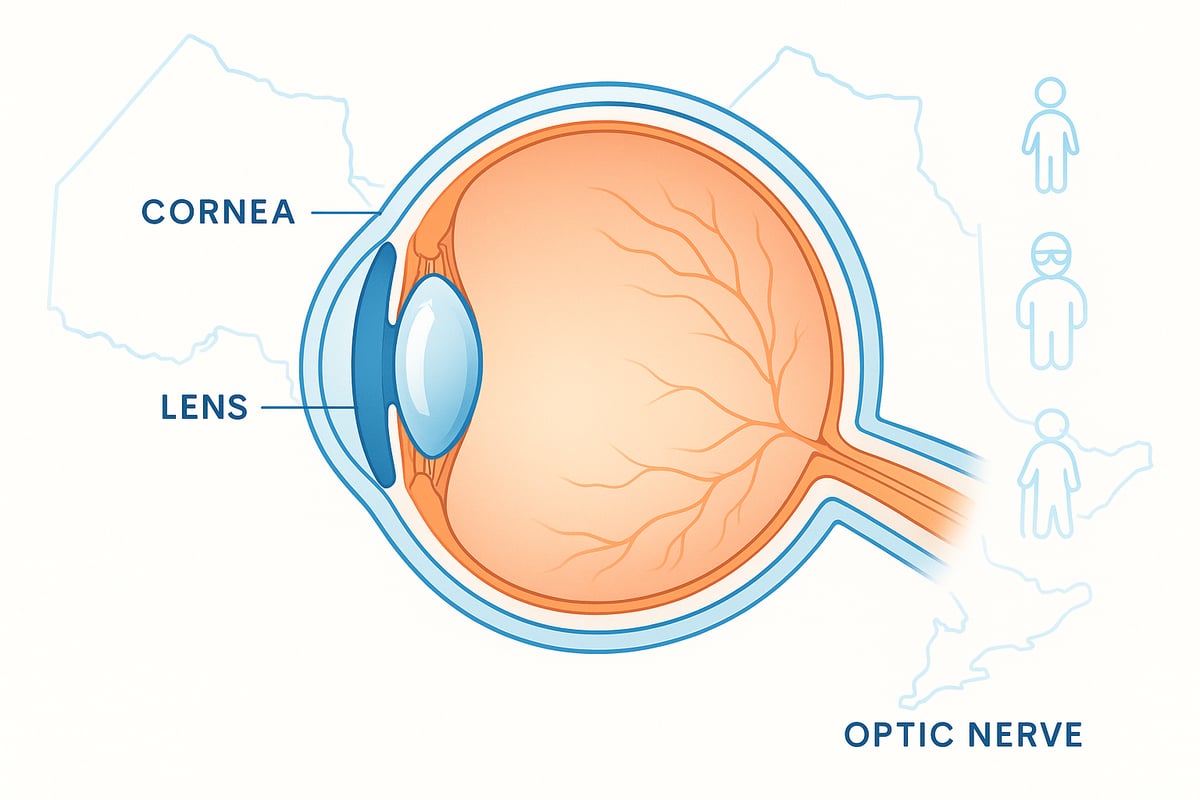
The Anatomy of the Human Eye
The human eye is a complex, finely tuned organ. Its main components include:
- Cornea: The transparent front layer, which focuses light.
- Lens: Adjusts focus for near and distant vision.
- Retina: Converts light into signals for the brain.
- Optic Nerve: Transmits these signals to the brain.
Each part plays a crucial role in clear sight. When structures like the lens become cloudy (cataracts) or the retina is damaged, vision can be significantly affected. Recognizing how these components work is a key aspect of professional eye care.
How Vision Changes Across the Lifespan
Vision evolves as we age. Children may develop nearsightedness, while adults often notice presbyopia—a reduced ability to focus on close objects—beginning in their 40s. Older adults are at higher risk for cataracts and macular degeneration.
| Age Group | Common Changes | Risks in Ontario |
|---|---|---|
| Childhood | Myopia, amblyopia | 1 in 5 with vision issue |
| Adult (40+) | Presbyopia | Increased screenings |
| Senior (65+) | Cataracts, AMD, glaucoma | 30% with age-related |
Awareness of these changes supports proactive, professional eye care throughout life.
Key Factors Affecting Eye Health
Several factors influence vision health, including genetics, lifestyle, and environment. For example:
- Family history of eye diseases increases risk.
- Nutrition matters. Vitamin A, omega-3s, and lutein support eye health.
- Extended digital device use exposes eyes to blue light, contributing to discomfort.
Maintaining a balanced diet and managing screen time are core strategies in professional eye care.
Recognizing Early Warning Signs
Early symptoms such as blurred vision, floaters, or eye pain can signal underlying problems. Other warning signs include:
- Frequent headaches
- Sudden vision loss
- Flashes of light
Prompt assessment is crucial. Regular, Comprehensive Eye Exams in Oshawa are a cornerstone of professional eye care, helping detect issues before they progress.
The Link Between Systemic Health and Vision
Health conditions like diabetes and hypertension can impact vision. Diabetic retinopathy and hypertensive retinopathy are leading causes of preventable vision loss in Ontario. According to the Ontario Association of Optometrists, regular monitoring is vital for individuals with chronic illnesses.
Integrating professional eye care with overall health management helps reduce risk and protect vision across all ages.
Comprehensive Eye Exams: What to Expect in 2026
Regular eye exams are a cornerstone of professional eye care, especially as Ontario's population ages and digital device use increases. Understanding how often to schedule exams and what services are covered is essential for all residents. Let’s explore recommended exam intervals, what to expect during your visit, and how new technologies are shaping the future of vision health.
Exam Frequency and OHIP Coverage Guidelines
Determining the right schedule for eye exams is a key part of professional eye care. In Ontario, the recommended frequency varies by age and health status. Children (0–19 years) and seniors (65+) are eligible for an annual comprehensive eye exam covered by OHIP. Adults aged 20–64 typically require an exam every one to two years, but OHIP may cover additional visits for those with specific medical conditions, such as diabetes or glaucoma.
Recent updates from Health Canada and the Ontario Association of Optometrists (OAO) reinforce the importance of regular exams for early detection and prevention. The Canada Eyecare Report 2025 highlights that regular eye exams are often overlooked, despite their role in identifying issues before symptoms arise. For a quick overview, see the table below:
| Age Group | Recommended Frequency | OHIP Coverage |
|---|---|---|
| 0–19 | Every 12 months | Yes |
| 20–64 | 12–24 months | Medical conditions only |
| 65+ | Every 12 months | Yes |
Step-by-Step Eye Exam Process
A professional eye care appointment in 2026 follows a structured, patient-focused process. The visit begins with a detailed medical and vision history, allowing the optometrist to tailor the exam to your needs. Visual acuity testing checks how clearly you see at various distances, followed by refraction to determine your precise prescription.
Next, your eye pressure is measured, which is crucial for detecting glaucoma. The optometrist then examines the retina and optic nerve, often using non-invasive imaging. Visual field testing may also be performed to assess peripheral vision. This comprehensive approach ensures that potential issues are identified early, supporting long-term vision wellness.
Advanced Diagnostic Tools and Their Role
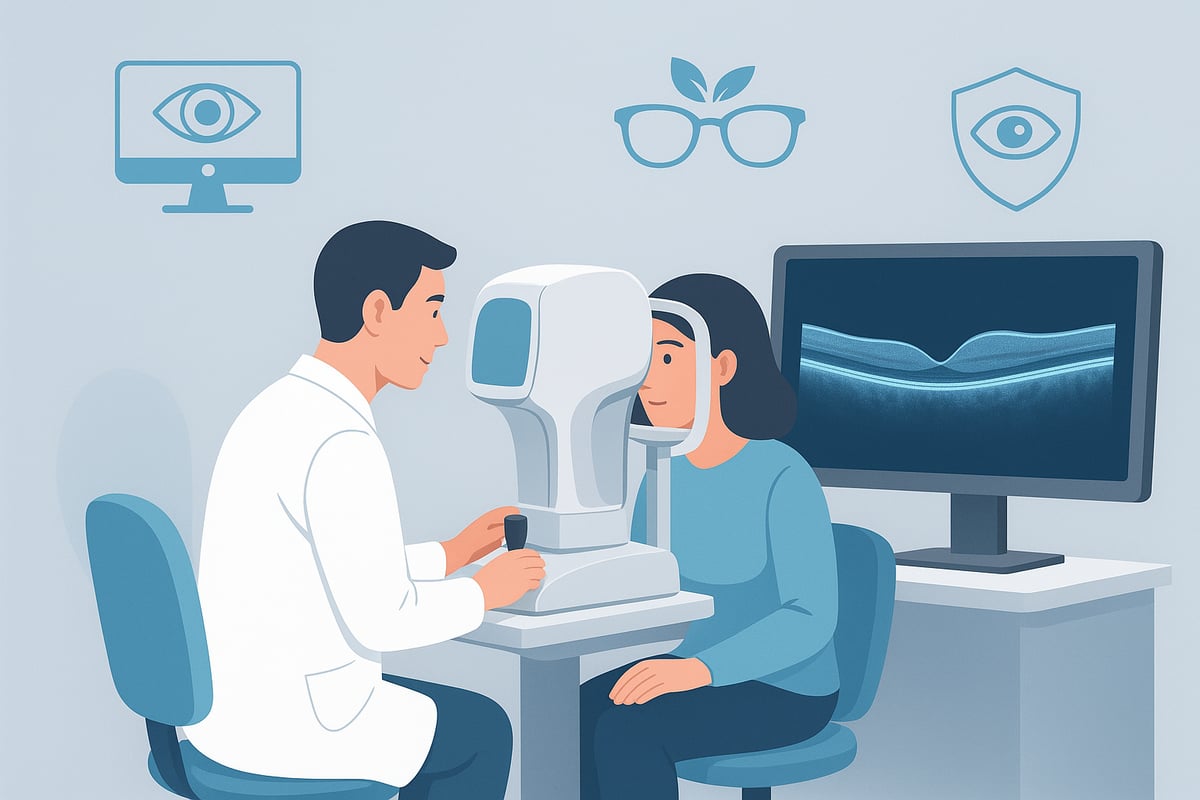
Modern professional eye care relies on advanced diagnostic technology to assess eye health accurately. Optical coherence tomography (OCT) offers high-resolution images of the retina, enabling detection of subtle changes linked to conditions like macular degeneration or diabetic retinopathy. Digital retinal imaging captures detailed photos of the eye’s internal structures, improving documentation and monitoring over time.
These tools are essential for identifying problems that may not yet cause symptoms. Early detection is particularly valuable for managing glaucoma, as structural changes can precede vision loss. Integrating advanced diagnostics ensures that your eye care is proactive and data-driven.
What to Bring and How to Prepare
Preparing for a professional eye care appointment helps ensure accurate results and a smooth experience. Bring your current glasses or contact lenses, a list of medications, and details about your family’s eye health history. This information allows the optometrist to assess risk factors and tailor recommendations.
If the exam is for a child or senior, consider bringing a favorite book or comfort item to help them relax. Arrive with a list of any symptoms or concerns, such as changes in vision or eye discomfort. These steps help your optometrist provide the most thorough assessment possible.
- Items to bring:
- Current eyewear
- Medication list
- Family eye health history
- List of concerns or symptoms
Arriving well-prepared supports a comprehensive evaluation and maximizes the benefits of your visit.
Durham Vision Care: Comprehensive Eye Exams in Oshawa
Durham Vision Care provides professional eye care tailored to families in Oshawa and the Durham region. Their team emphasizes early detection and ongoing monitoring, utilizing advanced technology for all age groups. Each patient receives a personalized exam designed to address their unique needs, whether they are a child, adult, or senior.
Direct insurance billing streamlines the process, making access to professional eye care more convenient. Booking an appointment is simple, with options for online scheduling or phone calls. This patient-centric approach ensures that everyone in your family receives attentive, thorough vision care in a supportive environment.
Emerging Technologies and Trends in Eye Care
The landscape of professional eye care is rapidly changing in Ontario, shaped by technological innovation and evolving patient needs. New tools and approaches are improving how vision is assessed, monitored, and managed for all ages. Staying informed about these trends helps ensure your eye health is protected now and in the future.
Digital Eye Strain and Blue Light Management
With increased reliance on screens, digital eye strain has become a common concern for residents across Ontario. Symptoms such as dry eyes, headaches, and blurred vision are often linked to extended device use. Professional eye care providers recommend several strategies to help manage these effects:
- Take regular breaks using the 20-20-20 rule
- Adjust screen brightness and contrast
- Use blue light filtering lenses when appropriate
Recent data from the Canadian Vision Care Trends 2024 report highlights a growing awareness of these issues. Incorporating these practices into your routine supports eye comfort and long-term vision health.
Innovations in Diagnostic Imaging
Advances in imaging technology are transforming professional eye care in Ontario. Tools such as optical coherence tomography (OCT) and ultra-widefield retinal imaging allow for detailed, non-invasive views of eye structures. These innovations support early detection of conditions like glaucoma, macular degeneration, and diabetic eye disease.
Artificial intelligence is increasingly used to analyze imaging results, helping practitioners identify subtle changes that might otherwise go unnoticed. These tools enhance the accuracy and efficiency of comprehensive eye exams.
Myopia Control and Pediatric Advancements
Myopia, or nearsightedness, is on the rise among Canadian children. Professional eye care now includes several interventions to help manage its progression:
- Specialized lenses such as MiYOSMART®
- Orthokeratology (overnight corrective lenses)
- Encouragement of regular outdoor activity
Early intervention and regular monitoring are essential. These strategies help reduce the risk of future complications, supporting healthy vision development for children in Ontario.
Tele-optometry and Remote Monitoring
Tele-optometry is expanding access to professional eye care, especially for those in remote or underserved areas of Ontario. Virtual consultations and remote vision monitoring tools enable patients to connect with optometrists from home.
Ontario’s regulatory bodies, including Health Canada and the Ontario Association of Optometrists (OAO), set standards to ensure patient privacy and data security. This approach makes eye care more flexible and convenient while maintaining high standards of safety and confidentiality.
Sustainable and Accessible Eyewear Solutions
Trends in eyewear are shifting toward sustainability and inclusivity. Many professional eye care providers now offer frames made from recycled or biodegradable materials. Inclusive frame designs accommodate a wider range of facial features, making eyewear more comfortable for diverse populations.
Local initiatives in the Durham region aim to improve access to affordable eyewear for underserved communities. These programs help ensure everyone has the opportunity to maintain good vision, regardless of financial barriers.
Regulatory and Safety Considerations
The adoption of new technologies in professional eye care is closely guided by Health Canada and the OAO. Guidelines are in place to protect patients, ensure the safety of diagnostic tools, and safeguard personal health data.
Practices must comply with strict privacy and security protocols, especially when using digital platforms. Staying informed about these regulations helps patients make confident choices about their eye health in a rapidly evolving environment.
Pediatric and Family Eye Care: Building Healthy Habits Early
Early attention to vision is essential for lifelong wellness. With professional eye care, families in Ontario can foster healthy habits and address concerns before they impact learning or development. This section highlights milestones, intervention strategies, and local support to help every child and family maintain optimal vision.
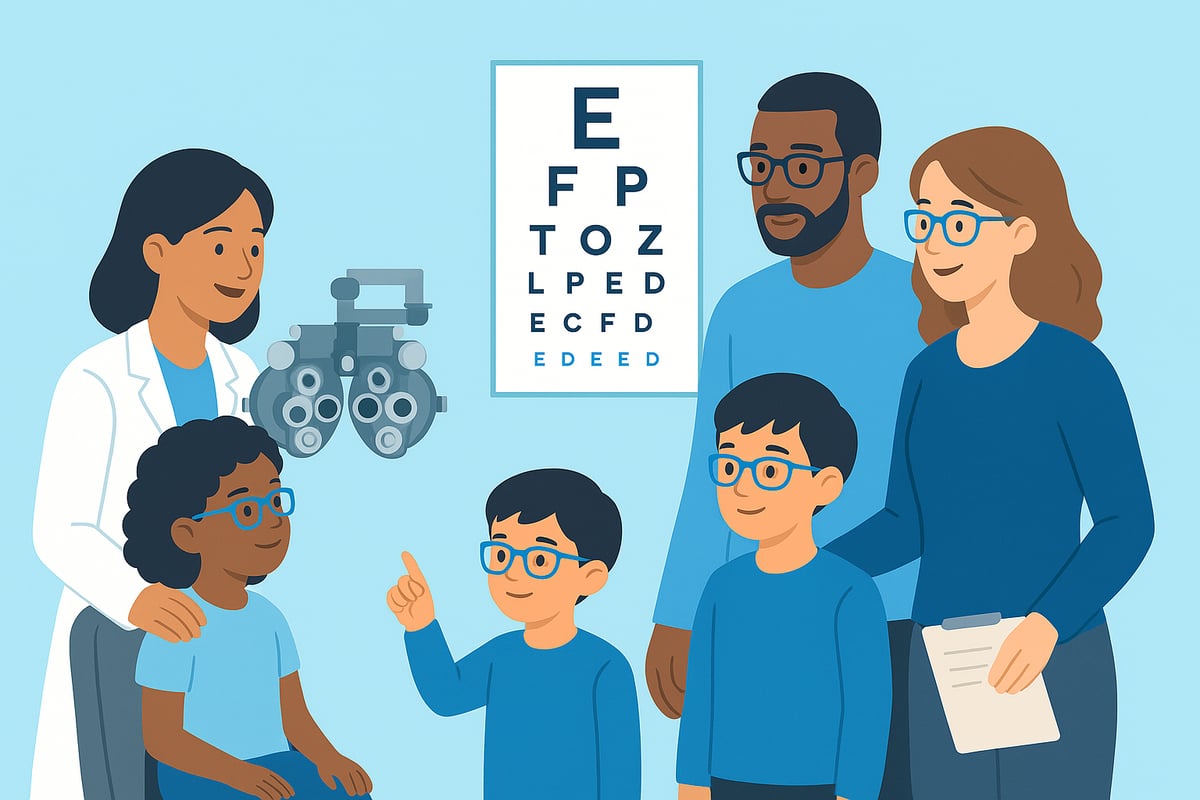
Vision Milestones for Children
Children experience rapid vision changes as they grow. Key milestones include:
- Tracking and focusing by six months
- Depth perception and color recognition by preschool
- Hand-eye coordination strengthening in school years
Parents should watch for signs like frequent squinting, covering one eye, or persistent eye rubbing. These indicators may signal a need for professional eye care. Regular assessments help identify issues early, supporting healthy development and academic readiness.
Importance of Early Detection and Intervention
Early detection of vision problems is critical. In Ontario, untreated issues like amblyopia or strabismus can affect learning, socialization, and confidence. According to provincial data, amblyopia affects about 2-4 percent of children, while strabismus is also common.
Professional eye care includes routine screenings, which allow for prompt intervention if problems arise. Early treatment can help manage conditions, minimizing long-term impacts on vision and daily life.
Myopia Progression and Management
Myopia, or nearsightedness, is rising among Ontario children. Factors include increased screen time, limited outdoor play, and family history. Managing myopia involves several strategies:
- Encouraging outdoor activity
- Using myopia control lenses
- Regular monitoring by an eye care professional
Professional eye care providers may recommend interventions like MiYOSMART lenses or orthokeratology, tailored to each child’s needs. Early action can help slow progression and support healthy vision.
Preparing Children for Eye Exams
Preparing children for eye exams can reduce anxiety and improve cooperation. Parents can:
- Explain what will happen using age-appropriate language
- Allow children to bring a favorite toy or book
- Schedule appointments during times when children are well-rested
During pediatric assessments, optometrists use gentle, non-invasive techniques suited for each age group. This supportive approach is a hallmark of professional eye care in Ontario.
Family Strategies for Ongoing Eye Health
Coordinating family eye exams ensures everyone stays up-to-date with their vision needs. In Ontario, families can benefit from:
- Creating screen time guidelines to reduce digital eye strain
- Promoting eye-friendly activities like outdoor play and reading
- Reviewing family history to identify potential risk factors
For more practical tips and insights, see Family Eye Care for All Ages. Professional eye care teams provide comprehensive support, guiding families in building lifelong habits for healthy eyes.
Ontario Resources and Support Programs
Ontario residents have access to several resources for pediatric vision health. OHIP covers annual eye exams for children up to age 19. Many schools offer vision screening programs to catch issues early.
Families can also connect with local networks and organizations for support in managing pediatric eye conditions. Professional eye care providers in Durham and Oshawa can assist with navigating these options, ensuring every child receives the attention they need.
Managing Common Eye Conditions in 2026
Ontario residents face a variety of common eye conditions that require timely attention and expert management. Understanding these issues and knowing when to seek professional eye care can help protect vision and overall wellness.
Dry Eye Syndrome: Causes and Treatments
Dry eye syndrome is a frequent concern in Ontario, especially among adults who use digital devices extensively or experience seasonal allergies. Symptoms include stinging, burning, or a gritty sensation in the eyes. Environmental factors like indoor heating, air conditioning, and screen time can worsen dryness.
Risk factors include aging, certain medications, and medical conditions such as autoimmune disorders. Professional eye care providers often recommend artificial tears, humidifiers, and environmental adjustments. In-office therapies, including specialized heat treatments, may also help manage persistent symptoms.
Regular assessments are important to tailor treatment and monitor changes. Addressing dry eye early supports comfort and long-term eye health.
Glaucoma: Early Detection and Ongoing Management
Glaucoma is a leading cause of irreversible vision loss in Ontario, primarily affecting adults over 40 and those with a family history of the disease. This condition develops gradually, often without noticeable symptoms in its early stages, making routine screenings essential. Professional eye care includes measuring intraocular pressure and conducting visual field tests to detect changes promptly.
Management involves prescription eye drops, laser procedures, or surgery as needed. For more information on risk factors, screening, and ongoing management, visit the Guide to Glaucoma Prevention and Management.
Scheduling regular eye exams is key, especially for those in higher-risk groups. Early detection enables effective intervention and helps protect vision.
Age-Related Macular Degeneration (AMD)
Age-related macular degeneration (AMD) is a significant concern for seniors in Ontario. AMD affects the central part of the retina, leading to blurred or distorted vision. Common symptoms include difficulty reading, recognizing faces, or seeing fine details.
Risk factors include age, genetics, smoking, and poor nutrition. Professional eye care emphasizes regular retinal imaging to monitor progression. Dietary adjustments, such as increasing leafy greens and omega-3 fatty acids, may help support retinal health.
Early identification and ongoing monitoring are vital. Timely intervention can help manage symptoms and maintain daily activities.
Diabetic Eye Disease
Diabetic eye disease includes diabetic retinopathy and other complications that can threaten vision if not addressed. People living with diabetes in Ontario are at higher risk, and annual eye exams are strongly recommended.
Professional eye care providers assess for early signs, such as microaneurysms or retinal swelling. Blood sugar and blood pressure control are crucial in reducing risks. If changes are detected, treatment options may include laser therapy or injections to manage retinal damage.
Consistent monitoring and communication with healthcare teams support long-term vision health for diabetic patients.
Allergic and Environmental Eye Irritations
Ontario residents often experience eye irritation due to pollen, dust, or air pollution. Symptoms include redness, itching, tearing, and swelling. Seasonal allergies are a common trigger, particularly during spring and fall.
Professional eye care strategies focus on minimizing exposure, such as using air purifiers and keeping windows closed during high pollen counts. Over-the-counter antihistamine drops may help relieve discomfort, but persistent symptoms should be evaluated by an eye care provider.
Identifying and managing environmental triggers can greatly improve comfort and reduce the risk of complications.
When to Seek Urgent Eye Care
Certain symptoms signal the need for immediate attention. Sudden vision loss, eye trauma, flashes of light, or a rapid increase in floaters require urgent assessment by a professional eye care provider.
In Ontario, emergency eye care services are accessible through hospital emergency rooms and some optometry clinics. Prompt evaluation can help prevent permanent vision loss and address underlying causes quickly.
Knowing when to seek help is essential for maintaining eye health and ensuring timely intervention for serious conditions.
Eye Care Maintenance: Lifestyle, Prevention, and Long-Term Strategies
Maintaining optimal vision health requires a proactive and comprehensive approach. Professional eye care is not just about regular exams but also about making informed lifestyle choices that support long-term wellness. In Ontario, integrating preventive strategies into daily routines helps manage risks and maintain clear sight throughout life.
Nutrition and Eye Health
A balanced diet is a cornerstone of professional eye care. Specific nutrients such as vitamin A, omega-3 fatty acids, lutein, and zeaxanthin have been shown to support retinal health and reduce the risk of age-related changes.
Incorporate foods like leafy greens, carrots, fish, and eggs for their eye-friendly nutrients. Hydration and antioxidants also play a vital role in preventing oxidative stress within the eye. For more detailed guidance, review these Nutrition and Eye Health Tips to support your daily choices.
Eye Safety at Home, Work, and Play
Protecting your eyes from injury is a fundamental aspect of professional eye care. At home, use safety glasses during DIY projects or when using harsh chemicals. In the workplace, follow Ontario’s regulations for protective eyewear, especially in fields like construction or manufacturing.
For sports, choose sport-specific protective eyewear that meets Canadian safety standards. Teaching children to wear proper protection during play helps prevent common injuries and fosters lifelong safe habits.
Digital Device Use and Vision Protection
Screen time is a daily reality, increasing the risk of digital eye strain. Professional eye care practitioners recommend the 20-20-20 rule: every 20 minutes, look at something 20 feet away for 20 seconds.
Set up an ergonomic workstation with proper lighting to reduce glare and fatigue. In Ontario, surveys reveal rising screen time among all age groups, making vision protection strategies essential to prevent discomfort and long-term strain.
UV Protection and Outdoor Eye Care
Ultraviolet rays can damage delicate eye tissues over time. Sunglasses labeled with 100 percent UVA and UVB protection are recommended for both children and adults as part of professional eye care routines.
Wide-brimmed hats offer added defense during outdoor activities. Remind children to wear sunglasses when playing outside, especially in summer, to minimize cumulative UV exposure.
Regular Monitoring and Adapting Eye Care Routines
Keeping up with scheduled eye exams allows for timely adjustments to prescriptions and early detection of changes. Professional eye care providers in Ontario suggest updating routines as vision needs evolve, particularly with age or changing health conditions.
Bring a list of current medications and family history to appointments to support personalized care. Adaptation ensures ongoing protection and maximizes visual performance at every stage of life.
Community Resources and Vision Health Advocacy
Ontario offers a range of community resources to promote vision health. Local organizations help residents access low-cost eyewear and professional eye care services, especially in the Durham region.
Public health campaigns and resources, such as those highlighted in the Eye Health Survey Canada 2025, help raise awareness and address knowledge gaps. Engaging with these programs supports both individual and community-wide vision health.
As you’ve discovered in this guide, prioritizing your vision health is more important than ever—especially as technology, lifestyle, and age all play a role in your eyes’ well-being. Whether you’re considering proactive steps for your family or want to take advantage of the latest advancements in eye care, expert guidance makes all the difference. At Durham Vision Care, you’ll find dedicated professionals who tailor each eye exam to your unique needs, ensuring early detection and personalized treatment. If you’re ready to take the next step toward clearer, healthier vision, I encourage you to Book an Appointment today.







Recent Comments