
Did you know that digital eye strain is on the rise, affecting more Ontarians every year? As we head into 2026, protecting your vision is more vital than ever. This handbook from the eye docs is designed to be your trusted resource for navigating modern eye care.
Inside, you will find clear, current information on how your eyes work, common vision problems, the newest diagnostic tools, and steps you can take to keep your eyes healthy for life. You will also learn how to access eye care services across Ontario with confidence.
Ready to take control of your eye health? Let the eye docs guide you through everything you need to know for clearer, more comfortable vision.
Understanding Eye Anatomy and How Vision Works
Our eyes are intricate organs that allow us to experience the world in vivid detail. For the eye docs, understanding how vision works is the first step toward protecting lifelong eye health. Let’s explore the essentials of eye structure, how vision evolves, what impacts eye health, and why regular exams matter.
The Structure of the Eye
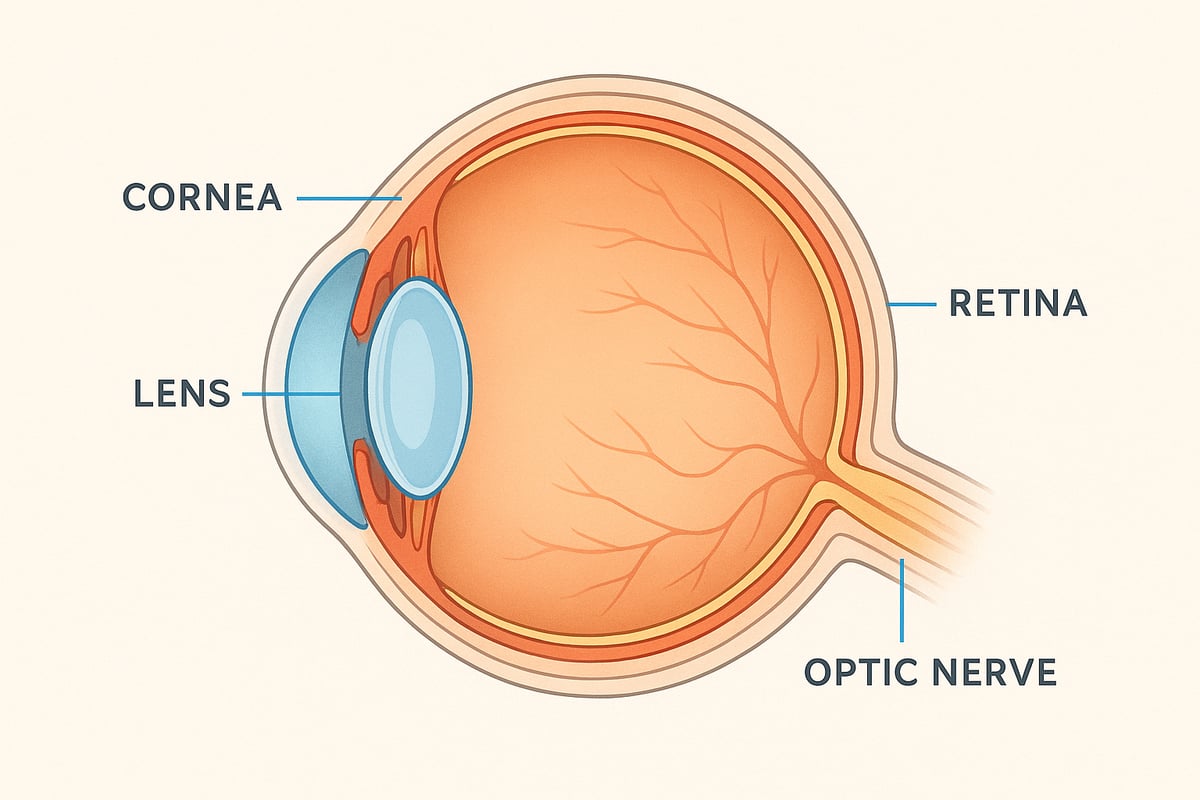
The eye is composed of several key parts, each with a specialized role in vision. The cornea, the transparent front layer, helps focus incoming light. Behind it, the lens fine-tunes focus so we can see objects at various distances. The retina, lining the back of the eye, contains light-sensitive cells that convert light into electrical signals. These signals travel through the optic nerve to the brain, where images are formed.
Here’s a quick reference table:
| Eye Part | Function |
|---|---|
| Cornea | Focuses incoming light |
| Lens | Adjusts focus for near and far vision |
| Retina | Detects light, initiates image processing |
| Optic Nerve | Transmits signals to the brain |
The eye docs emphasize that every component must work together for clear, healthy vision.
How Vision Changes Over Time
Vision changes are a natural part of life. In childhood, the eye grows and develops rapidly, reaching key milestones like depth perception and hand-eye coordination. As we age, conditions like presbyopia (difficulty focusing up close) or cataracts (clouding of the lens) can develop. Genetics play a role, but lifestyle factors such as nutrition and sun exposure also influence changes.
The eye docs recommend monitoring vision at every stage. Early detection of shifts in sight can help manage issues and keep eyes functioning well from childhood through senior years.
Key Factors Affecting Eye Health
Modern life presents new challenges for eye health. Extended digital device use exposes our eyes to blue light, increasing the risk of digital eye strain. Symptoms may include dryness, blurred vision, and headaches. Environmental factors like UV rays and air pollution can damage eye tissues over time. Nutrition is equally important—vitamins A, C, and E, plus omega-3s, support strong vision.
For practical ways to protect your sight in the digital age, check out these digital eye strain protection tips. The eye docs always stress a holistic approach to eye health.
The Importance of Regular Eye Exams
Routine eye exams are essential for catching problems early. For children (0–19) and seniors (65+), OHIP covers annual comprehensive exams in Ontario. Adults aged 20–64 should consult their eye care provider for recommended frequency, as needs vary based on health and risk factors.
The eye docs advise bringing your health card and current eyewear to appointments. Exams can uncover vision issues and sometimes even signal broader health concerns. Consistent monitoring is key to long-term eye health.
Common Vision Problems in 2026: Causes, Symptoms, and Management
Vision health in Ontario is shaped by a mix of lifestyle, genetics, and access to care. In 2026, the eye docs are seeing several types of vision problems affecting all age groups. Early recognition and management are essential for maintaining quality of life. Below, discover the most common issues, their signs, and practical steps for care.
Refractive Errors: Myopia, Hyperopia, Astigmatism
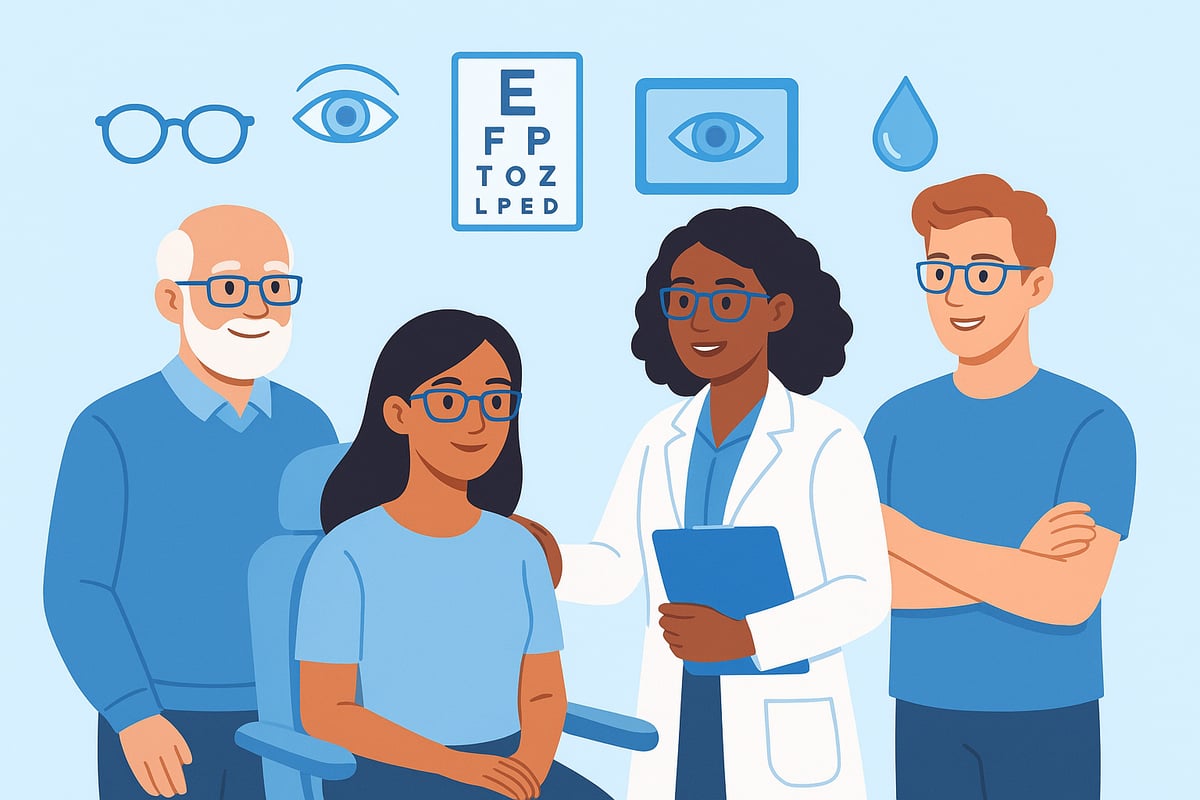
Refractive errors are among the most common reasons people visit the eye docs in Ontario. Myopia (nearsightedness), hyperopia (farsightedness), and astigmatism occur when the shape of the eye prevents light from focusing correctly on the retina. This leads to blurred vision, headaches, and trouble seeing at certain distances.
Symptoms often include squinting, eye strain, and difficulty with night driving. In Ontario, myopia rates are rising, especially in children and young adults. Management options provided by the eye docs include prescription glasses, contact lenses, and myopia control strategies such as specialized lenses or atropine drops. For a deeper look at these conditions, see Common eye conditions and symptoms.
Dry Eye Syndrome and Digital Eye Strain
With increased digital device use, dry eye syndrome and digital eye strain are now routine concerns for the eye docs. Dry eye occurs when the eyes do not produce enough tears or when tears evaporate too quickly. Digital eye strain is caused by prolonged screen time, leading to symptoms like dryness, irritation, blurred vision, and headaches.
Common management steps recommended by the eye docs include artificial tears, regular screen breaks, and optimizing lighting in workspaces. Adjusting monitor height and using blue light filters may also help. Recognizing these symptoms early allows for timely assessment and long-term comfort.
Age-Related Eye Conditions
Age brings its own set of vision challenges, and the eye docs frequently diagnose cataracts, glaucoma, and macular degeneration in older adults. Cataracts cloud the eye’s lens, leading to gradual vision loss. Glaucoma affects the optic nerve, often without early symptoms, while macular degeneration impacts central vision.
Risk factors include age, family history, smoking, and certain medical conditions. The eye docs stress regular eye exams for early detection and ongoing monitoring. Treatment options include medications, lifestyle changes, and in some cases, surgical intervention. Staying informed supports better outcomes.
Pediatric Vision Concerns
Children’s vision is a top priority for the eye docs, especially as myopia rates increase in younger populations. Pediatric concerns include amblyopia (lazy eye), strabismus (eye turn), and rapidly progressing myopia. Early detection is crucial because untreated vision problems can impact learning and social development.
The eye docs recommend comprehensive eye exams starting before school age, following OAO guidelines. Preventive care, such as outdoor play and limiting close-up activities, can help manage risks. School screenings and parental awareness both play a part in protecting children’s sight.
When to Seek Immediate Eye Care
Certain eye symptoms require urgent attention from the eye docs. Warning signs include sudden vision loss, flashes of light, new floaters, or severe eye pain. These could indicate retinal detachment, acute glaucoma, or infections that need prompt care.
In Ontario, urgent eye care protocols guide patients to appropriate services, whether through emergency departments or direct referral. Example scenarios include chemical exposure, trauma, or rapid changes in vision. Knowing when to act quickly can prevent lasting damage and protect long-term eye health.
Advances in Eye Care Technology and Diagnostics
Eye care is evolving rapidly, and the eye docs are at the forefront of integrating new technology for improved patient outcomes. In Ontario, clinics are adopting advanced tools and digital solutions, making vision care more precise and accessible. Understanding these changes helps you make informed choices for your eye health.
Modern Diagnostic Tools
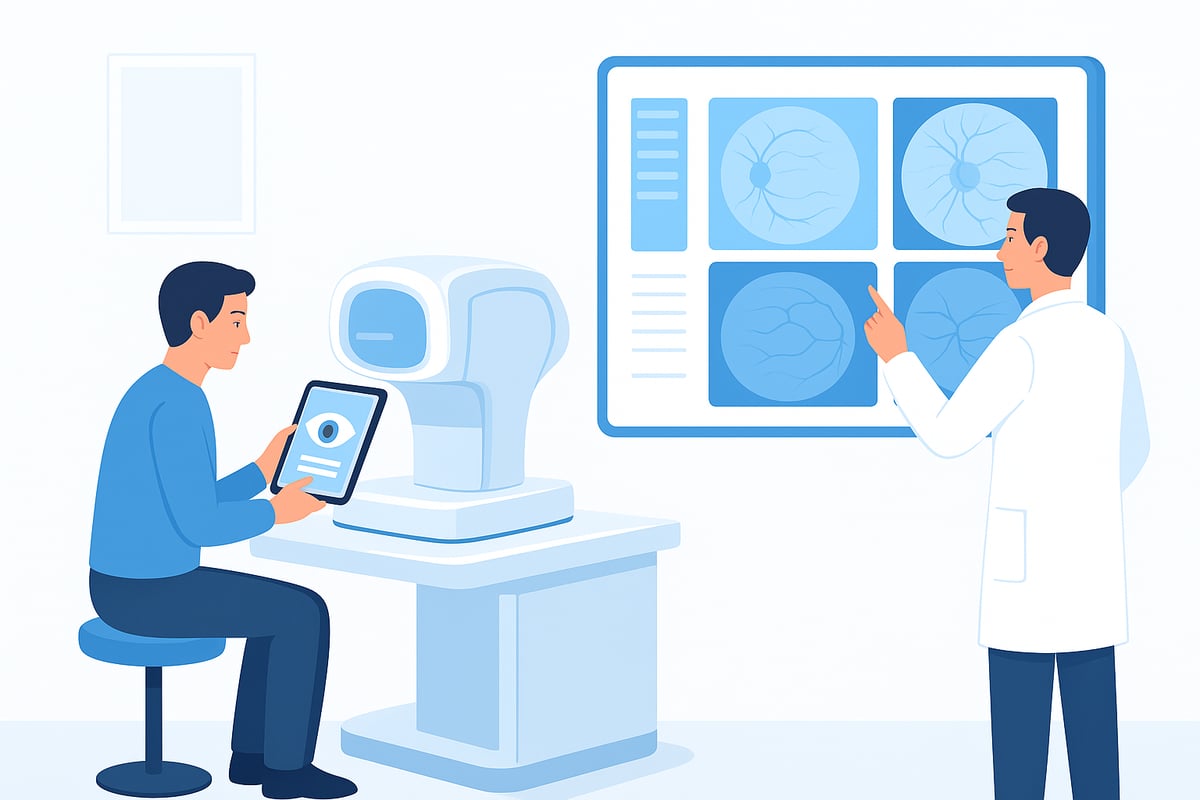
The eye docs in Ontario use several advanced diagnostic tools to assess eye health. Optical Coherence Tomography (OCT) is a non-invasive imaging method that captures cross-sectional pictures of the retina. OCT allows practitioners to monitor subtle changes in retinal layers, which is essential for identifying early signs of diseases like glaucoma and macular degeneration.
Retinal imaging provides a detailed view of blood vessels and the optic nerve. These technologies help the eye docs detect issues before symptoms appear, supporting proactive care. Early detection is crucial for managing vision changes and preserving eye health.
Contact Lens Innovations
Contact lens technology has advanced, offering more options for comfort and vision correction. The eye docs now fit lenses made from materials that allow high oxygen permeability, reducing dryness and irritation. Specialty lenses, such as multifocal lenses, myopia control lenses, and scleral lenses, address specific needs.
Proper lens care is emphasized by the eye docs to minimize infection risk. Patients receive guidance on cleaning routines and replacement schedules. These innovations mean more people can safely and comfortably enjoy the benefits of contact lenses.
Eyewear Trends and Protective Solutions
Eyewear has become both functional and stylish, reflecting advances in materials and design. The eye docs recommend blue light filtering lenses for those spending extended hours on digital devices, helping to reduce eye strain. UV protection is available in both prescription and non-prescription eyewear, shielding eyes from harmful sunlight.
| Feature | Benefit |
|---|---|
| Blue Light Filtering | Reduces digital eye strain |
| UV Protection | Shields eyes from sun exposure |
| Trendy Frames | Combines fashion with function |
Patients can choose frames that match their personality without compromising on protection or comfort.
Tele-optometry and Remote Consultations
Virtual care is expanding in Ontario, and the eye docs now offer tele-optometry services for routine consultations and follow-ups. Remote visits improve access for patients in rural areas or those with mobility challenges. Benefits include convenience and timely advice, though some conditions still require in-person exams.
Privacy and data security are priorities for the eye docs, who follow Ontario regulations to protect patient information. While tele-optometry increases flexibility, it serves as a complement to—not a replacement for—comprehensive exams.
Integration of Artificial Intelligence
Artificial intelligence is making a significant impact in eye care. The eye docs use AI-assisted tools to analyze retinal images, helping to flag early signs of disease with greater accuracy. These technologies support clinical decision-making and can enhance the quality of care.
One example is the development of AI frameworks that create 3D eye models from standard images, which can be used in personalized myopia management. For more on this topic, see Fundus2Globe: AI-Driven 3D Eye Models. The eye docs always follow Canadian regulatory guidance, ensuring that AI is used safely and responsibly to support patient care.
Preventive Eye Care: Steps for Lifelong Healthy Vision
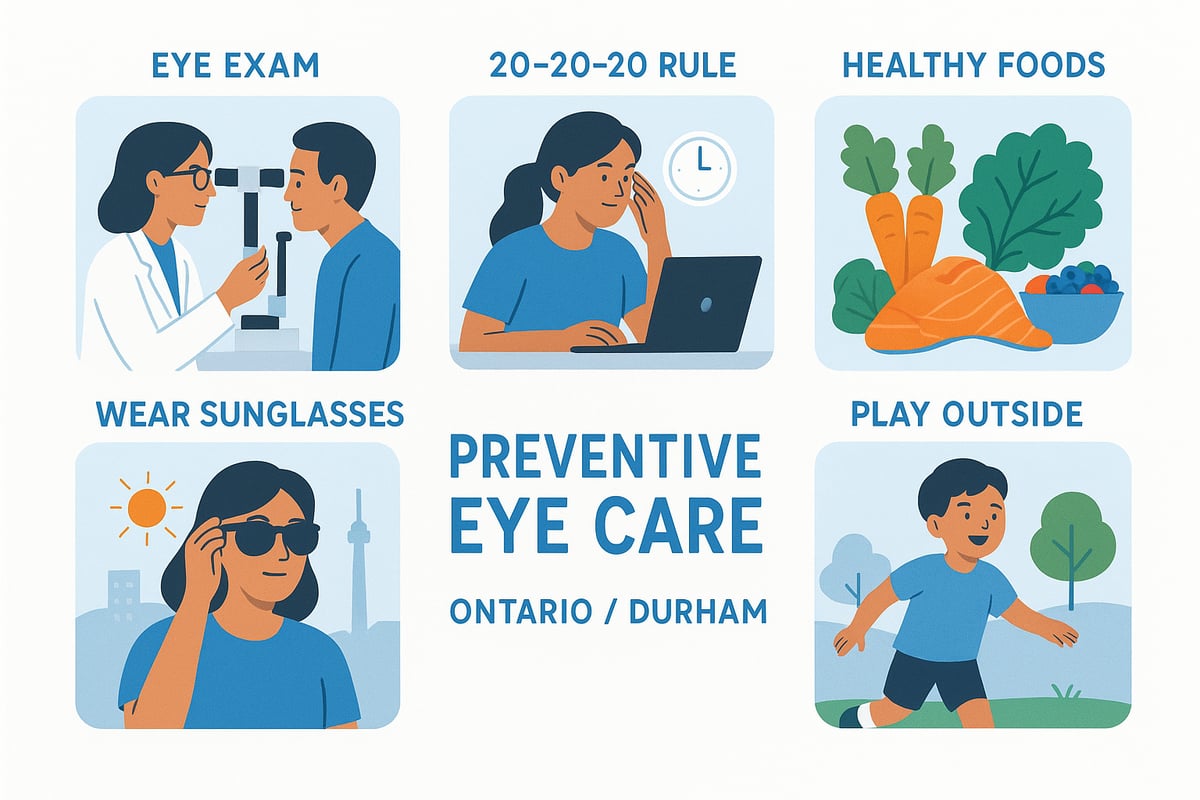
Taking a proactive approach to eye health is essential in 2026. The eye docs recommend adopting preventive strategies to support vision at every stage of life. By following practical steps, you can reduce your risk of common eye issues and maintain optimal sight for years to come.
Step 1: Schedule Regular Eye Exams
Routine eye exams are a cornerstone of preventive vision care. The eye docs stress that early detection of eye conditions can help manage issues before they progress. In Ontario, OHIP covers annual exams for children (0-19) and seniors (65+), while adults (20-64) may have coverage if they have specific medical conditions.
For most, Health Canada and the Ontario Association of Optometrists recommend eye exams every one to two years, depending on age and risk factors. Exams can also reveal signs of systemic health concerns such as diabetes or hypertension. Learn more about this essential habit in the Why regular eye exams matter guide.
Bringing your health card, current eyewear, and medication list to appointments ensures you get the most out of your visit.
Step 2: Practice Safe Digital Device Habits
Digital screens are a daily reality for most Ontarians. The eye docs advise following the 20-20-20 rule: every 20 minutes, look at something 20 feet away for 20 seconds. This simple habit helps reduce digital eye strain, which is increasingly common in 2026.
Position screens at eye level and keep them about an arm’s length away. Adjust lighting to prevent glare and consider using blue light filters on devices, especially if you spend extended hours online. Ontario schools also encourage regular breaks and outdoor activities to support children’s healthy vision.
Step 3: Maintain a Nutrition-Rich Diet
Proper nutrition plays a vital role in eye health. The eye docs highlight several nutrients that support vision:
| Nutrient | Example Foods | Benefit |
|---|---|---|
| Vitamin A | Carrots, sweet potato | Supports night vision |
| Lutein | Spinach, kale | Helps filter blue light |
| Omega-3s | Salmon, flaxseed | Supports tear production |
Health Canada recommends a diet rich in colorful fruits, vegetables, and healthy fats. Staying hydrated is also important, as dehydration can contribute to dry eye symptoms.
Step 4: Protect Eyes from Environmental Risks
Environmental factors can impact eye health year-round. The eye docs recommend wearing sunglasses with 100 percent UV protection, even on cloudy days. In Ontario, UV exposure is a risk throughout the seasons.
If you work with tools or play sports, use appropriate safety eyewear to prevent injuries. Monitor air quality, especially during allergy season, and consider using lubricating drops if you experience dryness from indoor heating or pollution.
Step 5: Encourage Eye-Friendly Habits in Children
Children’s vision needs special attention. The eye docs encourage outdoor play, which is linked to reduced myopia progression. Limiting close-up activities, such as excessive screen time or reading, helps minimize eye strain.
Early screening is vital. The OAO recommends children have their first eye exam between 6 and 9 months, again between 2 and 5 years, and annually after starting school. Parents and teachers should watch for signs like squinting or frequent headaches.
Navigating Eye Care Services in Ontario: What Patients Need to Know
Accessing quality vision care in Ontario requires a solid understanding of available services, eligibility, and the roles of various professionals. The eye docs guide makes this process easier by breaking down each step for patients in Oshawa and the Durham region.
Understanding OHIP Coverage and Eligibility
Ontario residents benefit from OHIP-funded eye exams at specific life stages. Children aged 0 to 19 and seniors 65 and older can access one comprehensive eye exam per year, along with follow-up assessments as needed. For adults aged 20 to 64, OHIP covers exams only for certain medical conditions or emergencies.
The eye docs emphasize that knowing your eligibility helps you plan and budget for eye care. Many Ontarians are unaware of these coverage details, which can create barriers to accessing necessary services. According to the Canada Eyecare Report 2025, almost half of Canadians say cost is a factor in delaying eye exams. Always verify your eligibility before booking.
Choosing the Right Eye Care Professional
Navigating the landscape of eye care providers can be confusing. The eye docs recommend understanding the differences among optometrists, ophthalmologists, and opticians:
| Provider | Role | When to See |
|---|---|---|
| Optometrist | Eye exams, vision correction, disease assessment | Routine care, vision changes |
| Ophthalmologist | Medical and surgical eye treatments | Complex disease or surgery |
| Optician | Dispenses glasses and contact lenses | Eyewear fitting and adjustments |
If you require specialized care, your optometrist will refer you to an ophthalmologist. For eyewear, opticians ensure proper fit and adjustment. The eye docs suggest choosing providers based on your specific vision needs.
Booking and Preparing for Your Appointment
When booking an eye exam, have your OHIP card ready and confirm your eligibility. The eye docs advise bringing your current glasses or contact lenses, a list of medications, and any relevant medical history.
A comprehensive exam typically includes vision testing, eye health assessment, and, if needed, dilation for a closer look at the retina. Prepare a list of questions about your vision or lifestyle so you can get the most value from your visit. Arriving with this information helps your provider address your unique needs efficiently.
Understanding Your Vision Prescription and Treatment Options
After an exam, your provider gives you a prescription detailing your vision correction needs. The eye docs break down common terms:
- SPH (Sphere): Amount of correction for nearsightedness or farsightedness.
- CYL (Cylinder): Adjustment for astigmatism.
- AXIS: Orientation of astigmatism correction.
Treatment options include glasses, contact lenses, or refractive surgery, depending on your prescription and lifestyle. Discuss these choices with your provider to find solutions that fit your work, hobbies, and comfort. If you have questions about common eye issues or treatment gaps, the Eye Health Survey Canada 2025 highlights areas where patient education is especially important.
Durham Vision Care: Comprehensive Eye Care in Oshawa
Durham Vision Care offers a wide range of services for patients of all ages in Oshawa and the Durham region. The eye docs at this clinic provide comprehensive eye exams, contact lens fittings, dry eye assessments, and advanced diagnostics like OCT scans.
Services are tailored to children, adults, and seniors, focusing on early detection and management of vision issues. Patients can choose from a selection of eyewear, benefit from direct insurance billing, and use convenient online booking. Education and personalized care are central to their approach, helping you maintain optimal eye health at every stage.
The Future of Eye Health: Trends and What to Watch For in 2026
As we look ahead to 2026, the landscape of vision care in Ontario continues to evolve. The eye docs are seeing shifts driven by demographic trends, technology, and public awareness. Understanding these changes helps patients and families prepare for what lies ahead.
Anticipated Changes in Vision Needs
Ontario’s population is aging, and this shift is impacting vision care priorities. The eye docs recommend that older adults stay vigilant, as conditions like cataracts and glaucoma become more common with age. At the same time, increased digital device use is affecting every age group, leading to a rise in digital eye strain and related symptoms.
A notable trend is the projected increase in myopia among children, driven by lifestyle and environmental factors. The eye docs point to the importance of early screening and intervention, as highlighted in this resource on Pediatric vision and early screening. Proactive care helps address vision issues before they affect learning or development.
Emerging Treatments and Therapies
Innovation is shaping how the eye docs approach common eye conditions. Myopia control therapies, such as specialty contact lenses and atropine drops, are now widely used to manage progression in children. For adults, new dry eye management options are available, including advanced artificial tears and in-office procedures.
Device-based therapies are also being explored for various eye health concerns. All treatments undergo review and approval by Health Canada, ensuring safety and efficacy for patients in Ontario. The eye docs always recommend discussing emerging options with a qualified eye care professional to determine what is appropriate for each individual.
Policy and Public Health Initiatives
Government-led programs continue to support early detection and vision screening in Ontario. The eye docs participate in school-based initiatives, where children receive routine vision assessments as part of public health policies. These programs aim to catch issues early and promote equitable access to care.
Public health campaigns from the Ontario Association of Optometrists (OAO) and Health Canada emphasize prevention and education. For example, guidelines recommend regular eye exams for children, adults, and seniors, with OHIP coverage available for specific age groups. The eye docs encourage families to stay informed about these resources and take advantage of available services.
Empowering Patients Through Education and Self-Advocacy
Health literacy is an essential tool for navigating the future of eye care. The eye docs believe that informed patients are better equipped to manage their vision and make proactive choices. Resources from OAO and Health Canada provide up-to-date information on eye health, exam schedules, and coverage options.
Staying current on vision care developments helps patients advocate for themselves and their families. The eye docs recommend regular review of trusted educational materials and open conversations with providers about any questions or concerns. This approach ensures that everyone has the tools to prioritize their eye health as trends continue to evolve.
After exploring the essential steps for protecting your vision in 2026—from understanding the basics of eye anatomy to recognizing the importance of early detection and personalized care—it’s clear that taking action today can make all the difference for your eye health. If you’re ready to put this knowledge into practice and ensure your eyes receive the attention they deserve, we’re here to help. At Durham Vision Care, you’ll find comprehensive exams, advanced diagnostics, and solutions tailored for every stage of life. Let’s take the next step together—Book an Appointment and invest in your lifelong vision.






Recent Comments