
Sudden eye pain, vision changes, or an unexpected injury can catch anyone off guard. Eye emergencies may develop quickly, and knowing how to respond is essential for protecting your vision.
This expert guide to urgent care for eyes in 2026 is tailored for residents in Ontario, Canada. You will learn how to recognize urgent eye issues, understand your care options, and navigate the right pathways for prompt support.
Discover which symptoms need immediate attention, what actions to take during an emergency, and where to find trusted resources in your community. Stay informed and prepared to act when every second counts.
Understanding Urgent Eye Conditions in 2026
Recognizing when to seek urgent care for eyes is critical for protecting vision. In Ontario, knowing the difference between minor discomfort and true emergencies helps residents act quickly and appropriately.
Defining Urgent Eye Issues
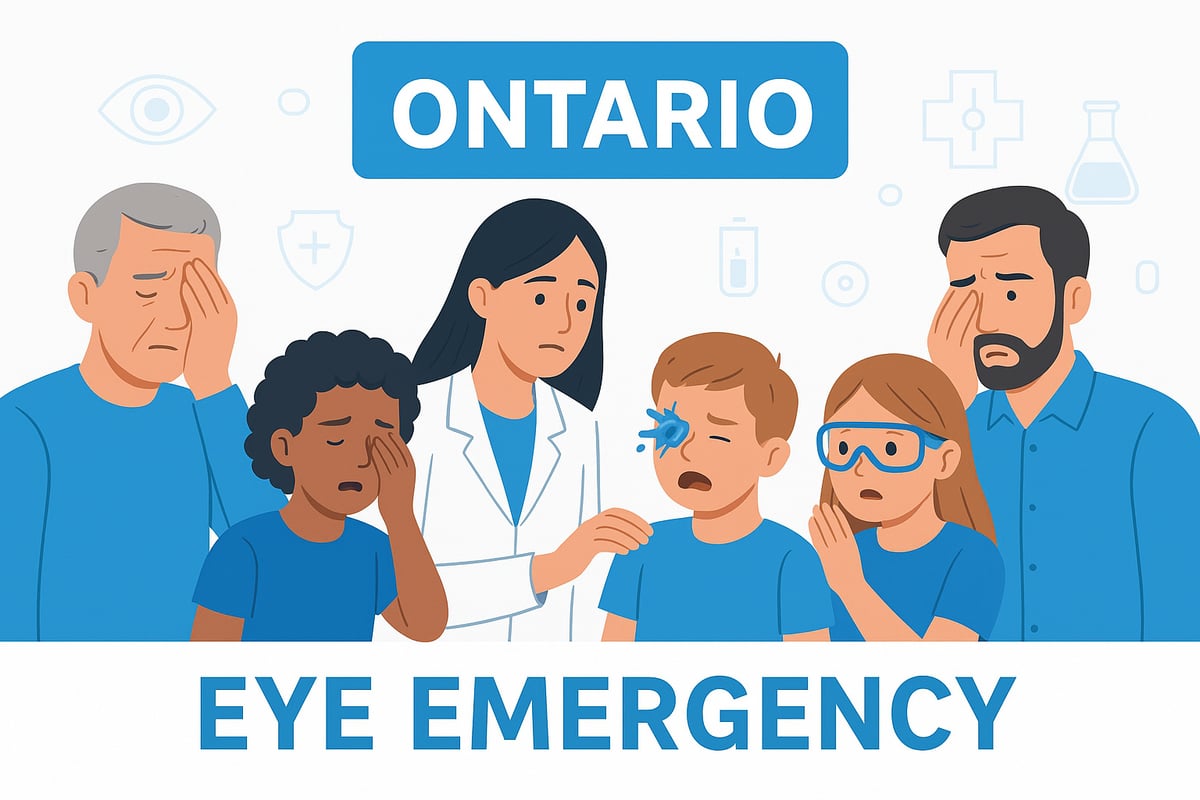
Urgent care for eyes addresses situations where immediate attention is required to prevent lasting damage. Common emergencies include sudden vision loss, chemical exposure, blunt or sharp trauma, and severe infections.
Some of the most frequently encountered urgent conditions are retinal detachment, acute angle-closure glaucoma, corneal abrasions, and serious eye infections. These can present suddenly and progress rapidly if not managed promptly.
It’s important to distinguish urgent care for eyes from routine discomfort, such as mild dryness or temporary irritation. According to Health Canada, thousands of Ontarians experience eye emergencies each year, with rates higher among older adults and certain workplaces.
Quick action is vital. Delays in seeking urgent care for eyes can increase the risk of permanent vision changes. Early recognition and response are essential to preserving sight and minimizing complications.
Symptoms Requiring Immediate Attention
Knowing which symptoms require urgent care for eyes can help you make prompt decisions. Watch for these red flags:
- Severe or persistent eye pain
- Sudden flashes of light or new floaters
- Rapid vision loss in one or both eyes
- Unusual discharge or swelling
- Double vision or difficulty focusing
For example, a chemical splash at work or sports-related trauma may cause immediate pain or vision changes. In children, symptoms can be subtle or mistaken for fatigue, while adults might notice sudden blurring or darkness in part of their vision.
If you are unsure whether your symptoms are urgent, this Common Eye Conditions in Oshawa guide can help you recognize when to seek professional assessment. Remember, urgent care for eyes is necessary if symptoms are severe, sudden, or worsening.
Risk Factors and Populations at Higher Risk
Certain groups in Ontario are more likely to require urgent care for eyes. Children and seniors (ages 0-19 and 65+), who are covered by OHIP for many urgent eye conditions, face increased risks. Seniors may experience age-related changes, while children are prone to injuries during play.
Workplace hazards also contribute. Construction, laboratory, and manufacturing settings see higher rates of eye injuries. According to recent data, Ontario workplaces report thousands of eye injuries each year, many requiring urgent care for eyes.
Chronic conditions like diabetes and hypertension increase the risk of urgent eye issues, such as retinal problems or infections. Recognizing these risk factors helps residents and families stay alert and seek timely care.
Immediate Steps to Take During an Eye Emergency
When an eye emergency strikes, every second counts. Knowing the immediate actions to take can make a significant difference in protecting your vision. Whether you are at home, work, or school, being prepared to respond is crucial for anyone seeking urgent care for eyes in Ontario.

Step 1: Assess the Situation
Stay calm and avoid panicking. The first thing to remember is not to rub or apply pressure to the affected eye, as this can worsen the injury. Quickly identify the symptoms you are experiencing and note the exact time they began.
If you wear contact lenses, remove them only if it feels safe and does not cause additional discomfort. This is especially important if you suspect a chemical exposure or foreign body. Early assessment is key when seeking urgent care for eyes, as it helps professionals make accurate decisions about your treatment.
Step 2: Take First Aid Measures
The right first aid response depends on the type of emergency. For chemical exposure, immediately flush your eyes with clean, lukewarm water for at least 15 minutes. Ensure the water flows away from the unaffected eye to prevent cross-contamination.
If you have sustained trauma, gently shield the injured eye with a clean cloth or the bottom of a paper cup. Avoid applying pressure. Do not attempt to remove objects stuck in the eye or use home remedies, including over-the-counter drops, without professional guidance. These steps provide critical support before you access urgent care for eyes.
Step 3: Contacting Urgent Eye Care Services
Deciding where to seek help is vital. Call 911 if you experience severe trauma, sudden vision loss, or chemical burns. For moderate symptoms, reach out to your local optometrist or visit an urgent care clinic. When contacting professionals, provide a clear description of your symptoms, the time of onset, your medical history, and any medications you take.
Ontario residents should be aware that OHIP covers emergency eye care for eligible age groups and specific conditions. To learn more about what to expect and where to go, you can review Urgent Eye Care Services available in Durham Region. Prompt communication ensures you receive the most appropriate urgent care for eyes.
Step 4: Preparing for Your Visit
Before leaving for your appointment, gather your health card, a list of current medications, and any relevant eyewear. If your vision is impaired or you feel unsteady, arrange for someone to accompany you or provide transportation.
Notify a friend or family member about your situation and destination. Preparation helps make your urgent care for eyes visit as efficient and safe as possible, supporting both your comfort and clinical outcomes.
Where to Seek Urgent Eye Care in Ontario
When you need urgent care for eyes, knowing the right place to turn can make all the difference. Ontario offers several options for immediate eye care, whether you are facing a sudden injury, chemical exposure, or a rapid change in vision. Let's explore the settings and resources available so you can act quickly and confidently.
Hospital Emergency Rooms vs. Urgent Care Clinics
In Ontario, hospital emergency rooms are equipped to handle the most severe eye emergencies. If you experience sudden vision loss, severe trauma, or a chemical burn, head directly to the ER. Emergency departments operate 24/7 and can initiate immediate treatment.
Urgent care clinics are an alternative for moderate but still pressing concerns, such as corneal abrasions or sudden onset of pain without major trauma. Clinics may have shorter wait times compared to hospitals, but they triage based on severity. Bring a health card and be prepared to describe your symptoms clearly.
Knowing where to go ensures you receive urgent care for eyes efficiently and reduces the risk of complications.
Optometrist Clinics Offering Urgent Eye Care
Many optometrists across Ontario provide urgent care for eyes, assessing and managing a range of acute symptoms. Optometrists can diagnose infections, remove foreign bodies, and identify conditions like retinal detachment. For children (0-19) and seniors (65+), OHIP covers urgent optometry visits, and some clinics accept walk-ins for eye emergencies.
It's important to note that public awareness of optometrists' role in urgent care for eyes is still growing. According to Urgent eye care awareness in Canada, only 1 in 5 Canadians recognize that optometrists offer urgent eye care services.
Check ahead for availability, and always call before arriving if possible.
Durham Vision Care: Local Urgent Eye Care Resource
In Oshawa and throughout the Durham Region, Durham Vision Care stands as a resource for urgent care for eyes. The clinic provides advanced diagnostic tools, such as slit lamp imaging and retinal scans, to accurately assess emergencies. Their patient-centric approach includes a thorough evaluation, immediate treatment when possible, and clear referral pathways to ophthalmologists or hospitals if further intervention is required.

Durham Vision Care emphasizes timely detection and management, especially for children and seniors, who are at greater risk for eye emergencies. To access urgent care for eyes at this clinic, patients can call ahead or visit during business hours for same-day assessment.
Telehealth and Virtual Eye Care Options
Tele-optometry is gaining traction in Ontario as a first step for urgent care for eyes. Through virtual consultations, optometrists can triage symptoms, recommend immediate actions, and determine if in-person care is needed. Ontario's Telehealth services also provide guidance, connecting patients to professionals who can assess urgency.
However, telehealth has limitations. If vision is rapidly worsening or there is trauma, in-person assessment remains essential. Telehealth is most effective for initial advice or follow-up questions after an urgent visit.
Virtual care expands access, but always be prepared to seek in-person urgent care for eyes when symptoms are severe.
After-Hours and Weekend Care
Eye emergencies do not follow business hours. Ontario residents can access urgent care for eyes at hospital emergency departments, which are open 24/7. In Oshawa and Durham Region, some clinics offer after-hours or weekend services specifically for urgent eye issues.
To find care outside regular hours, check local hospital websites, regional health networks, or call Telehealth Ontario. Keep a list of nearby facilities that handle urgent care for eyes, so you are prepared when time matters most.
What to Expect During Your Urgent Eye Care Visit
Experiencing an urgent care for eyes situation can feel overwhelming, especially if it is your first time seeking emergency attention. Understanding what happens during your visit helps you feel more prepared and ensures you get the most from your appointment. In Ontario, urgent care for eyes is structured to prioritize your safety, comfort, and vision health.
The Assessment Process
When you arrive for urgent care for eyes, you will first speak with a staff member who records your symptoms and the time they began. This triage process ensures the most serious cases are seen quickly. You may be asked about your medical history, current medications, allergies, and any recent eye injuries or exposures.
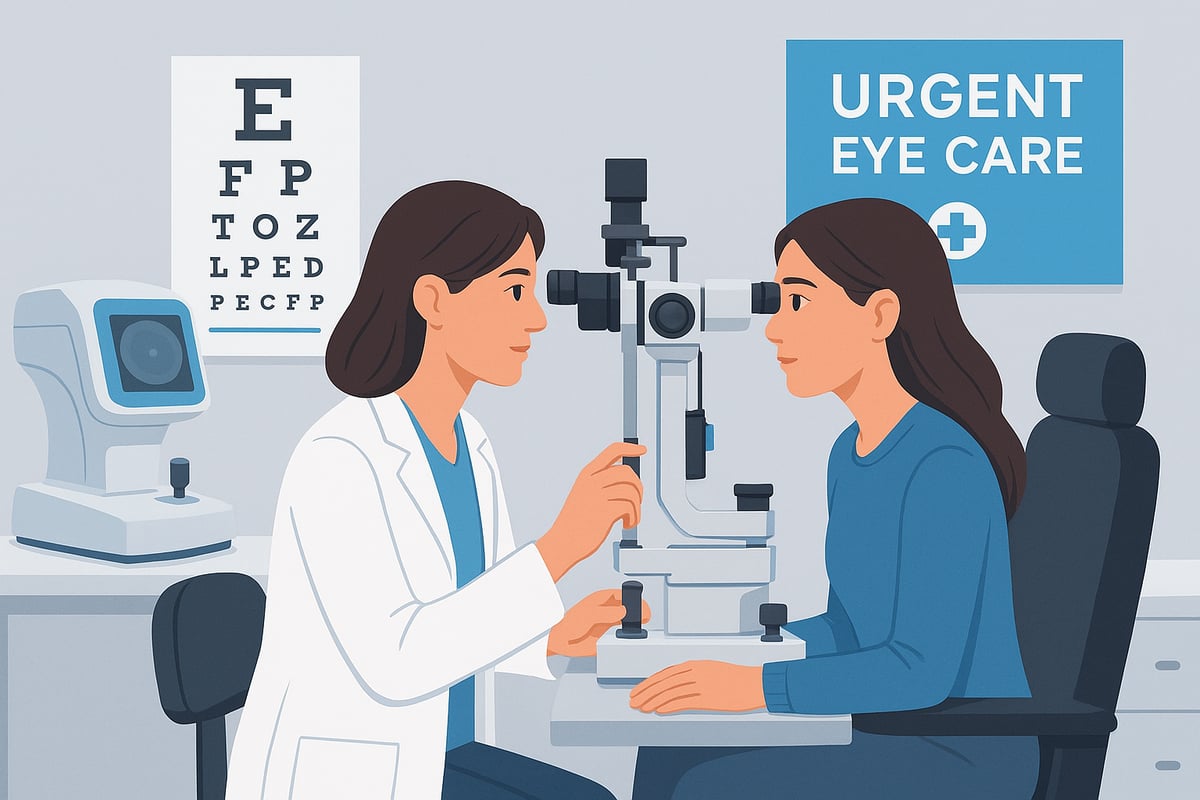
A thorough assessment follows. The optometrist or ophthalmologist will check your visual acuity, examine your pupils, and assess eye movements. Diagnostic technology such as a slit lamp is commonly used to examine the front structures of the eye, while Optical Coherence Tomography (OCT) may help visualize the retina if needed.
Common procedures during urgent care for eyes assessment include:
- Dilation of the pupils for a better view inside the eye
- Measurement of eye pressure to screen for conditions like acute glaucoma
- External and internal eye imaging
Throughout this process, you will be informed about each step so you know what to expect.
Treatments and Interventions
Once your urgent care for eyes assessment is complete, the provider will recommend appropriate treatments based on your diagnosis. Immediate interventions may include flushing the eye with sterile solution, removing foreign bodies, or prescribing medication for infection, inflammation, or pain relief.
Some treatments you might receive:
- Eye irrigation for chemical exposure
- Antibiotic or antiviral drops for infections
- Lubricating or medicated ointments for abrasions
If your condition is complex or requires surgical management, you may be referred to an ophthalmologist or hospital emergency department. Ontario residents can expect specific services to be covered under the Ontario Health Insurance Plan, depending on age and diagnosis. To learn more about what is included, visit the OHIP coverage for eye care page.
Providers will also guide you on how to use prescribed medications and manage discomfort at home.
Communication and Follow-Up
Before leaving your urgent care for eyes appointment, you will receive clear instructions for at-home care. This may include how to apply drops, protect your eye, and what symptoms require urgent return. You will be advised on warning signs such as worsening pain, new vision changes, or signs of infection.
Follow-up appointments are often scheduled to monitor your recovery and ensure the treatment is effective. It is important to attend all follow-ups and adhere to your provider’s recommendations to help manage your eye health.
If you have questions after your visit, most clinics offer a way to contact them for further guidance. Clear communication between you and your provider is key for a smooth recovery after urgent care for eyes.
Preventing Eye Emergencies: Practical Tips for 2026
Eye emergencies can be unpredictable. However, many incidents can be prevented by taking proactive steps in daily life. By understanding risk factors and applying practical strategies, you can greatly reduce the need for urgent care for eyes and protect your vision for years to come.
Protective Measures at Home and Work
Wearing the right protective eyewear is essential whether you are at home, work, or participating in sports. Many eye injuries are caused by preventable accidents, like flying debris during home repairs or impact during recreational activities. In Ontario, workplaces must follow WSIB guidelines, which require safety training and approved eyewear for hazardous environments.
Children are also at risk, especially during play or sports. Parents and educators should encourage the use of protective goggles and teach children about eye safety. To learn more about choosing the right eyewear for different situations, visit Protective Eyewear in Hazardous Environments.
By using these practical tools, you can lower your chances of needing urgent care for eyes due to injury.
Managing Chronic Eye Conditions Proactively
Managing chronic health issues is crucial when aiming to prevent eye emergencies. Conditions like diabetes and hypertension can increase the risk of sudden vision problems. Regular eye exams help detect early changes and allow for timely intervention.
The Ontario Association of Optometrists (OAO) recommends routine checkups, especially for those at higher risk. OHIP covers annual comprehensive eye exams for children (0-19) and seniors (65+), making preventive care accessible. Proactive management reduces the likelihood of requiring urgent care for eyes related to chronic disease complications.
Eye Health Education and Community Resources
Education plays a central role in preventing eye injuries and emergencies. Public health campaigns in Ontario promote awareness about eye safety, proper hygiene, and the dangers of delaying care. Community clinics and school programs deliver important information and resources, making it easier for families to stay informed.
Accessing educational materials and support groups can empower you to make safer choices. Many local organizations collaborate with schools to teach students about eye protection, further reducing the need for urgent care for eyes in the community.
Recognizing and Responding to Early Warning Signs
Knowing the early warning signs of eye trouble is vital. Symptoms like sudden vision changes, pain, flashes of light, or redness require prompt attention. Monitoring your vision at home and acting quickly can prevent minor issues from becoming emergencies.
If you notice new or worsening symptoms, it is time to consider urgent care for eyes rather than waiting for a routine appointment. Early action and regular checkups are key to maintaining healthy vision and avoiding preventable complications.
Navigating Eye Care Coverage and Costs in Ontario
Navigating the costs and coverage options for urgent care for eyes in Ontario can feel complex, especially in urgent situations. Knowing what is covered, what you might need to pay, and how to access support ensures you can focus on your vision health when it matters most.
OHIP Coverage for Urgent Eye Care
Ontario’s Health Insurance Plan (OHIP) provides essential coverage for urgent care for eyes. Children aged 0 to 19 and adults 65 and older are covered for medically necessary eye exams, including emergencies. Some specific eye conditions, like sudden vision loss or injury, are also covered for adults 20 to 64. You must bring your health card to the appointment.
For more details on what is included and how to confirm eligibility, you can review this OHIP Coverage for Eye Exams guide. Knowing your coverage helps you act quickly if you need urgent care for eyes.
Private Insurance and Out-of-Pocket Costs
For those not fully covered by OHIP, private insurance plans may help offset costs for urgent care for eyes. Coverage varies, so check your policy for details on emergency eye exams, treatments, and medications. Adults between 20 and 64 may face fees for certain services. Typical costs can range depending on the urgency and complexity of care.
Many clinics offer direct billing to insurance providers, which can simplify payments. Ask about bundled services or payment plans to help manage costs if you need urgent care for eyes at short notice.
Access and Equity in Eye Care
Accessing urgent care for eyes is not always equal across Ontario. Barriers may include transportation, language, or living in rural areas far from clinics. Community programs and regional clinics aim to bridge these gaps by offering financial assistance or mobile services.
Recent eye care utilization in Canada statistics show that utilization rates can vary based on income and geography. Being aware of local resources can make urgent care for eyes more accessible to every resident.
Planning Ahead for Eye Emergencies
Preparation is key to ensuring timely urgent care for eyes. Keep your health card, insurance information, and emergency contacts in an easily accessible place. Schedule regular checkups to monitor your eye health and discuss emergency plans with your family.
Have contact details for local clinics and after-hours services ready. Proactive planning reduces stress and helps you respond quickly if you or a loved one experiences an urgent care for eyes situation.
After learning how to spot eye emergencies and understanding the steps to take in a crisis, you know how important it is to have trusted experts ready when you need them most. At Durham Vision Care, we’re dedicated to providing prompt, personalized attention for urgent eye issues—whether it’s sudden vision changes, an injury, or unexplained discomfort. Our team uses advanced technology and a patient first approach to help you protect your sight and get back to what matters most. If you ever need urgent eye care or simply want peace of mind, you can Book an Appointment with us today.










Recent Comments