
As Ontario approaches 2026, the need for comprehensive eye care is growing. Digital lifestyles and an aging population are changing how residents manage their vision health. The modern vision center now adapts to new challenges with advanced technology and expanded services.
Understanding the evolving options and regulations for vision center care in Ontario is essential for people of all ages. This guide will show you how to select the right vision center, explain available services, and outline important updates for 2026.
By reading, you will gain the knowledge needed to make informed decisions about your eye health and confidently navigate vision care in the coming years.
The Evolving Role of Vision Centers in 2026
Ontario's vision center landscape is adapting rapidly as 2026 approaches. Demographic shifts, new technologies, and evolving regulations are shaping how residents access and experience eye care. Understanding these changes helps individuals and families make informed decisions about their long-term vision health.
Changing Demographics and Vision Needs
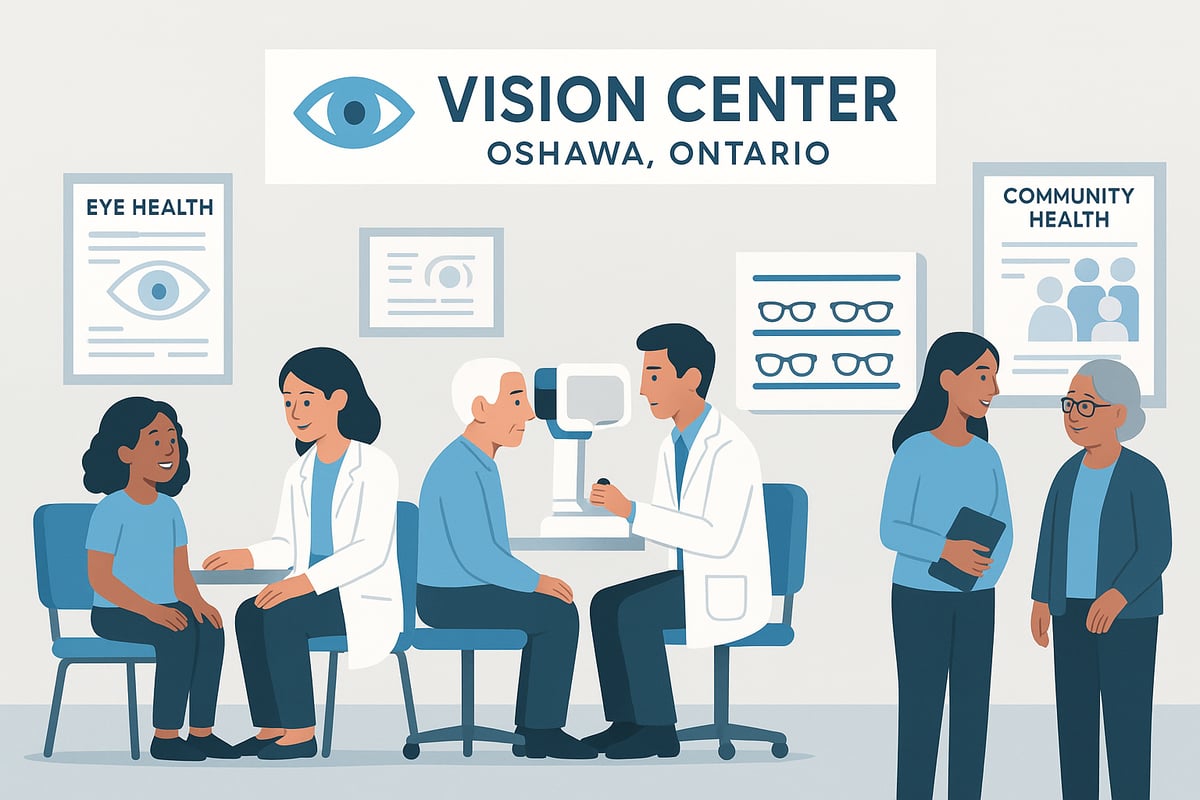
Ontario’s population is aging, leading to increased demand for vision center services focused on age-related eye conditions. More residents are affected by cataracts, glaucoma, and macular degeneration as they reach their senior years. At the same time, childhood myopia is rising, linked to greater screen time and digital device use.
According to Health Canada, vision impairment rates climb significantly with age, emphasizing the importance of early detection and regular checkups. A vision center plays a crucial role in ongoing management and preventive care for all age groups. Early identification of changes in vision can help manage conditions before they progress.
Integration of Technology in Eye Care
Modern vision center practices now incorporate advanced diagnostic imaging, such as optical coherence tomography (OCT) scans, to assess eye health in detail. Many clinics use tele-optometry and virtual consultations, allowing patients to receive expert guidance remotely. Digital record-keeping and secure patient portals streamline follow-up care and improve appointment efficiency.
The Ontario Association of Optometrists (OAO) provides guidance on safe and effective technology adoption. To learn how these technologies are transforming eye care in local clinics, visit How OCT Has Transformed Eye Care. A vision center equipped with such tools can offer more precise assessments, supporting proactive eye health management.
Vision Center Services: Beyond Eye Exams
A vision center is more than a place for routine eye exams. Comprehensive assessments are available for children, adults, and seniors. Contact lens fitting, eyewear selection, and customization are common services. Many clinics also screen for systemic conditions, such as diabetes, that can impact vision.
Specialized support is growing, with myopia management programs for children and dry eye treatments for adults. These expanded offerings allow a vision center to address the diverse needs of the community and provide tailored care for each patient.
Regulatory Framework and Coverage in Ontario
Vision center operations in Ontario are shaped by provincial regulations and public health coverage. OHIP covers routine eye exams for children (0-19), seniors (65+), and certain medical conditions. Anticipated updates for 2026 may affect eligibility or service frequency, so it is important to confirm coverage in advance.
For adults aged 20-64, private insurance often plays a key role in accessing vision center services. Clinics must comply with privacy laws and accessibility standards, following OAO and Health Canada guidelines. Patients can expect their information to be handled with care and appointments to be accessible.
Community and Preventive Health Initiatives
A vision center supports more than individual patients; it contributes to community well-being through education and outreach. Clinics frequently partner with schools to deliver children’s vision screening programs, helping identify issues early. Workplace vision programs and occupational testing ensure employee safety and productivity.
Preventive care initiatives, such as public awareness campaigns, have demonstrated a reduction in vision impairment rates. In Oshawa and the Durham region, local vision center teams often participate in these efforts, making eye health resources more accessible for everyone.
Step-by-Step Guide to Choosing a Vision Center in Ontario
Choosing the right vision center in Ontario can feel overwhelming, especially with the growing range of services and technologies available. This step-by-step guide will help you navigate your options, from assessing your needs to preparing for your first visit. Whether you live in Oshawa, Durham, or elsewhere in Ontario, understanding these steps ensures you receive the eye care that fits your unique situation.
Assessing Your Eye Care Needs
Start by understanding your personal and family eye health requirements. Some people only need routine exams, while others may benefit from specialized services, such as pediatric care or senior assessments. If you notice symptoms like sudden vision changes, eye pain, or flashes of light, seek urgent attention at a vision center.
Consider these factors:
- Age group (child, adult, senior)
- Family history of conditions like glaucoma or myopia
- Symptoms such as blurry vision or headaches
- History of diabetes or other systemic health issues
A quick checklist can clarify your needs:
- Do you wear glasses or contacts?
- Are you experiencing any new symptoms?
- Is there a family history of eye disease?
- Do you require occupational or school vision screening?
Researching Vision Centers: What to Look For
Once you know your needs, research local vision centers in Oshawa and Durham. Always verify that optometrists are licensed through the Ontario Association of Optometrists. Look for a vision center offering comprehensive services, from exams to eyewear fitting and advanced imaging.
Check for:
- Accessibility and parking options
- Availability of advanced technology like OCT scans
- Direct billing to insurance providers
- Flexible scheduling, including evenings or weekends
For a more detailed guide on evaluating your options, visit the Vision Care Center Near Me blog post. This resource outlines essential criteria for choosing a vision center that aligns with your needs and preferences.
Understanding Insurance and Payment Options
Understanding how to pay for your vision center visit is crucial. In Ontario, OHIP covers annual eye exams for children (0-19), seniors (65+), and adults with specific medical conditions. Most adults aged 20-64 require private insurance or pay out-of-pocket for routine exams and eyewear.
Here's a summary table:
| Age/Condition | OHIP Coverage | Private Insurance | Out-of-Pocket |
|---|---|---|---|
| 0-19 | Yes | Sometimes | Rare |
| 20-64 | No (unless medical) | Common | Common |
| 65+ | Yes | Sometimes | Rare |
Always confirm coverage with both your vision center and your insurer. Bring your insurance information to your appointment to streamline billing and avoid surprises.
Booking and Preparing for Your Appointment
Most vision centers offer online and phone booking options. When scheduling, provide your basic information, reason for visit, and any symptoms you have noticed. This helps the clinic tailor your appointment to your needs.
Prepare by gathering:
- Your health card and insurance details
- Current glasses or contact lenses
- List of medications and medical history
On the day of your visit, arrive early to complete any paperwork. Knowing what to expect can ease anxiety, especially for children or first-time visitors to a vision center.
Evaluating Patient-Centric Care
A quality vision center will prioritize patient-centric care. Look for clinics that offer personalized treatment plans based on your exam results and lifestyle. Staff should communicate clearly, explaining procedures and answering your questions.
Key indicators of supportive care:
- Customized recommendations for eyewear or treatment
- Follow-up protocols for ongoing management
- Accessibility features for patients with disabilities
- Educational materials to help you understand your eye health
A welcoming clinic environment helps ensure a positive experience for every patient.
Durham Vision Care: Comprehensive Eye Care in Oshawa
Durham Vision Care in Oshawa provides a broad range of services, including eye exams for both adults and children, advanced contact lens solutions, and dry eye management. This vision center uses advanced diagnostic technology like OCT scans, supporting early detection and effective management of various conditions.
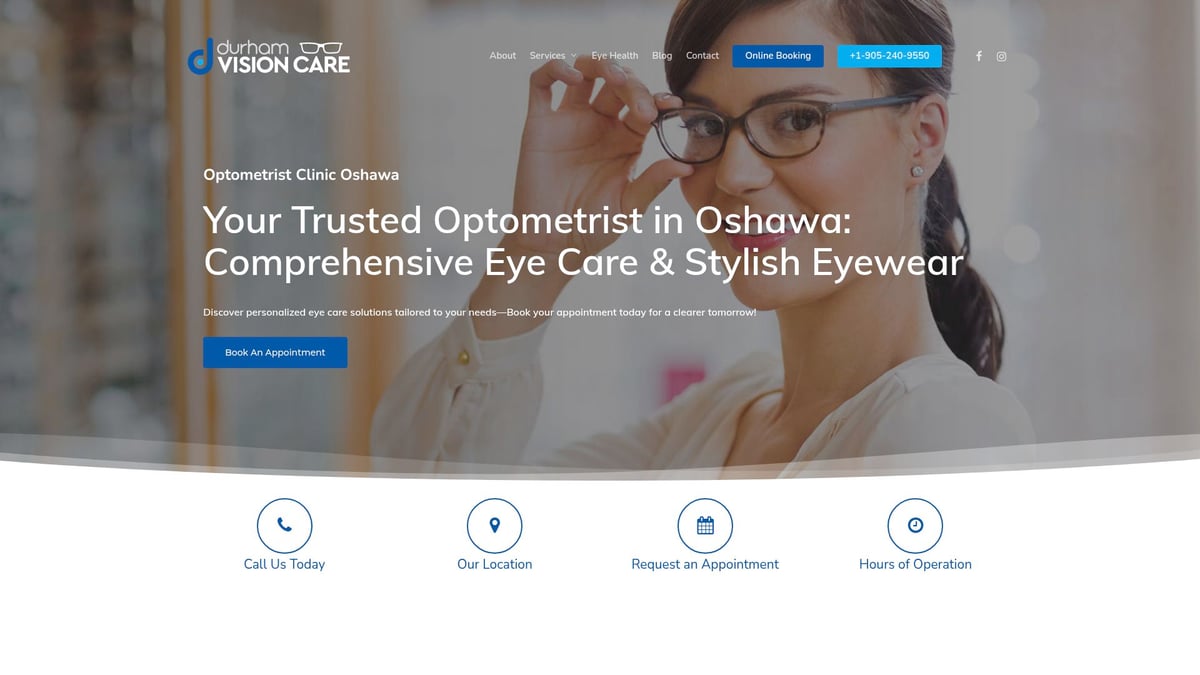
The clinic emphasizes individualized care, offering direct insurance billing and convenient online appointment booking. Durham Vision Care also engages in community outreach, making vision health resources accessible to families and individuals throughout Oshawa and Durham Region.
Essential Vision Center Services and What to Expect
Understanding what a vision center offers can help you make informed choices about your eye health. In Ontario, vision centers provide a wide range of essential services that go beyond basic eye exams. Here is what you can expect when you visit a vision center in Oshawa or the Durham region.
Comprehensive Eye Examinations
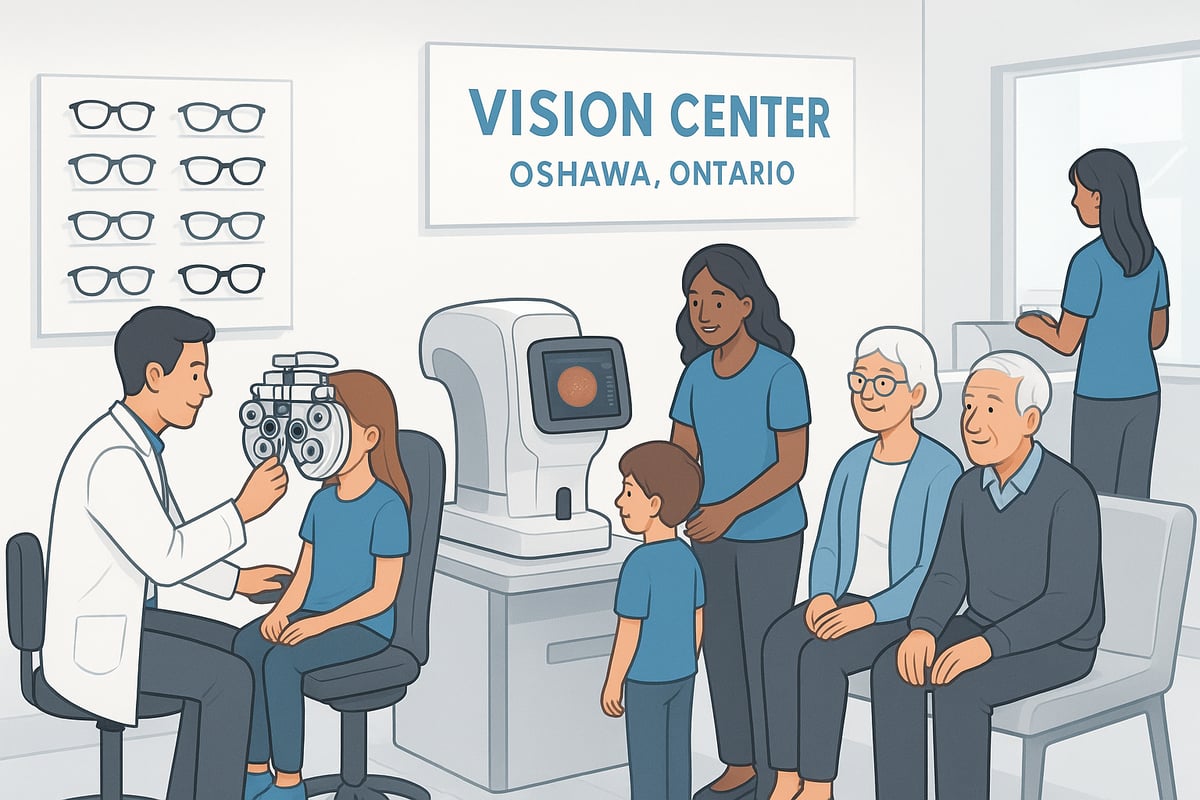
A vision center provides comprehensive eye exams for all age groups. These exams assess visual acuity, check for refractive errors, and screen for conditions such as glaucoma, cataracts, and diabetic retinopathy. The process typically includes a review of your health history, measurement of vision, and a detailed examination of eye health.
According to the Ontario Association of Optometrists, exam frequency depends on age and risk. Children and seniors should have annual exams, while adults may require less frequent visits unless risk factors are present.
During your visit, expect friendly staff to guide you through each step. Many centers follow guidelines set out by the OAO to ensure thorough care. To learn more about what to expect, see Comprehensive Eye Exams in Oshawa.
Advanced Diagnostic Testing
Modern vision centers use advanced diagnostic technology to support early detection and ongoing management of eye conditions. Optical coherence tomography (OCT), visual field testing, and retinal imaging are commonly available. These tools help identify issues like glaucoma or macular degeneration before symptoms appear.
Testing is recommended based on your age, health, and family history. Your vision center will explain why each test is needed and obtain your consent before proceeding. Privacy is protected under Ontario’s Personal Health Information Protection Act.
You can expect a clear explanation of results and how they guide your personalized care plan.
Eyewear and Contact Lens Solutions
A vision center offers a variety of eyewear options to meet your needs. Staff help you select frames that suit your style and fit comfortably. Prescription sunglasses and blue light filters are available for those who spend significant time outdoors or on digital devices.
Contact lens services include thorough assessments and fittings, with training for new wearers. Specialized lenses for myopia management, such as MiYOSMART, may be recommended for children.
Proper maintenance and care instructions are provided to help you protect your investment and maintain eye health.
Vision Correction and Management Options
Vision centers in Oshawa and Durham provide several correction and management options. These include prescription glasses, contact lenses, and referrals for procedures like LASIK when appropriate. For children and teens, myopia control treatments are available to manage progression.
Dry eye evaluation and treatment is another common service. If advanced care is required, your vision center collaborates with ophthalmologists to coordinate your treatment.
Personalized plans are developed to address your unique vision needs and lifestyle.
Specialized and Urgent Eye Care
Vision centers are equipped to handle specialized and urgent eye care situations. Emergency services are available for symptoms such as sudden vision loss, eye injury, or flashes of light. Visual fields testing may be required for driver’s licensing or workplace compliance.
Pediatric assessments are tailored for early detection of issues in children. Seniors benefit from support such as low vision aids and adaptive devices.
Some centers also run Vision at Work programs to ensure occupational vision safety and compliance.
Navigating Vision Care Regulations and Coverage in Ontario
Understanding regulations and coverage for vision center services in Ontario is essential for effective eye health management. Residents in Oshawa, Durham, and across the province must stay informed about public and private options, regulatory standards, and targeted programs for different age groups.

OHIP Coverage: Eligibility and Updates for 2026
Ontario’s Health Insurance Plan (OHIP) covers annual comprehensive eye exams for children aged 0 to 19, seniors aged 65 and older, and adults with specific medical conditions such as diabetes or glaucoma. Documentation, such as a valid health card and proof of medical eligibility, is required for coverage at a vision center.
Anticipated updates for 2026 may impact who qualifies and what services are included. For the most current details, see this clear guide on OHIP coverage. Confirm eligibility and required documents with your provider before booking an appointment at your chosen vision center.
Private Insurance and Out-of-Pocket Expenses
For adults aged 20 to 64, OHIP does not typically cover routine eye exams, so private insurance or direct payment is common. Most private plans cover a portion of vision center services, like eye exams, prescription glasses, or contact lenses. Check your policy for specifics, and ask the clinic if they offer direct billing.
Out-of-pocket costs vary by service type. To maximize your benefits, coordinate with your vision center staff and your insurer. Comparing coverage for different services, such as contact lens fittings, can help you make informed decisions before your appointment.
Regulatory Standards for Vision Centers
Every vision center in Ontario must meet strict regulatory standards. The Ontario Association of Optometrists (OAO) sets requirements for optometrist licensing, while Health Canada regulates diagnostic equipment and patient safety. Clinics must comply with the Personal Health Information Protection Act (PHIPA) for data privacy and the Accessibility for Ontarians with Disabilities Act (AODA) for accessible care.
Vision center staff are responsible for obtaining patient consent and providing clear education about recommended services. This ensures that care is both safe and transparent for all patients.
Children’s Vision Care: School and Community Programs
Children’s vision health is supported by mandatory school screening programs and community partnerships with vision centers. These initiatives help identify problems early, supporting students’ academic and social development. Accessing vision center services through school or community programs is often straightforward for families.
For more on the importance of early eye exams and health campaigns, visit Children’s Vision Health Month 2025. Your local vision center may also offer resources or participate in regional outreach.
Seniors’ Eye Health: Special Considerations
Seniors face higher risks for conditions such as macular degeneration, cataracts, and glaucoma. Regular monitoring at a vision center is crucial for early detection and management. OHIP supports annual eye exams for those 65 and over, and many clinics offer rehabilitation services and adaptive devices.
Community resources in Oshawa and Durham provide additional support, from educational seminars to low vision aids. Staying connected with your vision center ensures ongoing access to these important services.
Future Trends in Vision Center Services and Technology
Ontario’s vision center landscape is rapidly shifting as technology and community needs evolve. Understanding these trends helps residents make informed choices about their eye health in 2026. From digital consultations to community outreach, vision centers are adapting to support all age groups.
Digital Health and Tele-Optometry
Digital health tools are transforming how vision center services are delivered in Ontario. Virtual consultations, known as tele-optometry, allow patients to connect with optometrists remotely. This approach is especially valuable for rural or mobility-challenged patients.
The Ontario Association of Optometrists emphasizes the importance of secure, private digital care. Tele-optometry grew in popularity during pandemic periods, offering safe follow-up and triage for urgent eye concerns. According to the Canada Eyecare Report 2025, many Canadians still face barriers to accessing in-person eye care, making these digital options essential.
While tele-optometry increases access, it has limitations for complex cases. Vision centers continue to balance in-person and virtual care for comprehensive support.
Advances in Diagnostic and Imaging Tools
Vision center technology is advancing with new diagnostic and imaging tools. Optical coherence tomography (OCT), advanced retinal imaging, and visual field analysis are now common in Ontario clinics. Portable diagnostic devices enable both in-clinic and community-based screening.
These innovations support early detection and ongoing management of eye diseases like glaucoma and diabetic retinopathy. Adoption rates among vision centers are rising, as shown in the Eye Care Market Forecast Canada, reflecting growing investment in eye health infrastructure.
Patient privacy and data security remain critical. Clinics must follow Health Canada guidelines and obtain informed consent before using advanced imaging tools.
Personalized Vision Correction Solutions
Vision center services now emphasize personalized vision correction. Custom lens design uses individual eye measurements to optimize fit and prescription. Adaptive eyewear, including prescription sunglasses and blue light filters, helps patients who spend long hours on digital devices.
Contact lens technology has evolved, with new materials that improve comfort and manage conditions like myopia in children. Vision centers offer innovative solutions, such as specialty lenses for myopia management and coatings that reduce eye strain.
These options ensure every patient receives tailored care, supporting both immediate and long-term vision needs.
Preventive and Community-Based Eye Health
Preventive care is a growing focus for every vision center. Public education campaigns inform residents about the importance of regular eye exams and early detection. Community screenings, often held in schools and workplaces, catch vision issues before they progress.
Clinics collaborate with schools for children’s vision screening and provide mobile services to underserved populations in Oshawa and Durham. Data from recent reports show that increased preventive care can reduce rates of preventable vision loss.
By participating in outreach programs, vision centers help ensure all community members have access to essential eye health services.
Preparing for Your Vision Health in 2026
As 2026 approaches, regular engagement with your vision center remains a key part of health planning. Residents should maintain routine eye exams, stay informed about changes in available services, and ask about emerging technologies.
A simple checklist includes:
- Scheduling annual or biennial eye exams
- Discussing personalized correction options
- Reviewing insurance or OHIP updates
- Advocating for family eye health
Trusted resources, such as the Ontario Association of Optometrists and Health Canada, offer ongoing education. Take proactive steps by connecting with your local vision center to support lifelong eye health.
As you look ahead to 2026, taking charge of your vision health is more important than ever. With advances in technology, expanded services for every age, and updated regulations in Ontario, finding the right vision center can make all the difference for you and your family. At Durham Vision Care, you’ll receive comprehensive, personalized eye care—from thorough exams to the latest in contact lens solutions and eyewear. If you’re ready to experience patient-focused care that puts your needs first and supports your long-term eye health, I encourage you to Book an Appointment today.







Recent Comments