


Eye exams have a way of drifting down the to-do list. Most of us don’t think about booking one until road signs start looking fuzzy or our glasses stop feeling right.
The right timing depends a lot on your age, and your health history can move it up. For most healthy adults, an eye exam every 1 to 2 years works well, and kids and adults over 65 should come in once a year. Our optometrists get to know your eyes and your routine, then build a schedule around them using the full range of our eye care services.
Eye Exam Schedules by Age
Your eyes change a lot over a lifetime. Here’s how often we recommend coming in at each stage.
Babies, Kids, and Teens
Babies can have their first eye exam between 6 and 9 months old, which surprises plenty of parents. After that, plan at least 1 exam between ages 2 and 5, then yearly visits from 6 to 19. OHIP covers an annual children’s eye exam for kids 19 and under.
Kids’ eyes can change quickly during the school years. A prescription that worked in September might not fit by spring.
Adults 20 to 64
If your eyes are healthy and comfortable, every 2 years is usually enough.
Plenty of people start noticing presbyopia in their 40s. It’s the gradual loss of close-up focus that makes menus and phone screens harder to read. Once it starts, a yearly visit can help you keep your prescription up to date.
Adults 65+
Plan on a yearly exam once you turn 65, which OHIP covers at this age too. Age-related eye conditions like cataracts and macular degeneration can develop slowly. A yearly visit gives your optometrist a chance to spot them early, when you may have more ways to manage them.
An adult eye exam usually takes 30 to 45 minutes.
When You May Need Exams More Often
Some people benefit from more frequent visits. Your optometrist may recommend yearly or more frequent exams if any of these apply to you:
- You wear glasses or contact lenses
- You have diabetes
- You have high blood pressure
- Eye disease, such as glaucoma, runs in your family
If you have diabetes, book an exam when you’re first diagnosed and every year after that. Diabetic retinopathy damages the tiny blood vessels in the retina and may not cause symptoms at first.
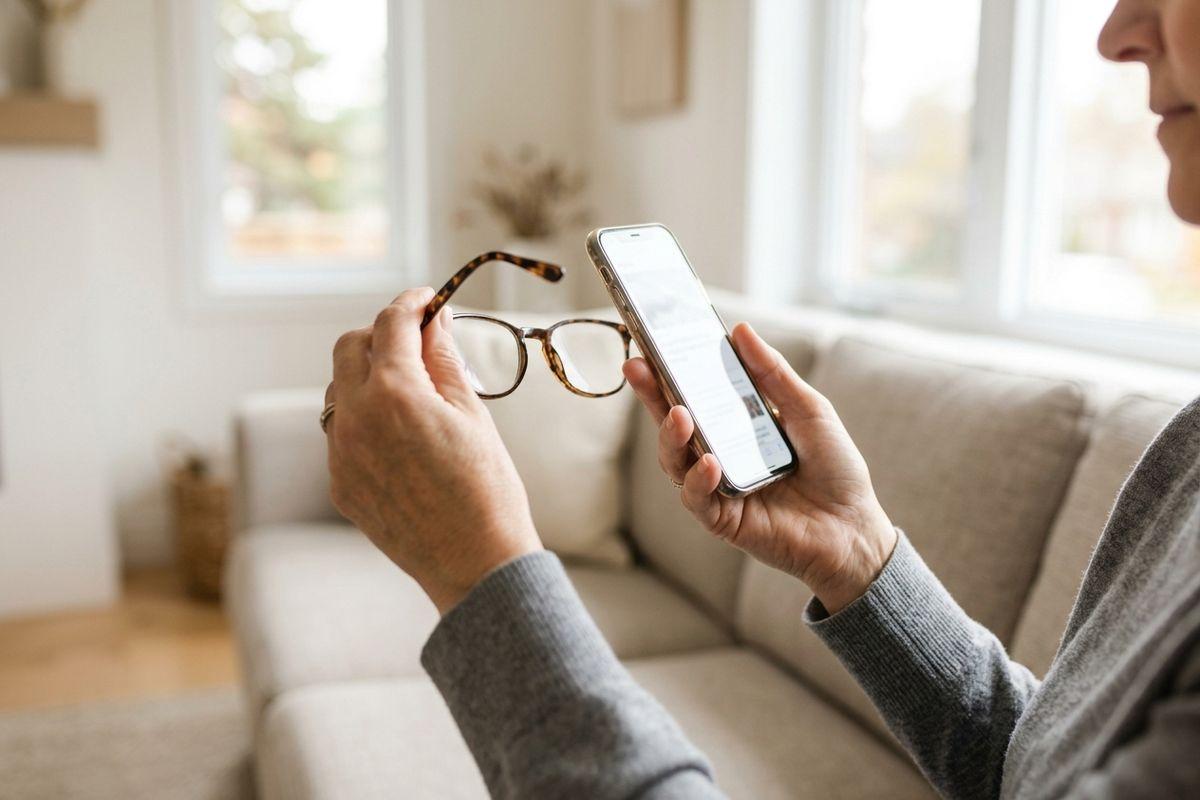
Signs You Shouldn’t Wait for Your Next Visit
Your eyes usually let you know when something’s off, though it’s easy to brush the early signs aside. Book a visit if you notice any of these:
- Road signs look blurry from a distance
- Small print looks blurry up close
- You get headaches often
- Your eyes feel tired by mid-afternoon
- Your glasses don’t feel right anymore
Give us a call, even if your last exam was recent. It’s also time to come in if your prescription has expired, which in Canada usually happens within 2 years. Sudden vision changes or an eye injury need urgent eye care the same day.
Why Some Eye Problems Show No Signs
Glaucoma and other conditions can begin quietly, with no pain and no obvious change in how you see. That’s the reason regular exams matter even when everything feels fine, because they can catch small changes early rather than years later.
What Happens During a Comprehensive Eye Exam
Every visit starts with a conversation. We’ll ask about your health history and how you use your eyes day to day, whether you spend long hours on a laptop or like to read in dim light before bed. If you spend most of your day on computer screens, we can walk you through ways to reduce digital eye strain.
Next, we’ll do vision testing and check your current prescription. Your optometrist may also measure the pressure inside your eyes, which can help screen for glaucoma. We’ll also take images of the inside of your eyes. You’ll see them yourself, and we’ll explain what they show in plain language.
How to Prepare for Your Eye Exam
Bring your current glasses or contacts, plus the lens box or brand name if you have it. A few other details can help us understand your eyes:
- A list of any medications you take
- Notes on vision changes you’ve noticed
- Hobbies or work that involve close detail
Getting Your Eye Exams Back on Schedule
Regular exams give you a record of how your eyes change over time, which can help your optometrist act early when something needs attention.
At Durham Vision Care, we’ll look at when your eyes were last checked and what’s changed in your health since then. Book your comprehensive eye exam, and you can leave knowing when to come back for your next one.