
Vision health is at the forefront of wellness in 2026, impacting how people learn, work, and connect every day. This guide explores the center for vision health, offering a trusted resource for expert eye care across Ontario.
Here, you will discover what services are available, the latest advances in eye care, practical steps to maintain healthy vision, and how to access care in your community. The center for vision health encourages everyone to prioritize regular eye exams, as early detection and prevention remain key to lifelong visual well-being.
Take the first step toward clearer vision and learn how to protect your sight for years to come.
The Role of the Center for Vision Health in Ontario
The center for vision health plays a vital role in safeguarding and enhancing the eye health of Ontario residents. Its mission is to improve access to comprehensive, high-quality eye care for all ages, focusing on both prevention and management of eye conditions. As vision health becomes an increasing priority in 2026, the center for vision health stands at the forefront of coordinated eye care delivery throughout the province.
Mission and Collaborative Approach
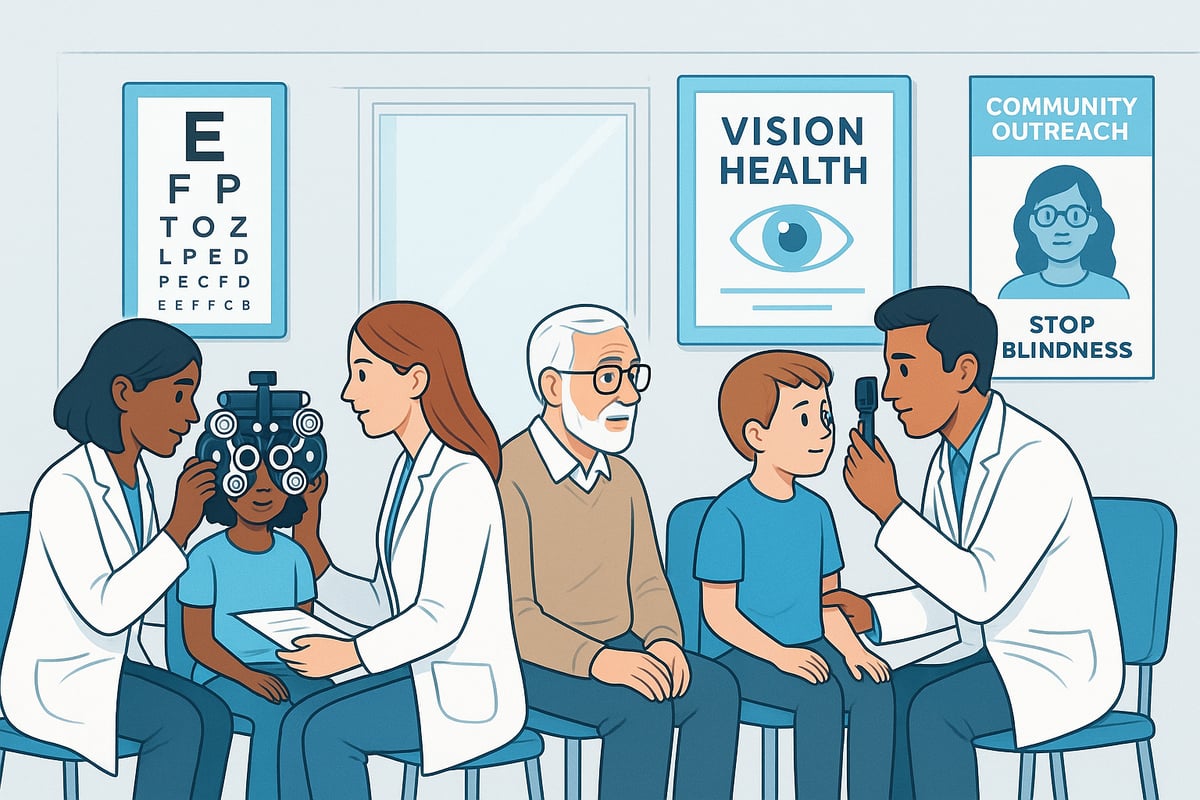
The center for vision health collaborates with public health agencies, optometrists, ophthalmologists, and community organizations to ensure patients receive timely, coordinated care. These partnerships help streamline referrals, share data, and deliver consistent messages about the importance of routine eye exams and early detection. By working closely with groups like the Ontario Association of Optometrists (OAO), the center for vision health promotes best practices and extends its reach across urban and rural communities.
Populations Served and Focus on Prevention
A wide range of patient groups benefit from the center for vision health, including children, seniors, and individuals with chronic eye conditions such as diabetes or glaucoma. Early intervention is especially critical for children, as vision development directly affects learning and quality of life. For seniors, managing age-related conditions like cataracts and macular degeneration helps maintain their independence. The center for vision health emphasizes preventive care and early detection to reduce the risk of permanent vision loss.
Accessibility and Community Outreach
Improving accessibility is a core value for the center for vision health. With multiple physical locations across Ontario, the center also offers telehealth services for those in remote or underserved areas. Community outreach programs, such as mobile clinics and public education events, bring essential vision screenings closer to where people live and work. For example, partnerships with local schools allow the center for vision health to provide routine vision screenings for children, supporting early identification and intervention for issues like myopia.
Data and Impact in Ontario
According to Health Canada and the Ontario Association of Optometrists, approximately 1 in 7 Ontarians experience some form of vision impairment during their lives. Early identification and coordinated care can significantly reduce the burden of preventable vision loss. Below is a summary of key statistics:
| Population Group | Prevalence of Vision Impairment (%) |
|---|---|
| Children (0-19) | 5 |
| Adults (20-64) | 8 |
| Seniors (65+) | 18 |
Centralized Vision Care: Supporting Better Outcomes
Centralized coordination through the center for vision health ensures that patients receive consistent follow-up, ongoing management, and access to the right specialists when needed. This approach helps reduce unnecessary vision loss by catching problems earlier and connecting individuals to resources such as low-vision aids or rehabilitation programs. By integrating services, the center for vision health helps streamline patient journeys and supports the overall eye health of Ontario’s diverse population.
Comprehensive Eye Care Services in 2026
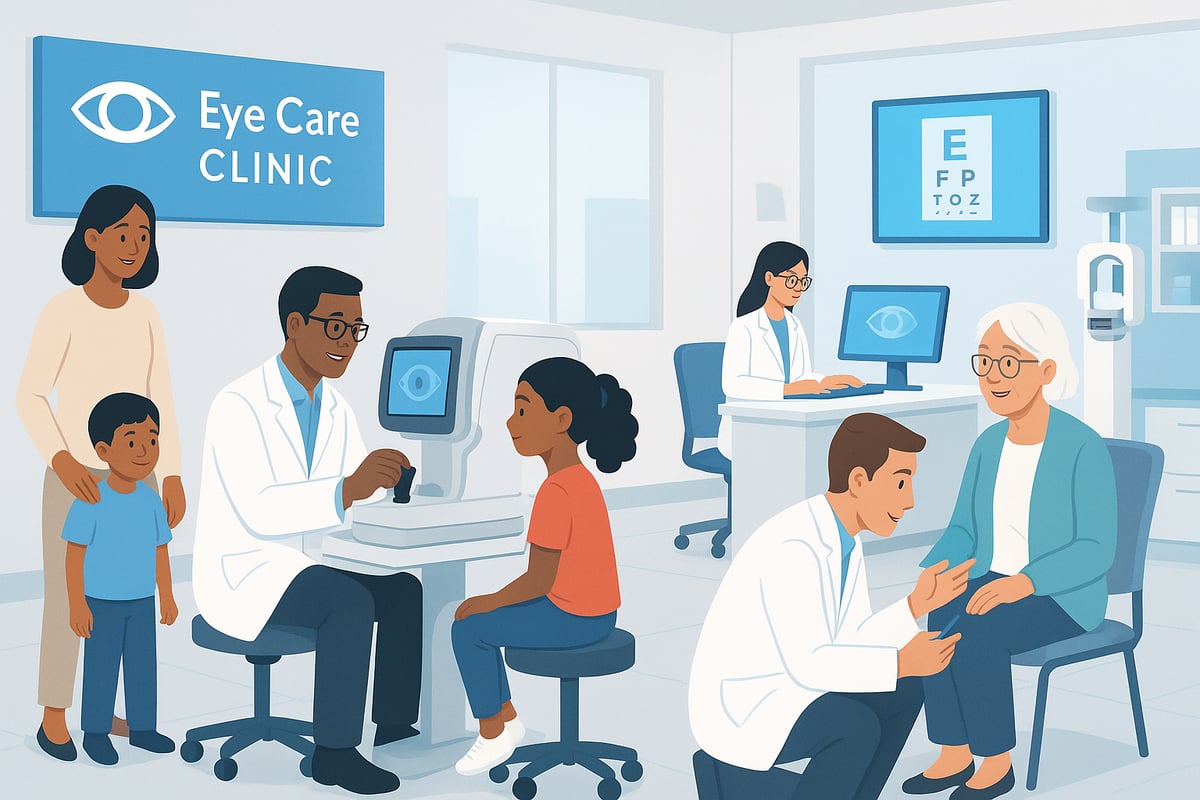
Vision health is a lifelong journey, and the center for vision health provides a comprehensive suite of services to help Ontarians protect their eyesight at every stage of life. In 2026, residents in Oshawa and Durham have access to preventive exams, tailored management plans, pediatric programs, senior support, and advanced diagnostic technology. Each service is designed to promote early detection, effective management, and ongoing education.
Preventive Eye Exams for All Ages
Preventive eye exams are essential for maintaining healthy vision at every age. The center for vision health emphasizes routine assessments for children, adults, and seniors to catch issues before they progress.
In Ontario, the Ontario Health Insurance Plan (OHIP) covers annual comprehensive eye exams for individuals aged 0 to 19 and 65 and older. These exams typically assess visual acuity, eye coordination, and overall eye health, using tools like retinoscopy and tonometry.
For children, early detection of conditions such as myopia can help manage progression and support learning in school. Adults benefit from regular screenings to identify changes in vision or emerging health problems. Seniors are monitored for age-related changes and chronic eye diseases.
Preventive care at the center for vision health can include education on visual hygiene and advice for maintaining healthy habits. Regular exams provide a critical foundation for long-term eye health and can help reduce the risk of severe complications.
Management of Common Eye Conditions
The center for vision health offers specialized management for a range of common eye conditions, including dry eye, myopia, diabetic retinopathy, glaucoma, and cataracts. Each condition is evaluated using advanced diagnostic tools, such as Optical Coherence Tomography (OCT), which provide detailed images of eye structures.
Treatment plans are tailored to the individual’s needs, often combining lifestyle recommendations, prescription lenses, and medical therapies. For example, myopia management programs for school-aged children may involve specially designed lenses or monitoring routines.
Early intervention is key in limiting complications from chronic conditions. The center for vision health works closely with other healthcare providers to ensure coordinated care, especially for patients with diabetes or those at risk for glaucoma.
For a deeper understanding of these services, you can refer to this Comprehensive Eye Care Guide.
Pediatric Vision Care Initiatives
Children’s vision development is a major focus at the center for vision health. Specialized exams and programs are designed to detect and address problems early, supporting learning and social development.
The center partners with local schools to provide vision screenings, ensuring that children who need further care are identified promptly. School-based initiatives help catch conditions like amblyopia and myopia before they impact academic performance.
Myopia control lens options, such as specially designed glasses, are part of the pediatric care toolkit. Early intervention can help manage progression and improve quality of life for young patients.
Senior Vision Health and Age-Related Conditions
Supporting seniors is a core mission for the center for vision health. Programs target common age-related conditions, including macular degeneration, cataracts, and glaucoma.
Seniors benefit from regular monitoring and coordination with primary care providers. The center offers services to help maintain independence, such as mobility aids, vision rehabilitation, and referrals to community resources.
Education on medication management, environmental safety, and regular follow-up helps seniors stay engaged and informed about their eye health. These efforts are vital in preserving quality of life as people age.
Advanced Diagnostic Technology in Practice
The center for vision health integrates advanced imaging and diagnostic technology into everyday practice. Tools like OCT, digital retinal photography, and visual field testing enable early detection of serious eye diseases.
These technologies support more accurate assessments and allow for better tracking of changes in eye health over time. Diagnostic results are securely stored in digital patient records, making it easier to coordinate care and offer telemedicine consultations when needed.
By combining technology with a patient-centered approach, the center for vision health ensures residents in Ontario have access to thorough, up-to-date eye care.
Steps to Accessing Expert Eye Care in Ontario
Accessing quality vision care is a vital step for everyone in Ontario. The center for vision health aims to guide you through each stage, from understanding your coverage to finding the right support programs. Here’s how you can take action for healthier eyes.
Understanding Eligibility and OHIP Coverage
The center for vision health recognizes that navigating health coverage is a crucial first step. In Ontario, the Ontario Health Insurance Plan (OHIP) covers one comprehensive eye exam annually for those aged 0 to 19 and 65 and older. Individuals with specific medical conditions, such as diabetes, glaucoma, or retinal diseases, may also qualify for annual coverage.
Covered services include assessments for visual acuity, eye coordination, and early signs of disease. However, routine exams for adults aged 20 to 64, unless meeting medical criteria, are not included. Many people in this age group rely on private insurance or pay out of pocket for routine exams.
If you are unsure about your eligibility or what your plan covers, detailed information is available through the Ontario Health Insurance Plan (OHIP) coverage for eye care. Reviewing your private insurance options can also help fill any gaps, ensuring you receive the full benefits of the center for vision health.
Booking and Preparing for Your Eye Exam
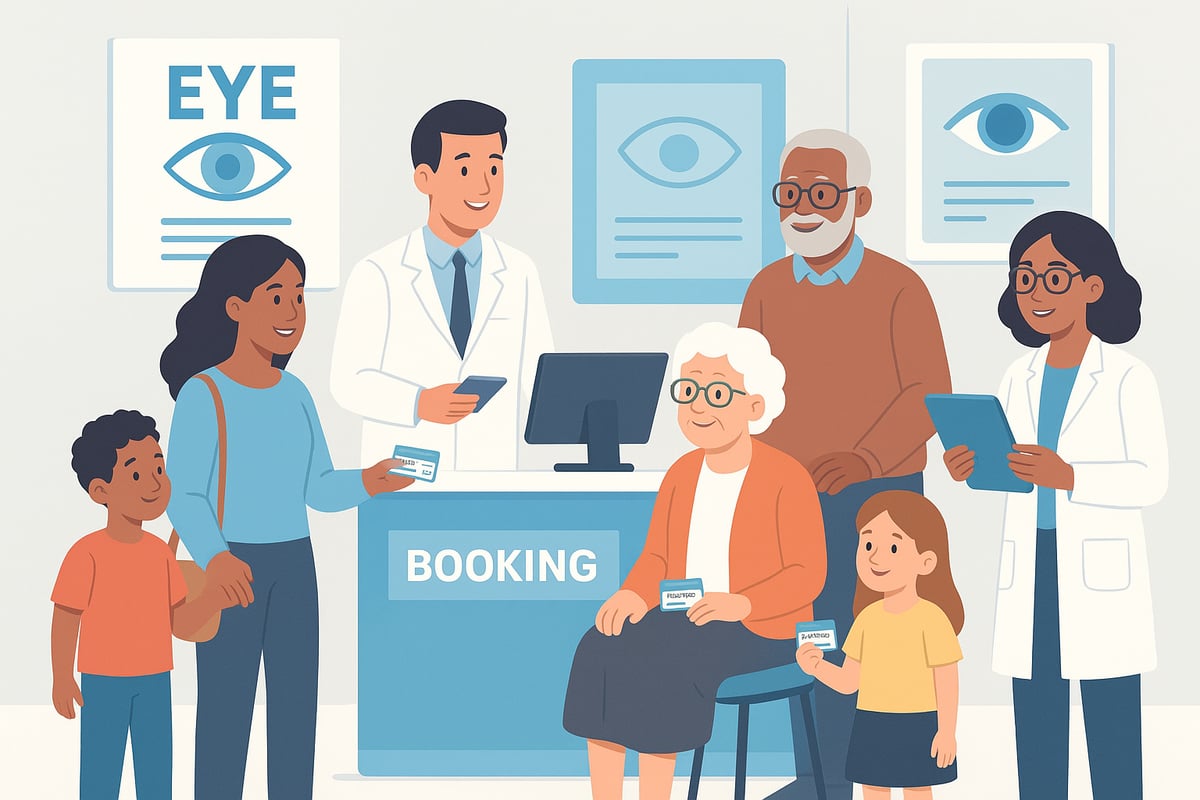
Once you have determined your coverage, the next step is to book an appointment at the center for vision health. You can find providers through online directories, referrals from your family doctor, or by contacting local clinics directly. Many locations offer convenient online booking and phone scheduling.
To prepare for your visit, remember to bring:
- Your Ontario health card
- A list of current medications
- Any previous prescription eyewear
For children, prepare them by explaining what to expect and ensuring they are well rested. For seniors, bring a family member if needed and list any concerns about vision changes. The center for vision health values preparation, as it helps your exam go smoothly and ensures all your needs are addressed.
Navigating Referrals and Specialist Care
Sometimes, your eye exam at the center for vision health may reveal the need for specialist care. Referrals to ophthalmologists or subspecialists are made when advanced diagnostics or treatments are required. This often happens for conditions like diabetic retinopathy, glaucoma, or unexplained vision loss.
Coordination between optometrists, family doctors, and specialists is a key part of the process. For example, if diabetic retinopathy is detected, your optometrist will refer you to a retinal specialist, and your care plan will involve both your primary provider and the specialist. The center for vision health manages referrals efficiently, so patients receive timely, coordinated care.
Community Resources and Support Programs
The center for vision health also connects patients to a range of community resources. These include low-vision aids, rehabilitation services, and support groups designed for people experiencing vision changes or loss.
Community-based programs offer workshops, mobility training, and peer support. Vision loss rehabilitation services in Ontario help individuals adapt to daily tasks, supporting independence and quality of life. By tapping into these resources, you can make the most of the support available through the center for vision health.
Innovations in Vision Health: 2026 and Beyond
Innovations in vision health are shaping how Ontarians access and manage their eye care. The center for vision health leads the charge with new methods, tools, and approaches that make expert care more accessible and personalized. These advances support prevention, early intervention, and better long-term outcomes for patients across Ontario.
Teleoptometry and Virtual Consultations
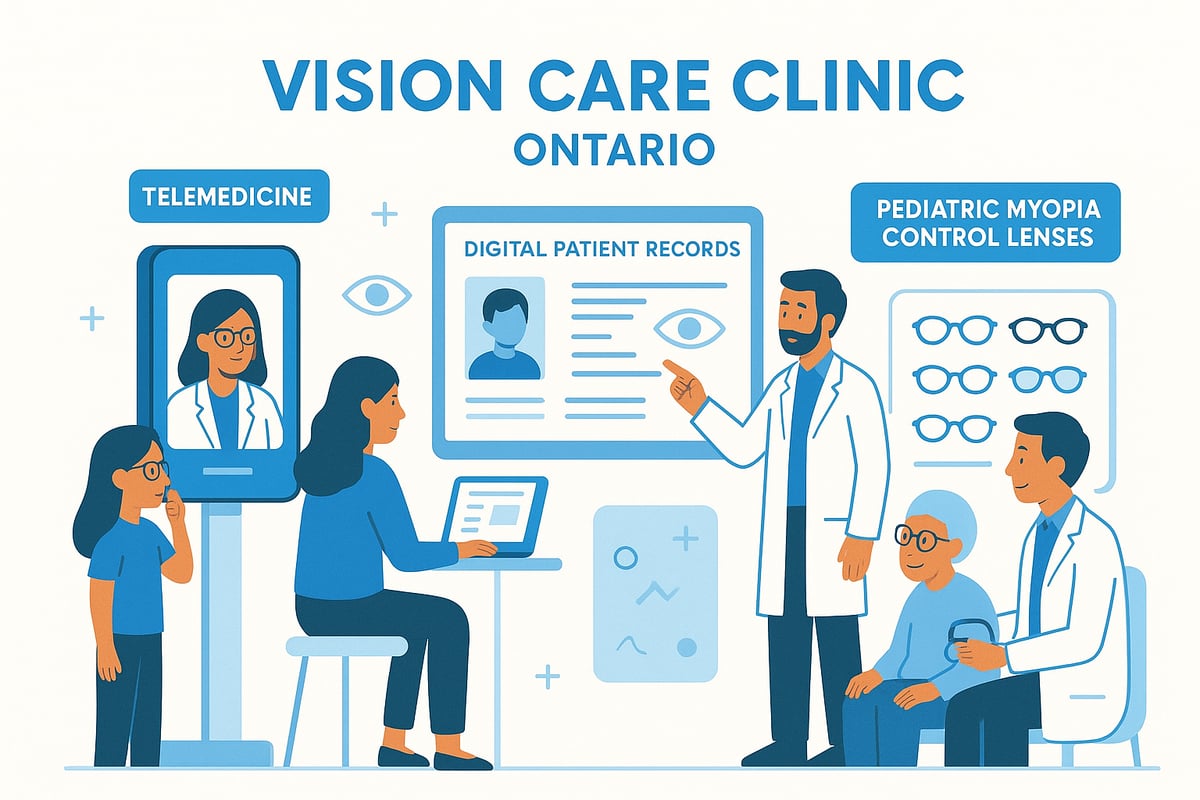
Teleoptometry is transforming how the center for vision health delivers care in Ontario. This technology enables patients, especially those in rural or remote communities, to connect with optometrists through secure video platforms.
Benefits include:
- Convenient access to expert consultations without travel
- Faster follow-up appointments for ongoing management
- Immediate triage for urgent eye issues
Virtual consultations support the center for vision health in reducing barriers to care. These appointments are integrated with patient records, so providers can review history and images in real time. Teleoptometry complements in-person visits, making eye care more flexible and responsive.
Advances in Myopia Control and Pediatric Care
The center for vision health prioritizes early intervention for children experiencing myopia. Innovative lens technologies and evidence-based management programs are now widely available in Ontario clinics.
One significant advancement is the use of MiYOSMART lenses, which are designed to help slow the progression of myopia in children. These specialized lenses are part of coordinated pediatric care initiatives. To learn more about these options and how they support healthy vision development, visit Myopia Control and Pediatric Eye Care.
By integrating these solutions, the center for vision health helps families access tailored care plans that address each child's unique needs. Ongoing research continues to guide best practices in pediatric vision management.
Personalized Eye Care Plans and Digital Health Records
Personalized care is at the core of the center for vision health’s approach. Digital health records allow providers to track changes in vision, monitor risk factors, and document treatment plans over time.
Key features include:
- Secure access to personal vision history
- Customized care plans based on age, medical history, and lifestyle
- Patient portals for appointment scheduling and data review
Patients can actively participate in their care by accessing their digital records. This improves communication and helps the center for vision health deliver more targeted support for each individual.
Collaboration with Community and Public Health Initiatives
The center for vision health works closely with public health agencies, schools, and community organizations to promote preventive eye care. Joint campaigns raise awareness about vision screenings, healthy habits, and the importance of early detection.
Examples include:
- School-based screening initiatives
- Public information sessions on eye health
- Distribution of educational resources in multiple languages
By collaborating with partners, the center for vision health extends its reach and ensures more Ontarians benefit from timely vision care and education.
Research and Future Developments in Ontario
Ongoing research at the center for vision health is shaping the future of eye care in Ontario. Studies focus on new diagnostic methods, emerging treatments, and ways to improve access for diverse populations.
These efforts guide the creation of evidence-based guidelines for clinicians and inform public health strategies. The center for vision health remains committed to supporting innovation that addresses current challenges and anticipates future needs in vision health.
Eye Health Education and Preventive Strategies
Maintaining healthy vision in Ontario requires education, prevention, and community involvement. The center for vision health prioritizes teaching residents how to care for their eyes from childhood through adulthood. By focusing on practical strategies, schools, workplaces, and local organizations can help everyone reduce risks and recognize problems early.
Promoting Eye Health in Schools and Workplaces
Early education is essential to the mission of the center for vision health. Schools across Ontario participate in vision screening programs to identify issues before they affect learning. For example, the Eye See…Eye Learn® program offers free eye exams and glasses to kindergarten children, ensuring early detection and support.
In workplaces, the center for vision health collaborates with employers to share tips on reducing digital eye strain and promoting regular eye exams. Simple steps, like taking breaks from screens and adjusting lighting, can make a significant difference. Educating staff and students creates a foundation for lifelong eye health.
Nutrition, Lifestyle, and Environmental Factors
The center for vision health highlights how daily habits impact long-term vision. Eating a balanced diet rich in leafy greens, carrots, and omega-3 fatty acids supports eye health. Wearing sunglasses with UV protection helps prevent damage from sunlight, which is especially important during Ontario summers.
Limiting screen time and practicing the 20-20-20 rule—every 20 minutes, look at something 20 feet away for 20 seconds—can reduce digital strain. The center for vision health advises families to create routines that include outdoor play and regular hydration. Environmental choices shape vision outcomes for all ages.
Recognizing Signs of Vision Problems
Knowing when to seek help is a core message from the center for vision health. Common symptoms include blurred vision, frequent headaches, squinting, or eye discomfort. In children, watch for difficulty reading or holding books close to the face. Seniors may notice changes in night vision or increased sensitivity to glare.
If any of these signs appear, book an eye exam promptly. The center for vision health recommends regular screenings to catch issues early. Awareness of symptoms helps families address problems before they progress, supporting overall well-being across Ontario communities.
Community Outreach and Public Awareness
The center for vision health extends its reach through public campaigns and partnerships with organizations like the CNIB Foundation. These efforts provide residents with educational materials, workshops, and access to vision loss rehabilitation services. Community events raise awareness about prevention and available resources.
Residents can attend local seminars or access online guides to learn more about eye health. The center for vision health also supports outreach to seniors and vulnerable groups, ensuring everyone has the information needed for proactive care. Strong community involvement empowers individuals to protect their vision for years to come.
Choosing the Right Eye Care Provider in Ontario
Choosing the right eye care provider is essential for maintaining lifelong vision health. The center for vision health in Ontario offers a coordinated approach that helps patients navigate options and select the most appropriate professional for their needs. Understanding the distinctions among providers, clinic features, and ongoing care requirements can empower you to make informed decisions.
Types of Eye Care Professionals: Optometrist, Ophthalmologist, Optician
Ontario's center for vision health works with three main types of eye care professionals. Optometrists conduct routine eye exams, prescribe glasses or contact lenses, and manage many eye conditions. Ophthalmologists are medical doctors who diagnose and treat complex eye diseases, perform surgeries, and provide specialized care. Opticians focus on fitting and dispensing eyewear as prescribed by optometrists or ophthalmologists.
Here is a quick comparison:
| Professional | Main Role | Training |
|---|---|---|
| Optometrist | Eye exams, vision correction, manage common conditions | Doctor of Optometry |
| Ophthalmologist | Medical and surgical eye care | Medical Doctor (MD) |
| Optician | Eyewear fitting and adjustments | College diploma/cert. |
The center for vision health ensures patients are referred to the right professional at the right time, supporting comprehensive care.
Factors to Consider When Selecting a Clinic
Selecting a clinic involves more than just location. The center for vision health recommends evaluating several factors:
- Accessibility for all ages and mobility levels
- Range of services offered, including preventive, pediatric, and senior care
- Use of advanced diagnostic technology
- Patient-centered approach and clear communication
A clinic’s integration with digital records and telehealth options can also enhance convenience. The center for vision health emphasizes choosing providers who offer coordinated care, making it easier for patients to access specialists and support services when needed.
Questions to Ask Before Your Appointment
Before visiting the center for vision health or any clinic, prepare a list of questions to clarify your care pathway:
- What services are available for my age group or condition?
- Is my visit covered by OHIP or do I need private insurance?
- How are follow-up appointments and referrals managed?
- What diagnostic technologies are in use?
For more details on what is covered, see this OHIP Coverage for Eye Exams resource. Being proactive with questions helps you advocate for your own care and understand the process at the center for vision health.
Ensuring Ongoing Care and Follow-Up
Ongoing care is vital for protecting vision at every life stage. The center for vision health encourages patients to schedule regular check-ups based on age and risk factors. Seniors and those with chronic conditions require special attention, and clinics often coordinate with community programs to support these needs.
Track appointments using digital reminders, and keep a record of treatments or changes in vision. For older adults, specialized programs such as Vision Care for Seniors can help maintain independence and quality of life through tailored support. The center for vision health remains a key resource for ongoing management and timely follow-up.
Taking charge of your vision health is one of the best investments you can make for yourself and your family. We’ve explored how regular eye exams, early detection, and personalized care can truly safeguard your sight—whether you’re managing myopia in your child or staying ahead of age related changes. At Durham Vision Care, you’ll find a team dedicated to clear communication, advanced technology, and patient focused solutions in Oshawa. If you’re ready to take the next step toward healthy eyes in 2026 and beyond, you can easily Book an Appointment with us today.




Recent Comments